Wat Chalermprakiat and the Cultural Landscape of Northern Thailand
Wat Chalermprakiat and the Cultural Landscape of Northern Thailand
A thoughtful Lampang visit combining temple heritage, practical planning, and respectful exploration beyond Chiang Mai
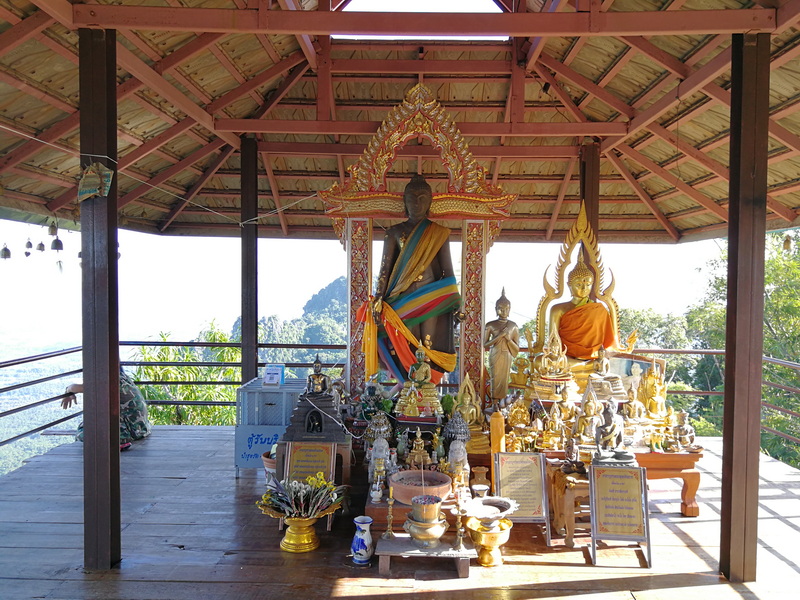
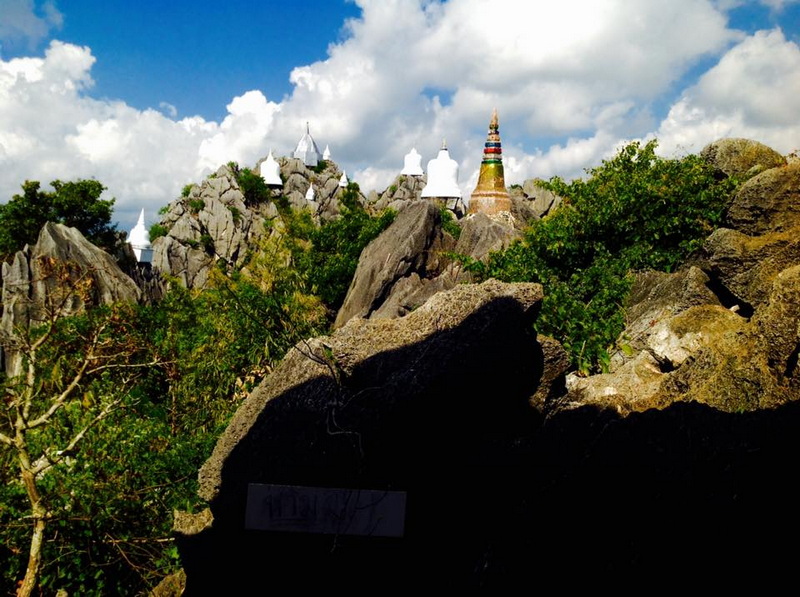
In Chae Hom District, Lampang, a forested mountain landscape rises into one of the most distinctive sacred sites in northern Thailand. Wat Chalermprakiat, formally known as Wat Chaloem Phra Kiat Phrachomklao Rachanusorn, is recognized for its small white pagodas and Buddha images arranged across high limestone pinnacles. Seen from below, the structures appear to rest lightly among the clouds, although the impression comes from the dramatic terrain and careful construction rather than anything mysterious or artificial. The temple is especially meaningful for travelers who want to place a memorable view within a cultural setting. It is not simply a viewpoint or a photograph stop. The site is an active Buddhist place where visitors should move quietly, dress appropriately, and understand that worship and local religious life come before sightseeing. This guide considers why the Chaloem Phra Kiat Temple is often included in discussions of the Top Temples In Northern Thailand, how it can fit into a broader Lampang or Chiang Mai itinerary, and which nearby learning experiences complement a visit. Travelers researching Chiang Mai Tour Packages may find the temple mentioned as an out-of-town excursion rather than as a central Chiang Mai attraction. That distinction matters: the visit requires thoughtful regional planning, but it can offer a richer perspective on northern Thai landscapes, craftsmanship, faith, and community life.
A Mountain Temple with a Distinctive Identity
The full name, Wat Chaloem Phra Kiat Phrachomklao Rachanusorn, reflects the commemorative character of the temple. It is associated with the memory of King Mongkut, Rama IV, and is commonly described as a modern religious and cultural landmark in Lampang rather than an ancient temple complex comparable to some of Thailand’s best-known historic sites. Its prominence comes from the relationship between architecture, devotion, and the mountain environment.
The visible pagodas are distributed on separate rocky summits above the main temple area. Their bright white surfaces contrast with green hills and open sky, creating the site’s familiar visual character. The arrangement also encourages visitors to look beyond a single building. From the lower grounds, the temple is understood as a connected landscape of paths, forest, rock, shrines, and elevated structures.
A visit therefore rewards patience. The most memorable part may be the gradual change from road to hillside, followed by the sight of pagodas emerging between trees and ridges. Weather can alter the experience considerably. Clear conditions reveal layers of northern terrain, while mist and cloud can make the setting feel quieter and more enclosed. Neither condition should be treated as a guarantee; the mountain environment is part of the uncertainty and beauty of the visit.
Why It Belongs in a Northern Temple Conversation
The phrase Top Temples In Northern Thailand can refer to many different kinds of places. Chiang Mai’s historic temples may be valued for Lanna architecture, old city connections, and long-established religious traditions. Lampang offers another perspective, with temples and cultural sites shaped by local history, regional craftsmanship, and quieter provincial surroundings. Wat Chalermprakiat Lampang stands apart because its setting makes the mountain itself central to the visitor’s understanding.
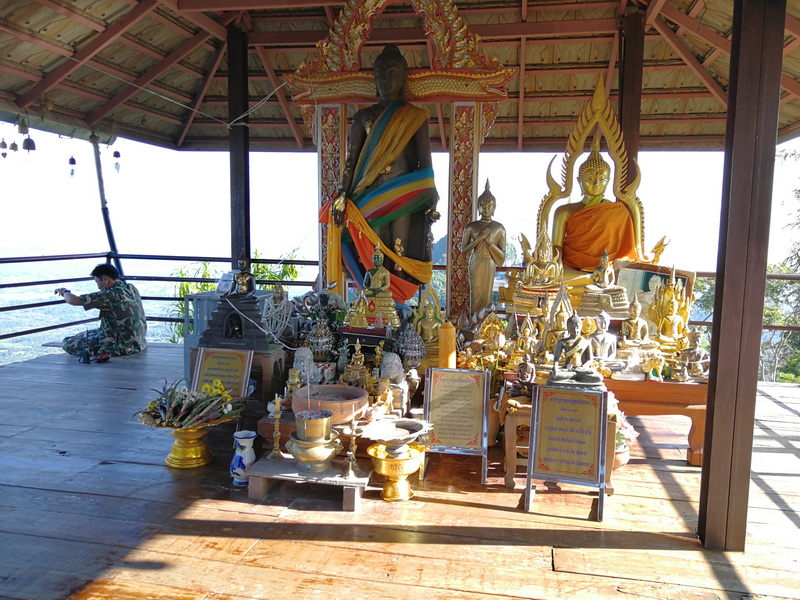
Its importance should not be reduced to visual drama. The site demonstrates how contemporary religious patronage and construction can create a place that becomes meaningful within a living community. The pagodas, images, and worship spaces invite reflection on merit-making, remembrance, and the continuing role of Buddhist sites in everyday life. Travelers do not need specialist knowledge to appreciate this context, but they should avoid treating religious objects as props.
Practical respect is straightforward. Clothing should cover shoulders and knees where appropriate, footwear should be removed when entering designated buildings, and photography should never interrupt prayer or ceremonies. Visitors should follow posted instructions, remain on permitted paths, and avoid climbing onto architectural features or touching sacred images. A calm pace is more suitable than a hurried search for the perfect viewpoint.
Fitting the Temple into a Regional Itinerary
Searches for Chiang Mai Tour Packages, Chiang Mai Package Tours, or Chiang Mai travel packages often reflect a desire to combine famous northern destinations in one organized journey. Wat Chaloemprakiat may appear in wider Lampang excursions, but travelers should examine the actual route and time allocation before assuming that every package includes it. The temple is in Chae Hom District, Lampang, so it is not a quick walk-in visit from central Chiang Mai.
A responsible itinerary allows time for road travel, rest, changing weather, and the approach to the hilltop areas. Travelers comparing a Chiang Mai Tour Package should check whether transportation reaches the temple area, whether the itinerary allows meaningful time on site, and whether the operator explains appropriate conduct. Exact schedules and inclusions vary, so direct confirmation is wiser than relying on a package title alone.
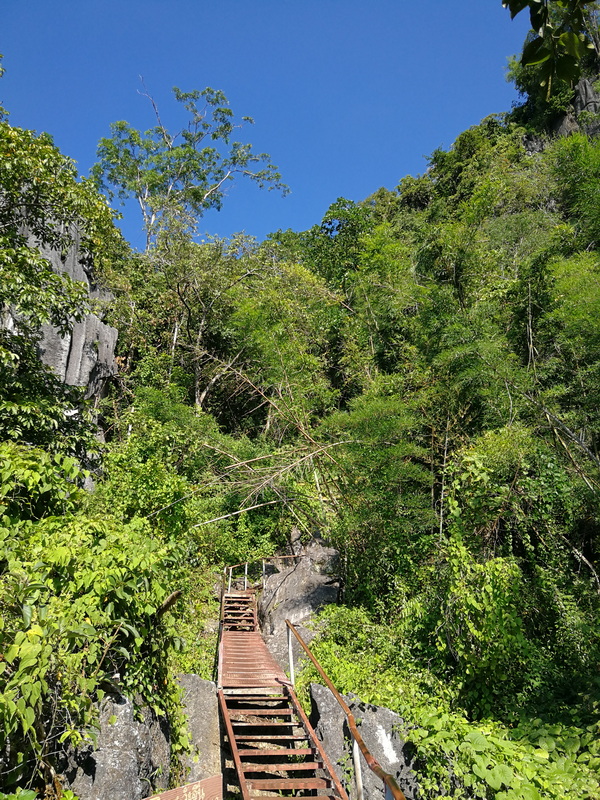
Independent visitors can use Lampang as a regional base or include the temple within a broader northern route, subject to current road and site conditions. Because the temple is elevated and involves walking on uneven ground, comfortable footwear and water are useful. People with mobility limitations or young children should assess the access arrangements in advance rather than assuming that every viewpoint or pagoda can be reached by everyone.
The best planning question is not simply how many attractions can fit into a day. It is whether the journey leaves enough attention for the place itself. A slower itinerary can support respectful behavior, local spending, and better understanding, while a tightly packed route may turn a culturally important site into a rushed photo opportunity.
Reading the Landscape Carefully
The mountain setting is visually powerful, but it is also sensitive. Visitors should keep to established routes, avoid leaving food or plastic behind, and be aware that noise travels across quiet slopes. Do not feed wildlife, collect plants or stones, or disturb small shrines and offerings. These actions help protect both the physical environment and the devotional atmosphere.
Responsible travel also includes how the site is represented afterward. Describing the pagodas as if they were a supernatural spectacle can obscure the work of monks, local residents, builders, and devotees who give the temple its meaning. More useful observations focus on craftsmanship, geography, religious practice, and the way a contemporary temple has become part of Lampang’s cultural identity.
Visitors may wish to support nearby communities through appropriate local purchases or meals, while remembering that spending should never be presented as a substitute for respect. Ask before photographing people, especially monks and worshippers. If a ceremony is underway, observe from a suitable distance and follow local guidance. These small choices make the visit more considerate and more informative.
Building a More Balanced Day
A visit to the Chaloem Phra Kiat Temple can be paired with places that explain other sides of Lampang. The contrast is useful: the temple emphasizes mountain worship and elevated architecture, while museums and conservation centers can introduce regional industry, animals, and community-based knowledge. Combining them thoughtfully prevents the day from being defined only by scenery.
Travelers should still avoid treating nearby stops as interchangeable attractions. Each has its own purpose, visiting expectations, and operating conditions. Confirm current information before setting out, and allow enough time to engage with each place rather than collecting names on an itinerary. This approach is particularly helpful for families and international visitors who may be navigating unfamiliar customs.
Nearby Attractions
Dhanabadee Ceramic Museum
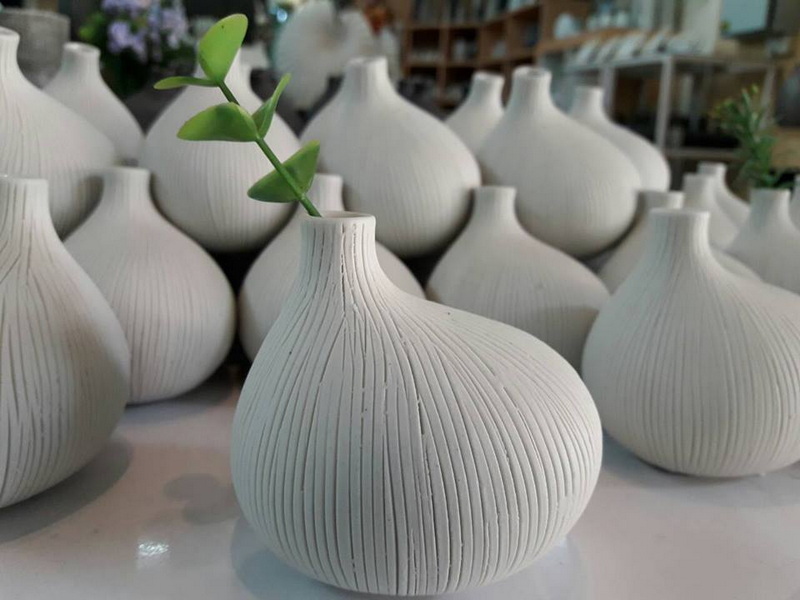
Dhanabadee Ceramic Museum in Lampang offers a useful cultural counterpoint to the mountain temple. Lampang is widely associated with ceramic production, especially its distinctive rooster-patterned bowls, and the museum presents the craft through objects, tools, production knowledge, and local history. The emphasis is educational: visitors can consider how materials, skilled labor, design, and trade have shaped the province’s identity.
For a temple itinerary, the museum adds a human and material dimension. After seeing white pagodas set against rock and forest, travelers can learn how clay is transformed through processes requiring patience and technical knowledge. Visitors should check current opening arrangements and any demonstration details before planning, since museum programs and access can change.
Elephant Conservation Center
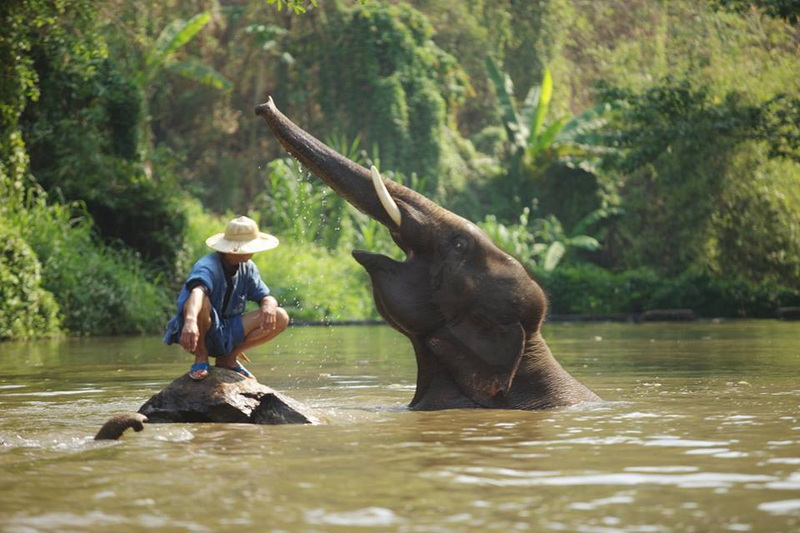
The Elephant Conservation Center near Lampang provides an opportunity to learn about elephants, their care, and the challenges surrounding their place in contemporary Thailand. A responsible visit should focus on welfare, husbandry, conservation education, and the expertise of the staff rather than on entertainment built around forced behavior or close contact.
Travelers should review the center’s current visitor policies and choose activities that respect animal wellbeing. Avoid assuming that feeding, bathing, riding, or touching is automatically ethical; standards and programs can differ. When combined with Wat Chalermprakiat, the center broadens a northern Thailand itinerary from religious heritage to questions of stewardship, human responsibility, and the relationship between communities and the natural world.
Bringing the Experience Together
Wat Chalermprakiat is most rewarding when approached as a cultural landscape rather than a single scenic stop. Its elevated pagodas, forested surroundings, and commemorative identity explain why the site is discussed alongside prominent temples in northern Thailand, while nearby museums and conservation experiences add depth to a Lampang journey. Whether arranged independently or considered within Chiang Mai Tour Packages, the visit deserves realistic travel time and respectful attention. Leave room for weather, quiet observation, and local guidance, and the temple can become more than an impressive view: it can be an introduction to the region’s living heritage.


Comments
Post a Comment