Visiting Ban Rak Thai with Van Tours from Chiang Mai
Visiting Ban Rak Thai with Van Tours from Chiang Mai
A practical route-planning guide to tea hills, village etiquette, and connected Mae Hong Son sights
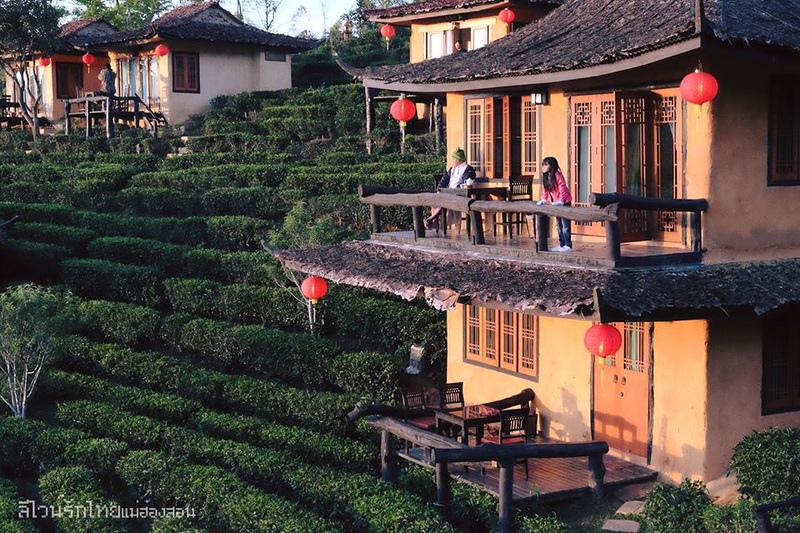
Ban Rak Thai sits in the mountainous Mueang Mae Hong Son District near the Myanmar border, making it a rewarding destination for travelers who are prepared for a long rural journey rather than a quick city excursion. The village is known for its Chinese Yunnan heritage, hillside setting, tea culture, and views across a tranquil reservoir. Its appeal comes from the combination of landscape and living community, so a thoughtful visit should allow time to observe rather than rush through a checklist. For many visitors, a Chiang Mai To Mae Hong Son Van Tour provides a practical transport context. A shared or private van can reduce the burden of navigating winding mountain roads, while a broader Mae Hong Son itinerary can connect the village with other regional sights. Because routes, stops, and operating arrangements vary, travelers should confirm the details directly with a tour provider and plan around the actual time available. This guide focuses on how to think about the journey, what to notice in the village, and how Pang Ung and Su Tong Pae Bridge may fit into a wider trip.
Why a van journey suits this mountain destination
The distance between Chiang Mai and Mae Hong Son makes transport an important part of the experience. Roads through northern Thailand pass over mountainous terrain, with bends, changes in elevation, and sections where travel takes longer than a map estimate may suggest. A van tour can be useful for visitors who prefer not to drive, do not want to manage an unfamiliar route, or are combining several places across Mae Hong Son Province. It also creates a structured transport setting when a destination is too remote for a simple city transfer.
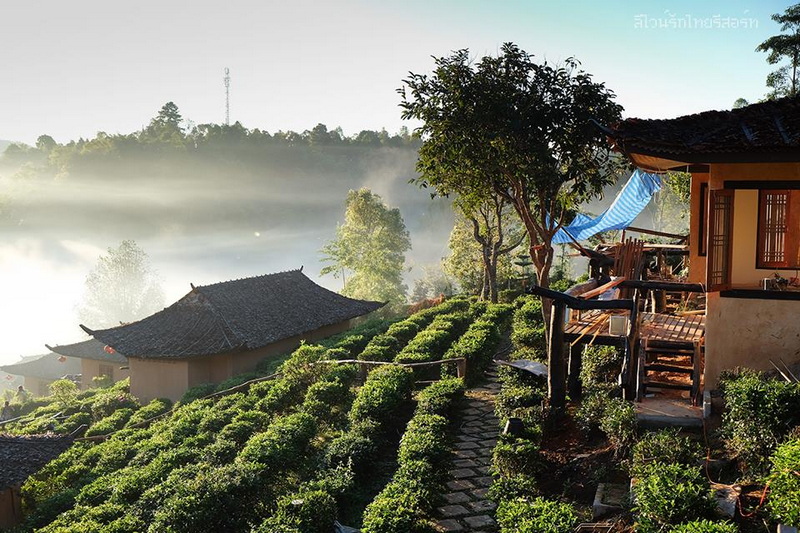
When comparing a Chiang Mai To Mae Hong Son Van Tour, look beyond the headline destination. Ask whether Ban Rak Thai is included as a planned stop, how much time is allowed there, and whether the journey is designed as a transfer, a loop, or a sightseeing itinerary. A route that includes Mae Hong Son town may involve a separate road leg to the village, so the order of stops matters. Travelers should also check the meeting point, luggage expectations, road comfort, and whether meals or entrance charges are handled independently, without assuming that every provider follows the same plan.
The most comfortable approach is to treat the van as part of a regional road trip rather than a fast shuttle. Keep essential medication, water, light layers, and personal items accessible instead of buried in luggage. Motion-sensitive travelers may prefer a front-facing seat where available and should discuss breaks before departure. Exact schedules can change because of weather, road conditions, traffic, or group needs, so a flexible itinerary is more realistic than planning several tightly timed connections on the same day.
What makes Ban Rak Thai worth the journey
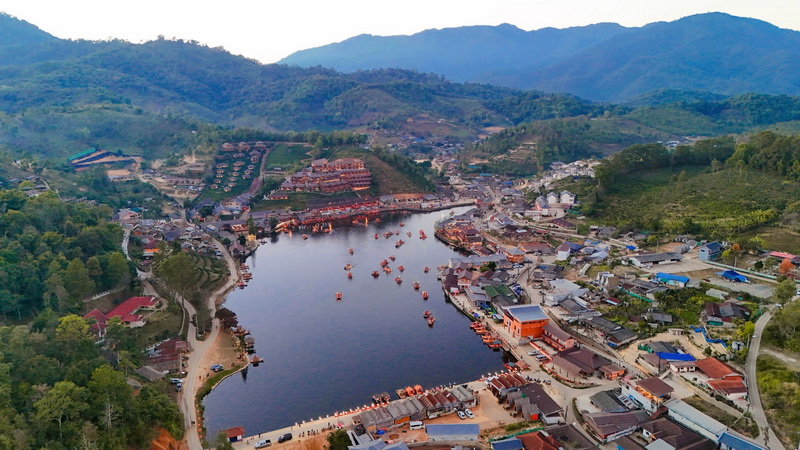
Ban Rak Thai Mae Hong Son is distinctive for its Yunnan Chinese cultural influence and its setting among forested hills. Architectural details, food traditions, tea shops, and signs may reflect that history, but the village should not be treated as a stage created solely for visitors. Residents live and work here, and tourism is only one part of community life. Taking photographs from public areas, asking before photographing people, and following local instructions are simple ways to make a visit more considerate.
The village’s scenery is best appreciated slowly. Water, steep slopes, mist, cultivated hillsides, and changing light create an atmosphere that shifts throughout the day. Tea is an important part of the visitor experience, and sampling local products can provide a more meaningful connection to the agricultural landscape of Baan Rak Thai than simply buying a souvenir. Look for opportunities to learn how tea is prepared, but avoid making assumptions about traditions or entering work areas without permission. A quiet walk, a shared meal, or time beside the water can be more memorable than trying to see every corner quickly.
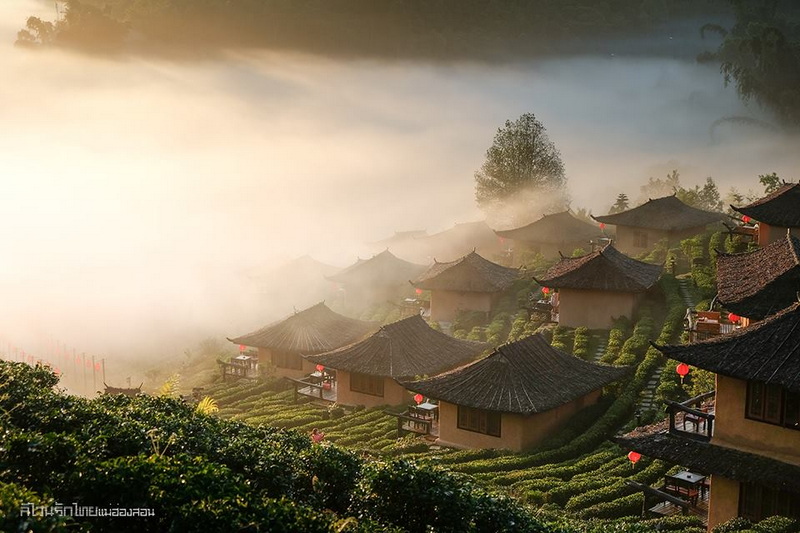
A useful Ban Rak Thai Travel Guide should distinguish between scenic appeal and guaranteed conditions. Mist is not assured, views can vary with weather, and businesses may have their own opening patterns. The village can feel peaceful, but it remains a working community with narrow roads and ordinary daily responsibilities. Keep voices low in residential areas, dispose of waste properly, avoid blocking roads for photographs, and support locally operated services when they suit your plans. These habits help preserve the welcoming character that draws visitors without reducing local culture to a backdrop.
Two Regional Stops to Pair with the Village
Once the transport plan leaves enough breathing room for Ban Rak Thai itself, nearby places can broaden the journey without turning it into a hurried collection of photo stops. Pang Ung and Su Tong Pae Bridge offer different perspectives on the area’s forests, fields, and community life.
Pang Ung

Pang Ung offers a natural counterpoint to the cultural and village focus of Ban Rak Thai. The reservoir is surrounded by pine forest and rolling highland scenery, and its calm atmosphere can complement a route that already includes time in the mountains. Early conditions may bring cool air or mist, but these effects depend on season and weather rather than a fixed daily promise. Visitors should follow local access guidance, remain considerate around other guests, and avoid treating the shoreline as a place for loud or disruptive activity.
For transport planning, Pang Ung works best when its position and opening arrangements are confirmed as part of the overall itinerary. A van group may need to coordinate arrival times, walking distances, and the amount of time available before continuing to another stop. The attraction is valuable not because it adds another name to a list, but because it gives travelers a chance to experience the region’s forested highland character at a gentler pace.
Su Tong Pae Bridge
Su Tong Pae Bridge is a well-known bamboo bridge in the Mae Hong Son area, traditionally associated with local community cooperation and access across rice fields. Its appearance changes with the agricultural cycle: surrounding fields may look green, recently harvested, or seasonally quiet. The bridge provides a useful cultural and landscape stop, but visitors should remember that it is also connected to local movement and community spaces rather than being only a photographic set.
When adding Su Tong Pae Bridge to a van itinerary, leave room for a calm walk and observation instead of expecting a lengthy attraction with numerous facilities. Use the walkway carefully, follow any signs or local requests, and ask before photographing people or ceremonies. Its value lies in the relationship between handmade infrastructure, rural surroundings, and community life, making it a thoughtful complement to the hills and tea culture of Ban Rak Thai.
Planning a balanced visit from Chiang Mai
A practical itinerary begins with the time available, not with a long list of attractions. Ban Rak Thai is in a remote part of Mae Hong Son, so a same-day journey from Chiang Mai may leave limited time for exploring, depending on the route and transport arrangement. A longer regional itinerary generally allows a more comfortable pace, especially if the van also serves other parts of the province. Confirm the intended route and overnight plan before booking, and make sure the vehicle arrangement matches the number of travelers and the amount of luggage.
Those planning to Visit Mae Hong Son Thailand should also consider the season and road conditions. Northern mountain weather can affect visibility and comfort, while cooler periods may require warmer clothing in the early morning and evening. Rain can make rural roads more challenging and may change the appearance of trails, viewpoints, and the reservoir. Rather than relying on a fixed expectation of perfect scenery, prepare for variation and allow the driver or local coordinator to adjust the route when safety requires it.
Cultural awareness belongs in the practical plan. Dress neatly when visiting community spaces, ask permission before entering private or semi-private areas, and avoid touching displays or religious objects unless invited. Purchases from local vendors are best made respectfully, with patience during busy periods and realistic expectations about payment options. If a guide shares information about the village, listen without turning personal stories into entertainment. Responsible travel is not complicated here: stay on appropriate paths, reduce single-use waste, and leave the landscape as you found it.
Making the mountain route worthwhile
Ban Rak Thai rewards travelers who plan for distance, changing road conditions, and unhurried observation. A van-based journey from Chiang Mai can make the wider Mae Hong Son route more manageable, but the quality of the visit still depends on realistic timing and respectful behavior. Confirm the transport details, leave flexibility for weather, and approach the village as a living community. With Pang Ung or Su Tong Pae Bridge added thoughtfully, the trip can combine scenic highlands, local culture, and practical road travel without losing its sense of place.


Comments
Post a Comment