Planning Around Chiang Rai Khon Muan Street
Planning Around Chiang Rai Khon Muan Street
A balanced introduction to market visits, regional tours, cultural context, and nearby nature
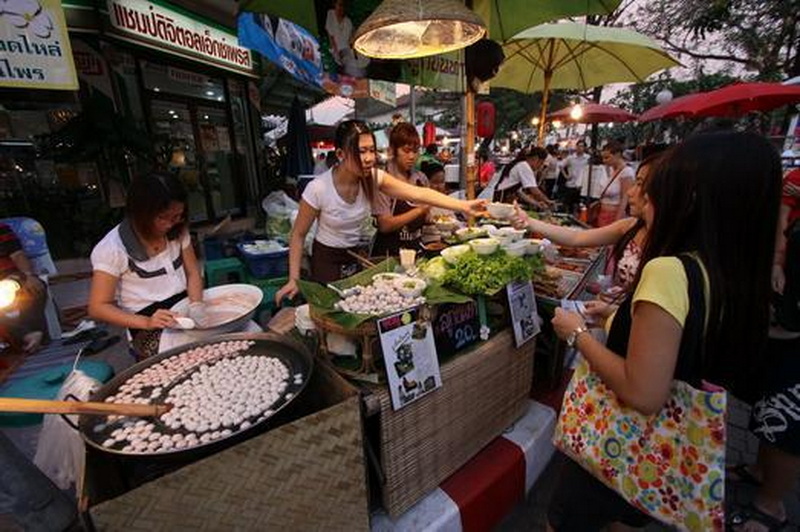
A visit to Chiang Rai can be planned around more than famous temples and scenic viewpoints. Chiang Rai Khon Muan Street offers a useful local focus: it brings together food, crafts, casual browsing, and an evening atmosphere in the urban heart of Mueang Chiang Rai District. Rather than treating the street as an isolated stop, travelers can use it as one part of a wider journey through northern Thailand. This overview is designed for visitors comparing general tour choices and deciding how Chiang Rai might connect with time in Chiang Mai. It looks first at what a walking street experience can contribute, then considers the kinds of Chiang Rai Tour arrangements commonly available in broad terms. It also gives attention to Chiang Mai Local Attractions that can complement the trip without confusing the two destinations. The most useful approach is to leave room for observation. Market conditions, events, and operating details can change, so current local information should be checked before setting out. The reward is a more flexible visit, with space for food, conversation, architecture, and nearby landscapes to shape the day naturally.
What Chiang Rai Khon Muan Street Adds to a Visit
Chiang Rai Walking Street is best understood as a public social space as well as a shopping area. Visitors may encounter prepared foods, snacks, handmade products, clothing, small gifts, and informal places to pause. The appeal is not simply the opportunity to buy something. It is the chance to notice how residents and visitors share an urban setting through eating, browsing, meeting, and enjoying local entertainment when it is present.
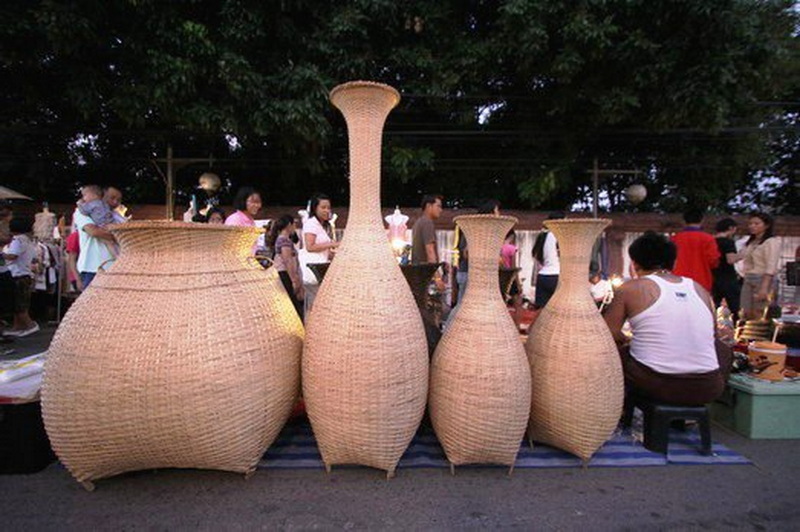
The street experience is generally more immediate than a formal museum visit. A traveler can move at an unhurried pace, compare regional flavors, and observe everyday interactions without expecting a staged cultural performance. Respectful behavior matters: ask before photographing people or products, avoid blocking busy walkways, and remember that vendors are working rather than performing solely for tourists. A little patience also makes communication easier when menus or product descriptions are unfamiliar.
For planning purposes, Chiangrai Walking Street can serve as a gentle introduction to the city before a fuller sightseeing program. It may help visitors develop a sense of local food preferences, craft traditions, and the scale of the central district. Those impressions can then give greater context to daytime visits elsewhere in Chiang Rai, even when the street itself is only one stop in a larger regional itinerary.
How to Think About General Chiang Rai Tours
General Chiang Rai tours usually fall into several broad categories. Some emphasize cultural landmarks and religious art, while others combine city sights with countryside scenery. There are also experiences built around food, handicrafts, local history, or relaxed exploration. The right choice depends less on the label of the tour than on the balance between guided explanation, personal time, and the kinds of places included.
A Chiang Rai Tour can be considered as part of a longer northern Thailand journey or as a focused visit from another base. Travelers comparing options should look at the geographic spread of the route, the amount of walking involved, and whether the emphasis is on seeing many landmarks or understanding a smaller number of places. These practical questions are often more useful than promotional descriptions or claims that a particular itinerary is the only way to experience the region.
For visitors interested in Chiang Rai Khon Muan Street, it is sensible to ask whether a tour leaves room for independent browsing. A guided introduction can provide historical and cultural context, but a market is also a place where unplanned discoveries are valuable. If an organized visit does not include the street, it may still be possible to treat it as a separate urban experience, subject to current local conditions.
Travelers should also distinguish between a broad sightseeing circuit and a specialist experience. A cultural route may focus on architecture and artistic traditions; a nature-oriented outing may prioritize rivers, parks, and rural scenery; a food-focused plan may spend more time tasting than visiting monuments. Thinking in these categories helps prevent an ambitious list of stops from becoming a rushed sequence with little time for meaningful attention.
Using Chiang Mai as a Complementary Base
Chiang Mai and Chiang Rai are separate destinations, yet they can complement one another in a northern Thailand itinerary. Chiang Mai offers a larger concentration of historic districts, temples, creative communities, and established visitor services. Chiang Rai often feels more spread out and is associated with distinctive contemporary art, regional landscapes, and a quieter rhythm in many areas. Visiting both can provide contrast rather than repetition.
When reviewing Chiang Mai Local Attractions, travelers might prioritize experiences that add a different perspective to their time around Chiang Rai. Historic streets and temple compounds in Chiang Mai can introduce northern architectural details and religious traditions, while museums and creative spaces can help explain the region's changing cultural identity. The purpose is not to rank one city above the other, but to recognize that each offers a different setting for learning and observation.
Time is an important planning factor. A traveler who tries to combine too many attractions in both cities may spend more energy checking items off a list than engaging with them. It can be better to select a small group of meaningful experiences in Chiang Mai, then allow Chiang Rai Walking Street and other Chiang Rai sights to provide a different pace. Current travel conditions and personal energy should guide the final decision.
Families, older travelers, and visitors with limited mobility may want to consider walking surfaces, shade, rest opportunities, and the length of guided visits before committing to a full sightseeing plan. These details vary by route and season. A flexible approach allows a market visit, temple exploration, or park outing to remain enjoyable rather than becoming a test of endurance.
Combining Food, Culture, and Responsible Browsing
A balanced Chiang Rai plan can combine a market atmosphere with more reflective visits. Time at Chiang Rai Khon Muan Street may center on taste and movement, while a temple, museum, or historic monument can encourage slower attention to design and history. The contrast gives structure to a trip without requiring every stop to have the same purpose.
Food is often one of the most accessible ways to connect with a place, but visitors should approach unfamiliar dishes with practical awareness. Ask about ingredients when necessary, choose vendors whose preparation appears suitable, and avoid assuming that every item will match personal tastes or dietary needs. Sharing space politely and disposing of waste properly are simple ways to support a pleasant public environment.
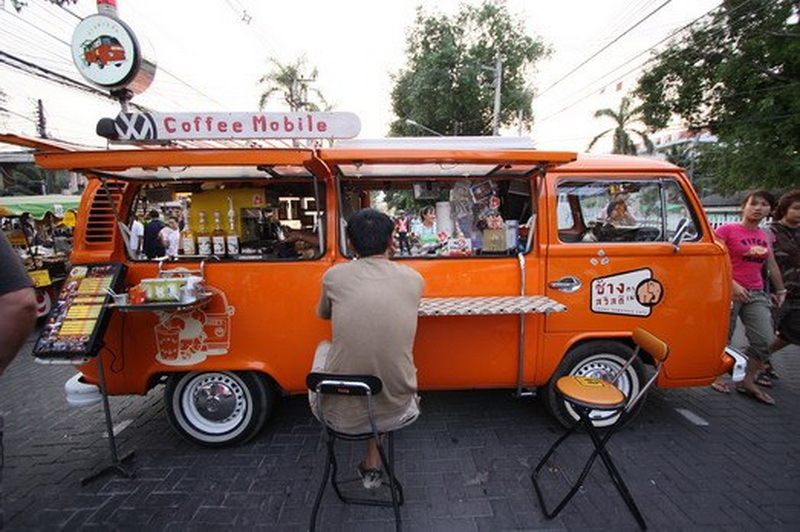
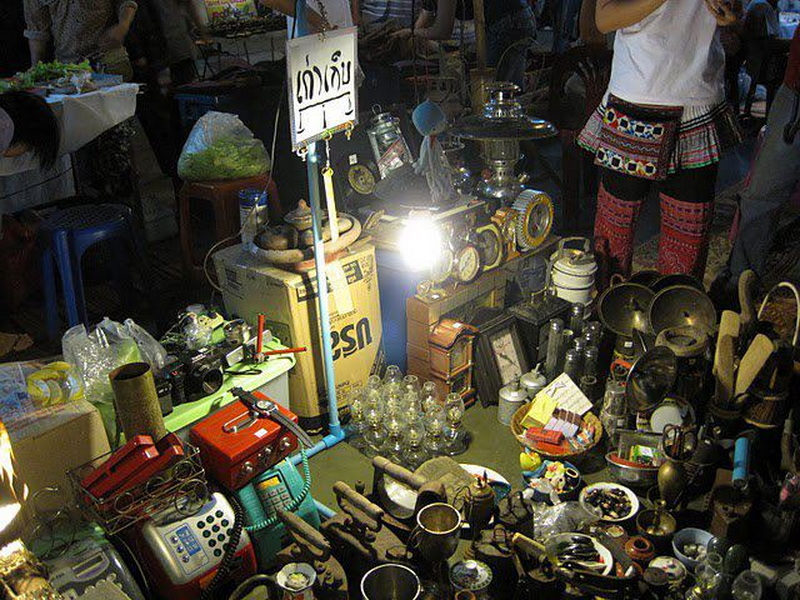
Shopping also benefits from a thoughtful approach. Handmade goods may reflect individual labor or local creative practice, so asking questions about an item is preferable to making assumptions about its origin. Bargaining, where it is culturally accepted, should remain courteous and proportionate. Visitors do not need to purchase something to show appreciation; respectful interest and considerate conduct are valuable in themselves.
Cultural sensitivity extends beyond the market. Religious sites should be approached with appropriate clothing and behavior, and people engaged in worship or daily work should not be treated as photographic subjects without consent. These habits help ensure that tourism supports mutual respect rather than turning living traditions into scenery.
Practical Questions Before You Set Out
Before choosing between independent exploration and an organized tour, clarify what kind of day you want. A guided option may reduce planning effort and offer interpretation, while independent travel can provide greater control over pace and time spent at the market. Neither approach is automatically better. The best fit depends on confidence, language comfort, interests, and the amount of structure a traveler finds helpful.
Check current information about market operation, public events, weather, and access before relying on older travel descriptions. Walking streets can change layout or programming, and seasonal conditions may affect comfort. It is also wise to carry modest essentials such as water, sun protection, and a way to keep purchases secure, without assuming that every facility or service will be available exactly as expected.
If the trip includes sites outside the city, group them by area where possible and leave time for delays or unplanned pauses. A journey that includes Chiang Rai Khon Muan Street should not be judged only by how many attractions fit into one day. A relaxed meal, an unexpected conversation, or a few quiet minutes noticing the city can become part of the most memorable travel experience.
Finally, consider the purpose of the visit. Someone seeking food and community atmosphere may spend longer at the walking street, while an art enthusiast may give greater attention to galleries and creative landmarks. Families may value flexibility, and first-time visitors may prefer a broad introductory tour. Defining that purpose makes it easier to choose experiences that feel coherent rather than merely convenient.
Nearby Attractions
Rong Khun Temple
Rong Khun Temple, widely known as the White Temple, is a notable cultural and artistic destination in Chiang Rai Province. Its highly distinctive white exterior and detailed decorative work create an experience that differs from the more traditional appearance of many historic temples. The site is associated with contemporary artistic expression as well as Buddhist imagery, so visitors benefit from treating it as a living religious and cultural place rather than only as a striking photo location.
A visit can complement Chiang Rai Walking Street by shifting the focus from community market life to architecture, symbolism, and careful visual observation. Dress respectfully, follow site instructions, and be mindful of worshippers and other visitors. Since conditions and access arrangements may change, confirm current information before including Rong Khun Temple in a fixed tour plan.
Lam Nam Kok National Park
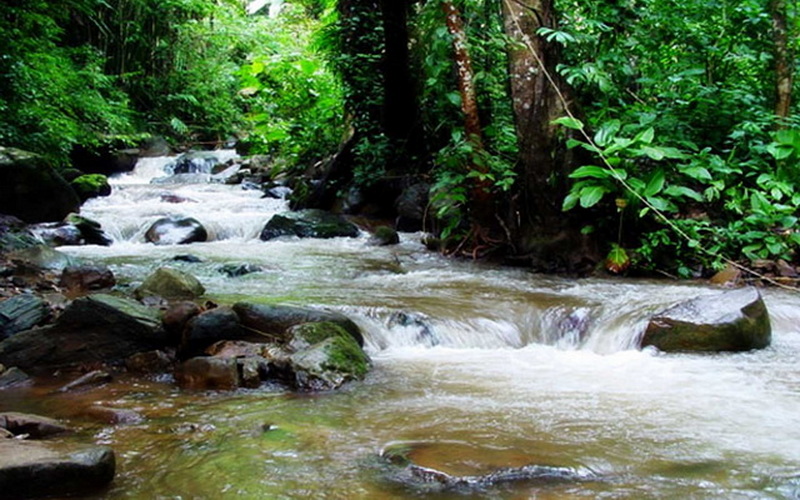
Lam Nam Kok National Park offers a natural counterpoint to the urban setting of Chiang Rai Khon Muan Street. The park landscape is connected with the Kok River basin and includes forested areas, waterways, and outdoor environments that invite a slower pace. Its value lies in experiencing northern Thailand's natural setting without expecting every visit to produce a dramatic or guaranteed sighting.
The park can suit travelers who want to balance cultural sightseeing with time outdoors. Conditions may vary according to weather, season, and local guidance, so visitors should prepare sensibly, stay on appropriate routes, and avoid disturbing plants, animals, or local communities. Pairing the park with a market visit creates a broad overview of the region: one experience emphasizes public life and food, while the other encourages attention to landscape and conservation.
Bringing the Experience Together
Chiang Rai Khon Muan Street works well as an anchor for flexible exploration rather than as a reason to rush through a checklist. General tours can add context, Chiang Mai Local Attractions can broaden the regional story, and nearby places such as Rong Khun Temple and Lam Nam Kok National Park can introduce contrasting cultural and natural settings. Check current details, choose a pace that suits your group, and approach markets, temples, and landscapes with care. That combination of planning and openness makes a visit to Chiang Rai more comfortable, respectful, and personally meaningful.


Comments
Post a Comment