Land Split Travel Planning with Van Tours and Local Agency Insight
Land Split Travel Planning with Van Tours and Local Agency Insight
A practical look at road-based touring, agency coordination, and natural stops around Pai
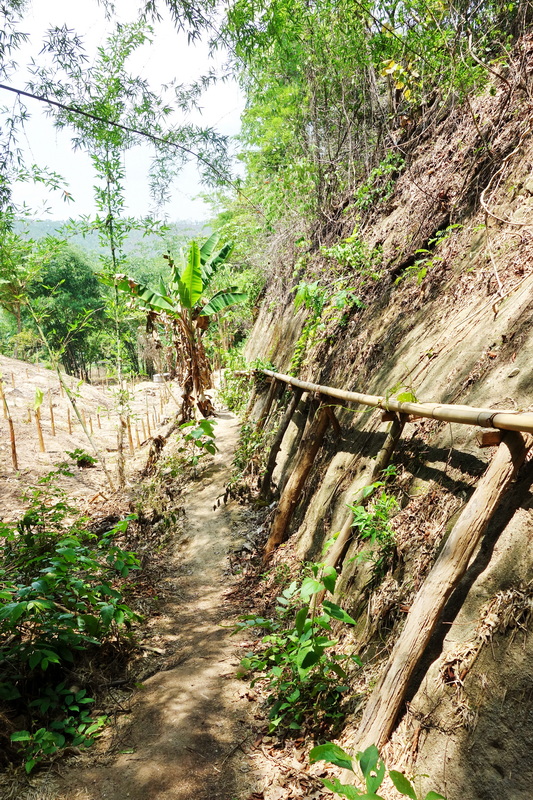
Land Split Pai is a small-scale geological attraction in the countryside of Pai District, Mae Hong Son. Its appeal comes less from a large visitor infrastructure and more from the unusual landscape, the story of changing farmland, and the chance to see a local attraction within a wider northern Thailand road journey. For visitors, the main planning question is often not whether to include it, but how to connect it sensibly with transport from Chiang Mai and other places around Pai. A van tour can make that decision easier when travelers prefer coordinated road transport instead of arranging every movement independently. Yet a useful tour is not defined only by the vehicle. The agency’s role in shaping a realistic route, communicating expectations, and allowing enough flexibility for rural stops can be just as important. This guide considers those roles without assuming that every operator offers the same itinerary, vehicle, or departure arrangement. For people preparing to Visit Mae Hong Son Thailand, Land Split provides a focused stop within a broader regional experience. The surrounding countryside, Pai’s winding approach roads, and nearby natural sites make route planning part of the attraction. Understanding how agencies and van-based travel may fit together helps visitors make a more confident, respectful plan.
Why Land Split Works as a Planned Road Stop
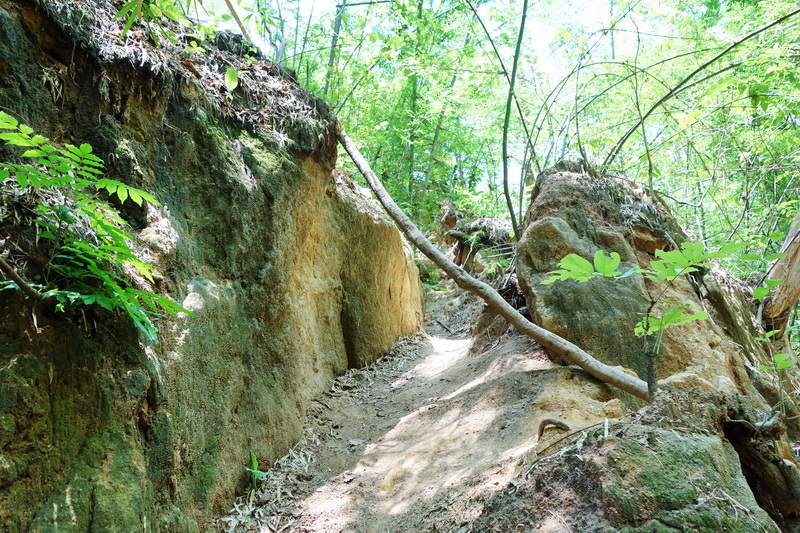
Land Split in Pai is best approached as one element of a countryside itinerary rather than as a destination requiring a full day on its own. The site is associated with a visible break in the land and an agricultural setting, giving visitors a different perspective from Pai’s town centre and more dramatic mountain viewpoints. The experience is generally about observing the landscape, learning how a local place has become a visitor stop, and appreciating the contrast between cultivated land and the surrounding hills.
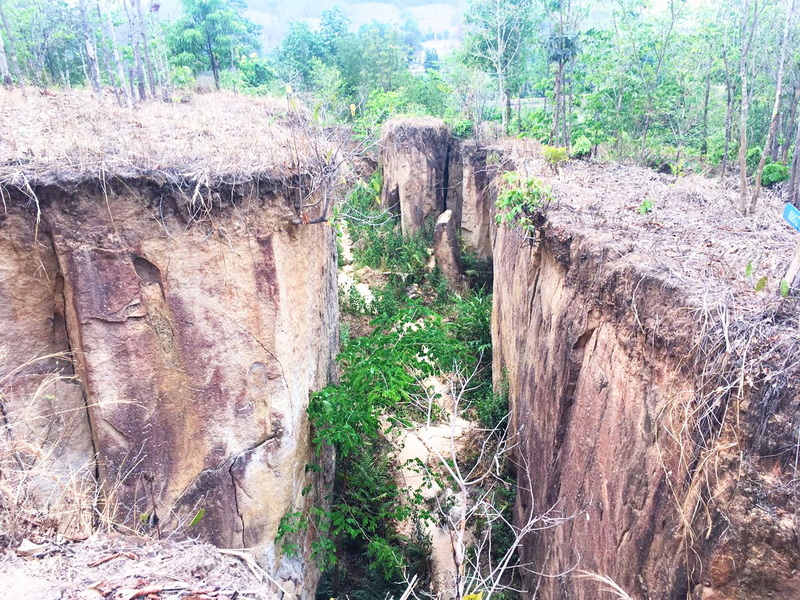
That character affects transport decisions. Travelers should allow time for a vehicle to leave the main town area, reach the rural setting, and continue to the next planned stop without turning the visit into a rushed photo break. A sensible route also considers daylight, road conditions, weather, and the interests of everyone in the group. These are planning principles rather than fixed rules, because actual travel time and itinerary design depend on the operator, starting point, season, and conditions on the day.
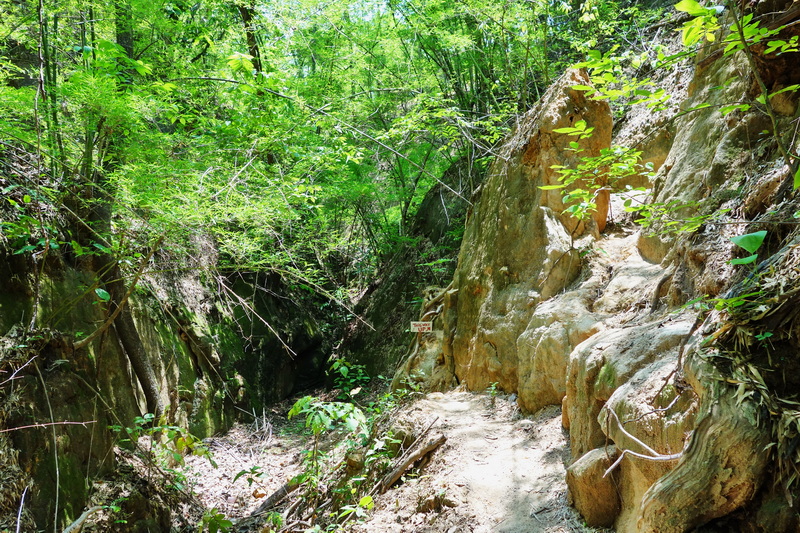
The attraction also benefits from a considerate style of visiting. It is not simply a scenic backdrop; it exists within a lived agricultural environment. Visitors should remain attentive to signs, avoid entering working areas without permission, and keep noise and waste under control. A guide or driver who understands the local context can help explain where a group should stop and how to behave appropriately, which is one reason agency involvement may add value beyond basic transport.
Understanding Van Tours from Chiang Mai
A Chiang Mai To Mae Hong Son Van Tour can mean different things in practice. Some travelers may be considering a shared vehicle organized around a broader route, while others may be looking for a private arrangement with more influence over stops and pacing. The phrase should therefore be treated as a transport category, not as proof of one standard itinerary. Before booking, travelers need to establish whether Pai, Land Split, or other Mae Hong Son destinations are actually included.
Road travel from Chiang Mai toward Pai and Mae Hong Son involves a mountainous route with frequent bends. A van can be useful for people who prefer not to manage the entire drive themselves, particularly when a group wants a coordinated journey and a driver familiar with the regional roads. At the same time, shared travel may involve less control over timing, while a private vehicle may involve different terms and planning expectations. Neither format is automatically better; the suitable choice depends on comfort, group size, flexibility, and tolerance for a long road journey.
Questions to ask an operator should be practical and specific. Confirm the starting area, whether the service is shared or private, the destinations covered, how much time is normally allowed at rural attractions, and what happens if weather or road conditions affect the route. It is also sensible to ask whether a guide accompanies the vehicle or whether the driver mainly provides transportation. These details help prevent assumptions based on a tour title alone and make the final plan more transparent.
Natural Additions to a Land Split Route
Once the transport framework is clear, the surrounding attractions help explain why a flexible route can be more rewarding than a rushed checklist. Pai Canyon and Pam Bok Waterfall offer two different natural settings, but each needs its own practical expectations.
Pai Canyon
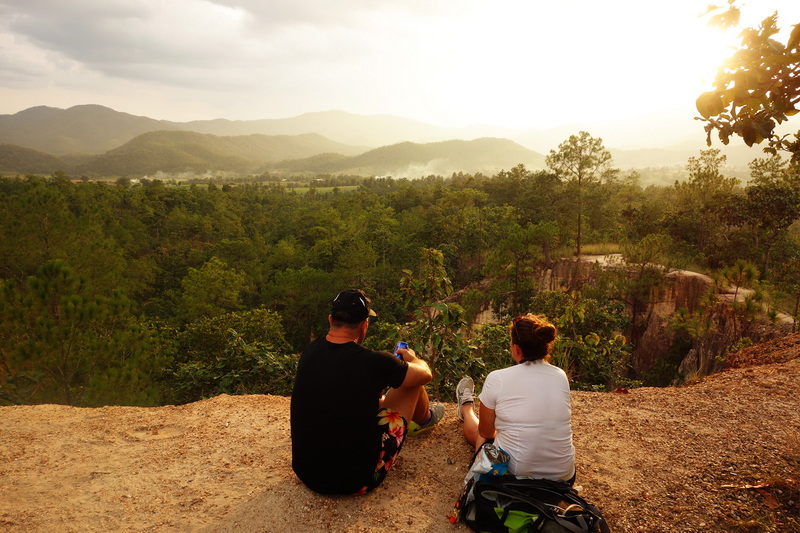
Pai Canyon offers a contrasting landscape experience and can help shape the broader logic of a Land Split Thailand itinerary. Its narrow ridges, exposed earth, and elevated views create a more dramatic setting than the agricultural surroundings of Land Split. The terrain can be uneven, and visitors should judge conditions carefully, particularly after rain or when walking close to edges. Comfortable footwear, unhurried movement, and attention to the natural surface are more useful than trying to cover every viewpoint.
From an agency perspective, Pai Canyon is the kind of stop that needs realistic timing and clear expectations. A tour coordinator can discuss whether it fits before or after the rural attraction, but travelers should not assume that every van itinerary includes both. Combining them may give a day useful visual variety, while separating them may be more comfortable for visitors who want time to observe rather than move quickly between locations.
Pam Bok Waterfall
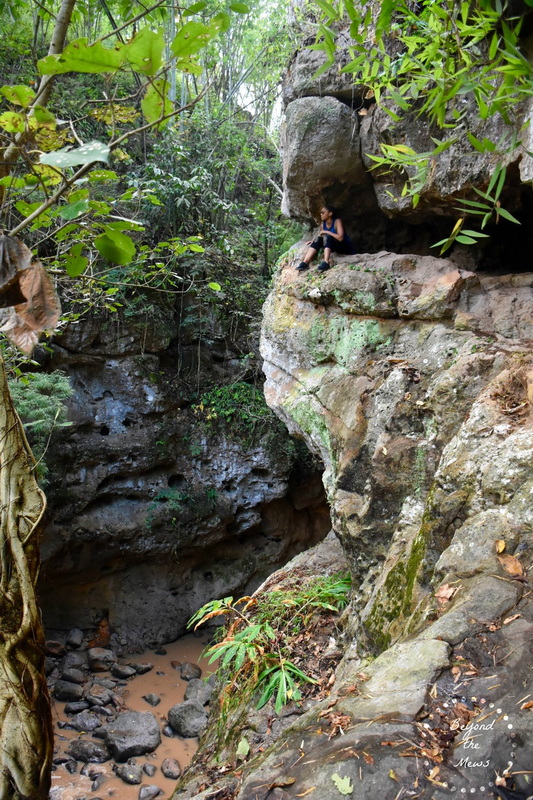
Pam Bok Waterfall brings another natural setting into the route, with a more enclosed valley character and seasonal water conditions. Its appearance and the ease of viewing can vary with rainfall, so descriptions should be understood as general rather than guaranteed. Visitors should follow local guidance, take care on wet surfaces, and avoid treating water access or swimming as automatically suitable on every visit.
For van-tour planning, Pam Bok Waterfall may work as a complementary stop because it changes the pace of a countryside day. The important point is not to collect as many names as possible, but to check whether the proposed route leaves enough time for safe arrival, viewing, and departure. An agency can help compare priorities, while the traveler remains responsible for choosing a schedule that feels comfortable and realistic.
What a Chiang Mai Travel Agency Can Coordinate
A Chiang Mai Travel Agency may act as a planner, transport coordinator, and communication link between visitors and local service providers. For a journey involving Pai or Mae Hong Son, that can include discussing the traveler’s preferred route, matching the request to an available vehicle or driver, and clarifying which attractions can reasonably be combined. The agency does not remove the need for traveler judgment, but it can reduce the difficulty of bringing several logistical pieces together.
Good agency communication is especially important when the desired stop is a rural attraction such as Land Split Mae Hong Son. The agency should be able to distinguish between a confirmed inclusion and a possible request, explain whether the route is fixed or adjustable, and identify any limitations connected with the day’s travel. Visitors should also communicate mobility needs, luggage considerations, preferred language support, and whether they value longer stops or a faster regional overview.
Agency involvement can also support local economic connections when arrangements are made respectfully. A driver, guide, or local contact may provide context about the land and community without turning local life into a performance. Travelers should favour clear, neutral communication and avoid expecting access to private land or personal stories simply because a place appears in a tour plan. The strongest arrangement is one that balances visitor curiosity with the rights and routines of the people who live and work in the area.
Choosing the Right Level of Support
Land Split is a modest but distinctive stop that rewards thoughtful route design. Van tours can simplify the road journey from Chiang Mai, while agencies can help coordinate destinations, vehicle arrangements, communication, and local context. Their usefulness depends on clear questions and realistic expectations rather than on a tour label alone. Whether visitors choose shared transport, a private arrangement, or another way to reach Pai, the most dependable plan leaves room for road conditions, natural surroundings, and respectful behaviour. That approach makes a visit to Land Split part of a considered Mae Hong Son journey instead of just another hurried stop.


Comments
Post a Comment