Ku Chang Ku Ma Lamphun and the Cultural Landscape Around It
Ku Chang Ku Ma Lamphun and the Cultural Landscape Around It
A respectful introduction to Lamphun heritage, nearby sacred places, and regional travel planning
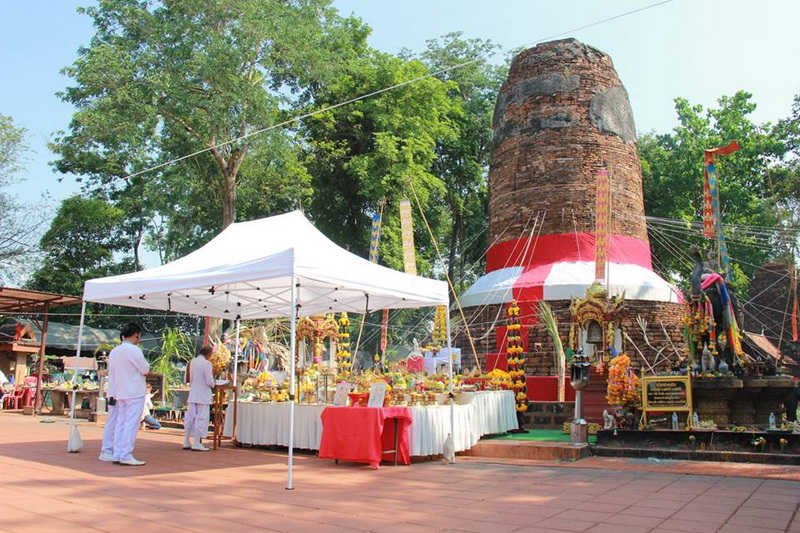
Ku Chang Ku Ma Lamphun offers a compact but meaningful way to encounter the history of northern Thailand. Located in Mueang Lamphun District, Lamphun, this cultural site is associated with the old Hariphunchai kingdom and with stories preserved through local religious tradition. Its name is often written in several ways, including Kou Chang Kou Ma, so visitors may encounter different spellings while researching the area. The site is best approached as part of a wider cultural landscape rather than as an isolated photo stop. Its monuments, shrine setting, and surrounding community reflect the long relationship between Lamphun’s history, Buddhism, and local memory. For travelers comparing Chiang Mai Tour Packages, a visit can add historical depth to a northern Thailand itinerary without requiring the experience to be rushed. The most rewarding approach is observant and considerate: take time to understand the site, follow local etiquette, and leave space for people who come for worship or quiet reflection.
A Monument Connected with Lamphun’s Past
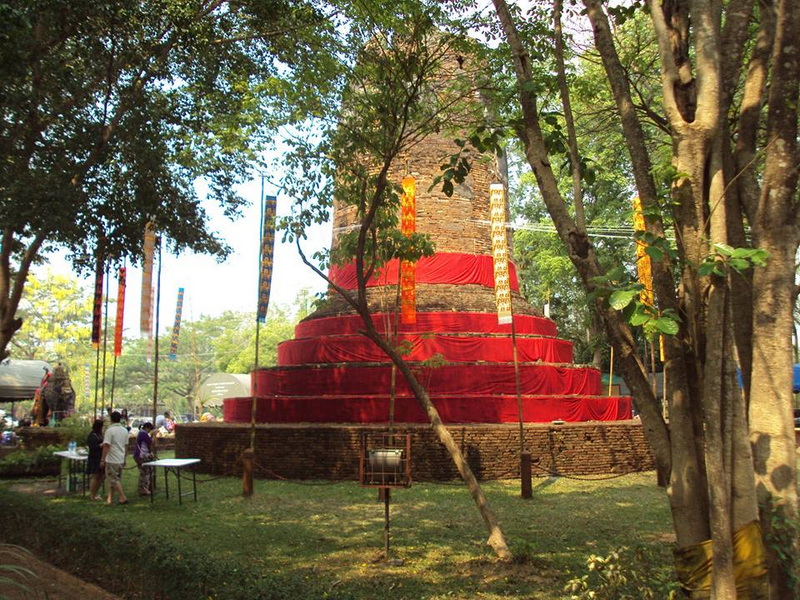
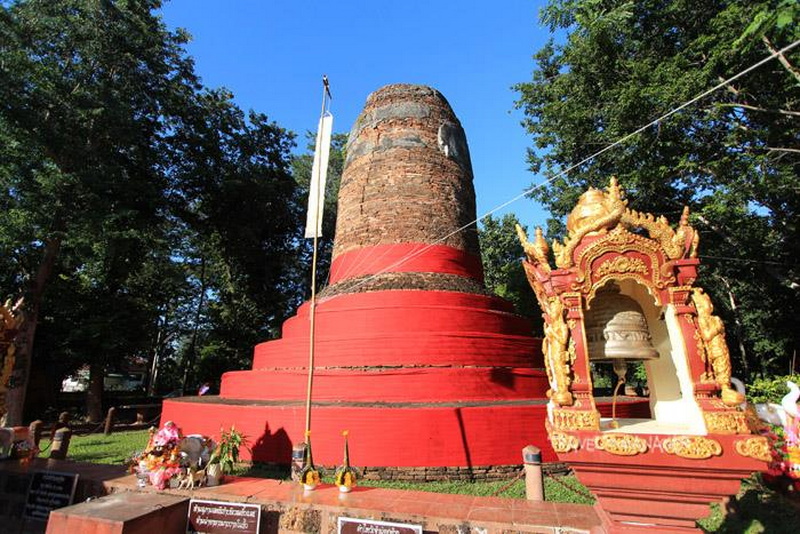
Ku Chang Ku Ma is commonly understood as a pair of ancient monuments associated with an elephant and a horse. Local tradition connects them with Queen Chamathewi, the celebrated ruler linked to the founding history of Hariphunchai. The elephant is remembered as a powerful companion in the region’s historical narrative, while the horse represents another important part of that story. These associations help explain why the site carries more significance than its modest scale might first suggest.
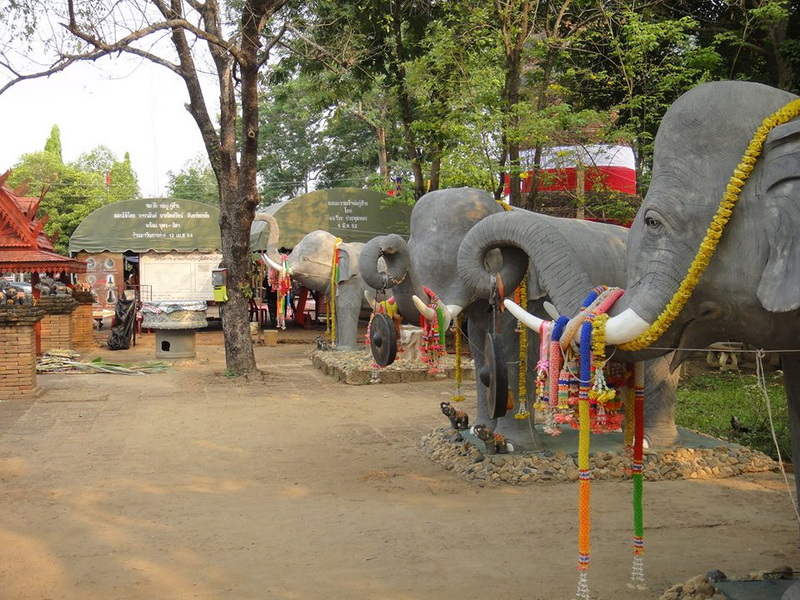
The monuments are part of a living cultural setting, not simply archaeological objects removed from community life. Buddhist devotion, local storytelling, and historical memory overlap here, creating a place where the past continues to be interpreted by present-day visitors and residents. Details of traditional accounts may vary, and travelers do not need to treat every story as a literal historical record. It is more useful to recognize how these stories preserve local identity and connect Lamphun with its Hariphunchai heritage.
What Visitors May Notice on Arrival
A visit to Ku Chang Ku Ma is likely to feel quieter and more contemplative than a stop at a large landmark. The central focus is the pair of monuments and their associated sacred space, where visitors may observe offerings, devotional activity, and architectural details shaped by northern Thai religious practice. The atmosphere can change according to the time of day and the presence of worshippers, so a respectful visitor allows the site to set its own rhythm.
There is value in looking beyond the most recognizable feature. Notice the relationship between the monuments, the surrounding grounds, and the patterns of local use. This is not a place that needs elaborate entertainment to be worthwhile. Reading a little about Lamphun before arriving can make the visit more rewarding, especially for travelers who want to understand why animals, rulers, and sacred memory appear together in regional heritage. Photography should remain secondary to awareness of the religious setting.
Placing Ku Chang Ku Ma within a Northern Thailand Trip
Lamphun is close enough to Chiang Mai to be considered within the same broader travel region, yet it has a distinct historical character. Chiang Mai is often the better-known base for visitors exploring northern Thailand, while Lamphun offers a more concentrated encounter with Hariphunchai history and long-established religious sites. This contrast is useful when comparing Chiang Mai Tour Packages: some travelers may prefer a broad regional program, while others may seek a slower day focused on heritage and local atmosphere.
Package descriptions can use different terms, including Chiang Mai package tours, Chiang Mai trip packages, or regional cultural excursions. Those labels do not always describe identical experiences, so travelers should check current inclusions, time allocations, and site selections directly with the provider. Ku Chang Ku Ma may suit a program that connects Chiang Mai with Lamphun’s historic center, but visitors should avoid assuming that every tour includes this particular site. Independent travelers can use the same regional logic while keeping their plans flexible.
The wider lesson is that Lamphun works well as a complement to, rather than a duplicate of, Chiang Mai. A visit here can shift attention from major urban attractions toward local history, religious continuity, and the importance of place-based memory. That makes Ku Chang Ku Ma Thailand a useful stop for travelers who want context as well as sightseeing.
Practical Courtesy at a Living Sacred Site
Visitors should dress and behave in a way that respects a religious environment. Modest clothing is appropriate, and voices should remain low when other people are praying or making offerings. Follow any signs or local instructions about where to stand, what may be photographed, and how to move through the grounds. Avoid touching monuments, ritual objects, or offerings unless a local custodian clearly invites participation.
A responsible visit also means recognizing that residents may use the site for reasons unrelated to tourism. Do not block entrances, stage disruptive photographs, or treat devotional activity as a performance. If photographing people, seek permission first. Travelers can support the area simply by spending time respectfully, keeping the surroundings clean, and choosing local businesses where appropriate without turning the visit into an intrusive commercial experience.
Because operational details can change, visitors should confirm opening arrangements, local guidance, and the practical conditions of their chosen route before setting out. A Ku Chang Ku Ma Travel Guide can provide useful orientation, but current information from an official or trusted local source remains more reliable than assumptions based on an old itinerary. Flexible planning is especially helpful when combining several cultural sites in one day.
How to Approach the Experience
The most effective way to visit is to begin with curiosity rather than a checklist. Learn the broad story of Hariphunchai, understand that local tradition and academic history may use different kinds of evidence, and observe how the site functions today. This approach helps travelers appreciate the monuments without reducing them to a simple legend or a background for photographs.
Allow enough time to pause, read available information, and consider the setting before moving on. Combining Ku Chang Ku Ma with one or two nearby cultural places can create a coherent Lamphun excursion, but the day does not need to be crowded with stops. The significance of the site lies partly in its ability to connect a small physical place with questions about leadership, animals, belief, and the ways communities remember their past.
For anyone planning to Visit Ku Chang Ku Ma, realistic expectations are important. This is a heritage and devotional site, not a theme attraction, and facilities or visitor services may be limited compared with major city landmarks. That simplicity is part of its character. Travelers who arrive prepared to observe respectfully are more likely to leave with a clear sense of Lamphun’s cultural individuality.
Nearby Attractions
Wat Phra Yuen
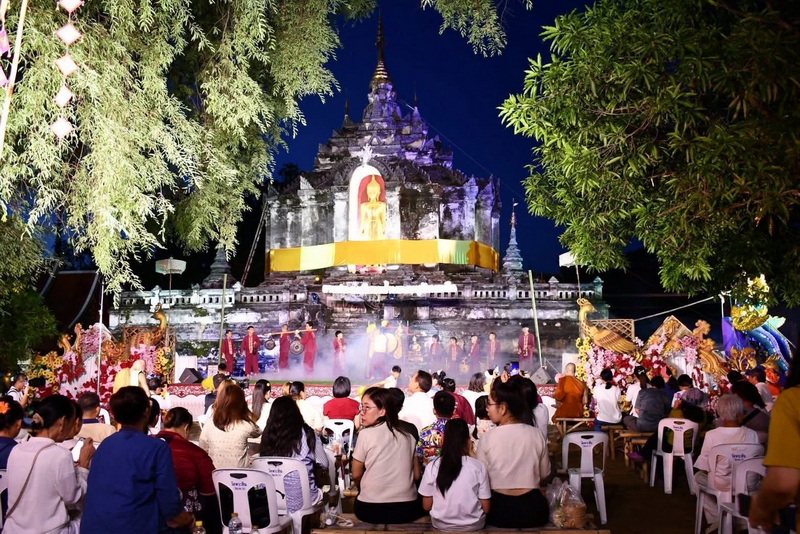
Wat Phra Yuen is another important religious landmark in the Lamphun area and can broaden an excursion centered on Ku Chang Ku Ma. The temple is known for its distinctive religious architecture and for the rows of standing Buddha images associated with its identity. As with any active temple, visitors should behave quietly, dress appropriately, and observe worshippers without interrupting their practices.
The contrast between Ku Chang Ku Ma’s monument-focused setting and Wat Phra Yuen’s temple environment helps show the variety within Lamphun’s heritage. One place invites reflection on local historical tradition, while the other presents Buddhist art and living devotion more directly. Together, they offer a balanced introduction to the region without requiring travelers to treat either site as a spectacle.
Kruba Sri Wichai Monument
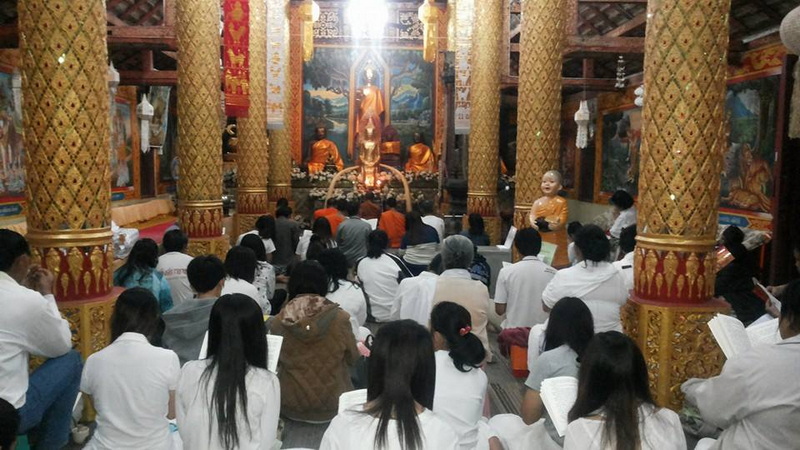
The Kruba Sri Wichai Monument honors one of northern Thailand’s most respected Buddhist monks, whose influence remains important in the region’s religious memory. Monuments dedicated to him often function as places of respect and remembrance, so visitors should approach with the same care they would bring to a temple or shrine. The site can help travelers understand how religious figures continue to shape northern Thai identity.
Including the monument after Ku Chang Ku Ma adds a more modern layer to a Lamphun heritage visit. The two places reflect different periods and forms of cultural memory: one is tied to older local tradition, while the other recalls a revered monk whose legacy remains visible in northern communities. Travelers should check local conditions before visiting and avoid assuming that a monument operates like a conventional sightseeing attraction.
Bringing the Experience Together
Ku Chang Ku Ma brings together history, local tradition, and living religious practice in a setting that rewards patience rather than hurried sightseeing. Its connection with Hariphunchai stories gives the visit a strong sense of place, while nearby Wat Phra Yuen and the Kruba Sri Wichai Monument provide useful regional context. Whether included in a Chiang Mai itinerary or explored as part of a wider Lamphun visit, the site is best experienced with modest expectations, respectful conduct, and attention to the community around it. That approach allows a small landmark to become a meaningful introduction to Lamphun’s enduring cultural landscape.


Comments
Post a Comment