Kho Ku So Bridge Planning with Van Tours and Local Agency Support
Kho Ku So Bridge Planning with Van Tours and Local Agency Support
A practical guide to organized transport, agency planning, and scenic stops around Pai
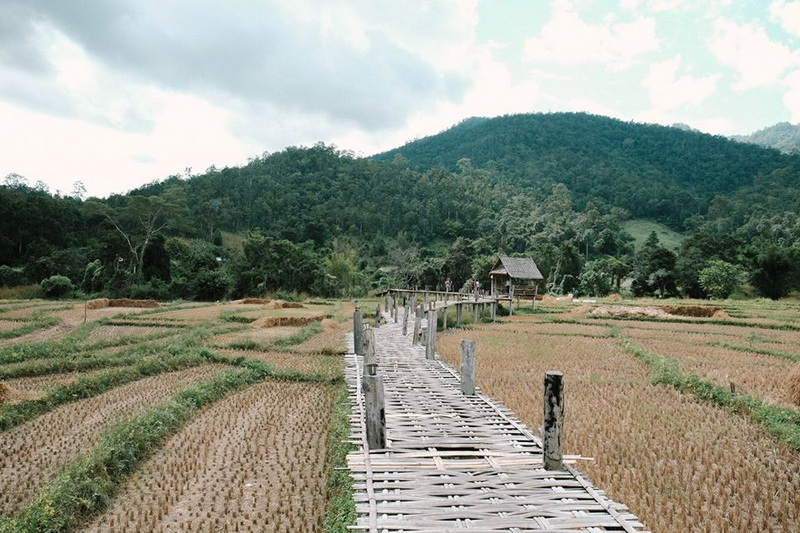
Kho Ku So Bridge, also known as the Kho Ku So Bamboo Bridge, is a scenic attraction in Pai District, Mae Hong Son. The raised bamboo walkway crosses a rural landscape and offers a slower, more observant way to experience the countryside. Rather than treating the bridge as an isolated photo stop, visitors can place it within a carefully planned route through Pai and the wider Mae Hong Son region. For travelers arriving from Chiang Mai, organized transport can simplify a journey that involves mountain roads, changing travel times, and several possible stops. A Chiang Mai to Mae Hong Son van tour may suit visitors who prefer a shared vehicle and a planned route, while a Chiang Mai Travel Agency can help compare transport arrangements, sightseeing priorities, and practical details before departure. This guide focuses on how to think through those choices. It does not assume that every agency offers the same itinerary or that every van tour operates in the same way. Instead, it explains what to ask, how to prepare, and how Pai Canyon and Land Split Pai can fit naturally into a day connected with Kho Ku So Bridge.
Planning a Visit to Kho Ku So Bridge
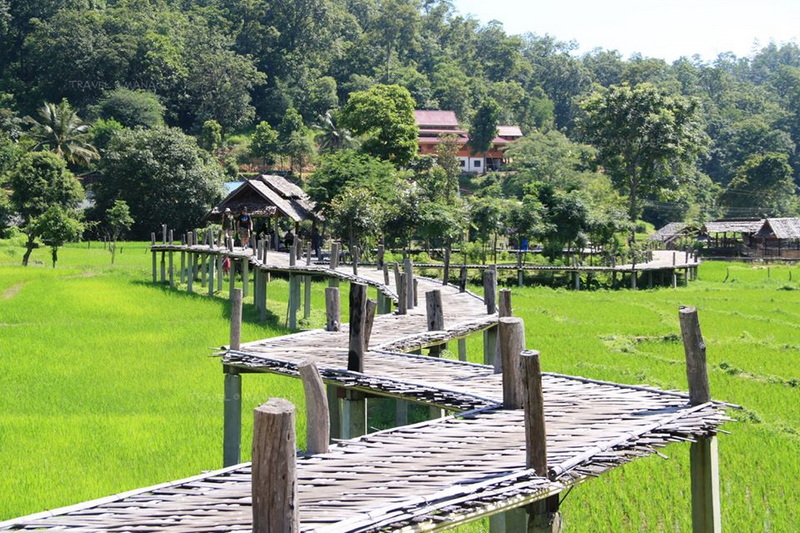
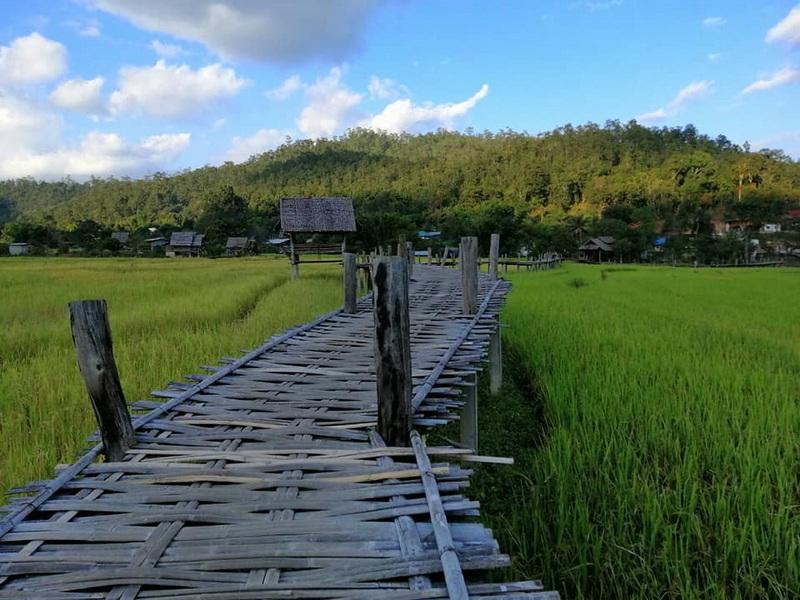
A visit to Kho Ku So Bridge is best approached as a countryside experience rather than a rushed urban attraction. The bamboo structure leads visitors through open agricultural scenery, so comfortable walking footwear, sun protection, and drinking water are sensible preparations. The surface may feel uneven in places, and conditions can change with weather and maintenance. Visitors should follow local instructions, avoid climbing on the structure, and give other people room to enjoy the walkway safely.
The name appears in several forms in travel searches, including Kho Kuu So Bridge, Kho Khu So Bamboo Bridge, and Pai Bamboo Bridge. These variations can be useful when checking maps or discussing a route with a transport provider, but travelers should confirm that the selected stop is the bamboo bridge in Pai District, Mae Hong Son. Clear confirmation matters because nearby rural roads and similarly worded place names can create confusion when arrangements are made remotely.
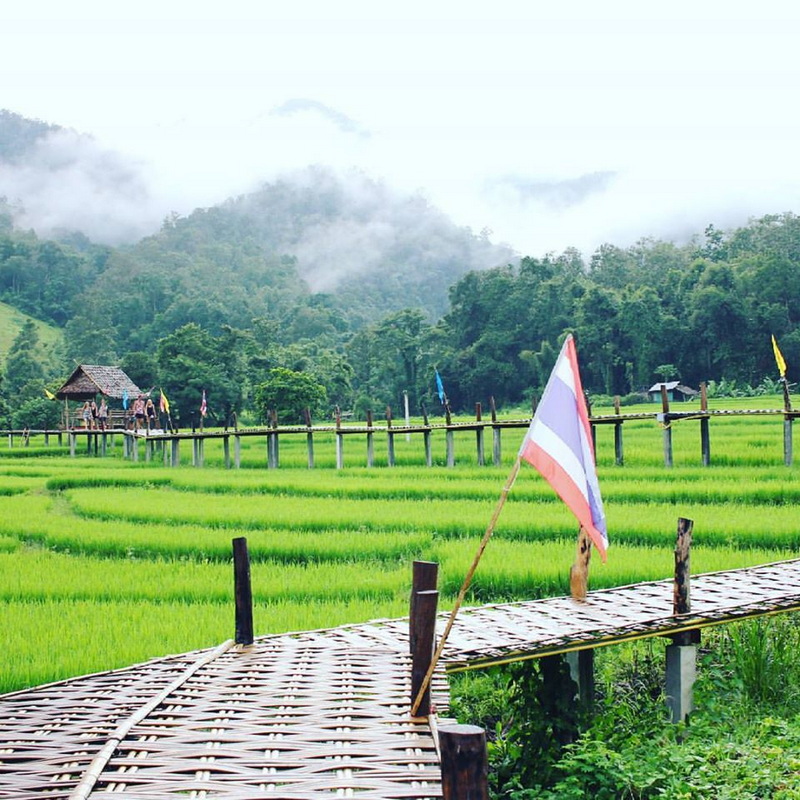
Allowing flexible time is particularly useful. A bridge visit may involve walking from the vehicle, pausing for landscape photographs, and waiting while other passengers complete the route. The countryside setting rewards observation: rice fields, vegetation, and changing mountain views are part of the appeal. A respectful visit also means staying on designated paths, carrying rubbish away when facilities are limited, and treating the surrounding farmland as a working environment rather than a backdrop for unrestricted access.
What to Expect from a Chiang Mai to Mae Hong Son Van Tour
A Chiang Mai to Mae Hong Son van tour can be a practical option for visitors who do not want to arrange every road transfer independently. Shared vans commonly appeal to first-time visitors because the vehicle, meeting arrangements, and broad route may be organized in advance. The exact experience depends on the provider, vehicle, passenger group, and itinerary, so the phrase should not be treated as a guarantee of a particular schedule or number of stops.
Before booking, ask whether the route is intended to reach Mae Hong Son town, Pai, or both, and whether Kho Ku So Bridge is included or would require a separate arrangement. Also confirm the meeting point, approximate travel duration, luggage policy, seating expectations, and how long the vehicle normally waits at sightseeing stops. These questions are more useful than relying only on a tour title, especially when an online description uses broad regional wording.
Mountain travel can be tiring, so passenger comfort deserves attention. Travelers who are sensitive to winding roads may wish to ask about breaks and seating before committing. Keep essential medication, water, a light layer, and important documents in a small day bag rather than in luggage stored elsewhere in the vehicle. Families and travelers carrying larger bags should check space in advance. A shared service may be efficient, but it usually offers less control over timing than an independently arranged vehicle.
A van tour can also create a social rhythm that some visitors enjoy and others may find restrictive. Shared departures may involve waiting for passengers, and the route may prioritize group convenience over an individual preference for long photo stops. If the attraction is the main purpose of the outing, state that clearly when making an inquiry. Written confirmation of the intended destinations is helpful, particularly when the booking is made through a third party.
Building a Scenic Pai Route Around the Bridge
Once transport questions are settled, the surrounding route becomes easier to shape. These two stops provide different landscapes and can help travelers decide whether a shared itinerary offers enough time for the places they value most.
Pai Canyon
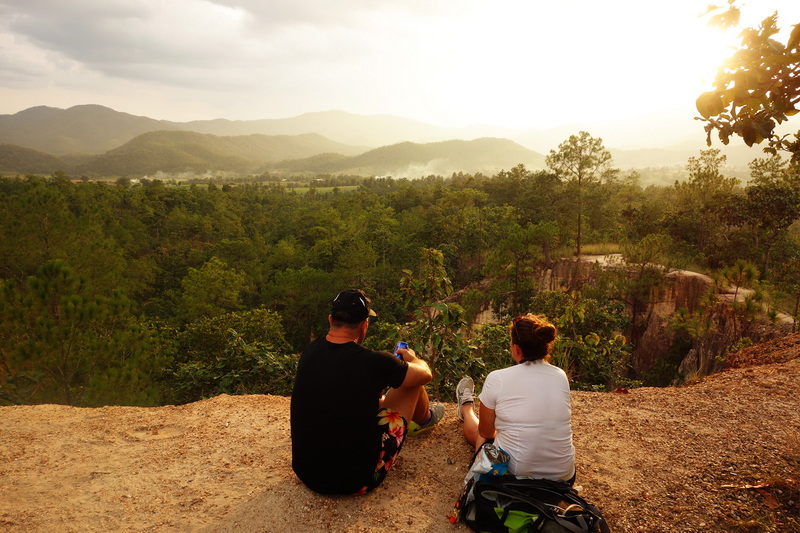
Pai Canyon can work as a contrasting stop after the gentle agricultural setting around the bridge. Its narrow ridges, exposed earth, and elevated viewpoints create a more dramatic landscape, but the paths can be uneven and edges may be exposed. Visitors should wear secure footwear, avoid approaching unstable margins, and allow extra care in strong sun or wet conditions. The attraction is better suited to steady walking and landscape viewing than to hurried movement.
When combining Pai Canyon with Kho Ku So Bridge, confirm the order and available time with the driver or agency. The two places offer different experiences, so a route can feel varied without requiring a long list of stops. Sunset and weather conditions can affect visibility and comfort, but travelers should not assume that a van tour will remain at the canyon for a particular amount of time unless that has been agreed in advance.
Land Split Pai
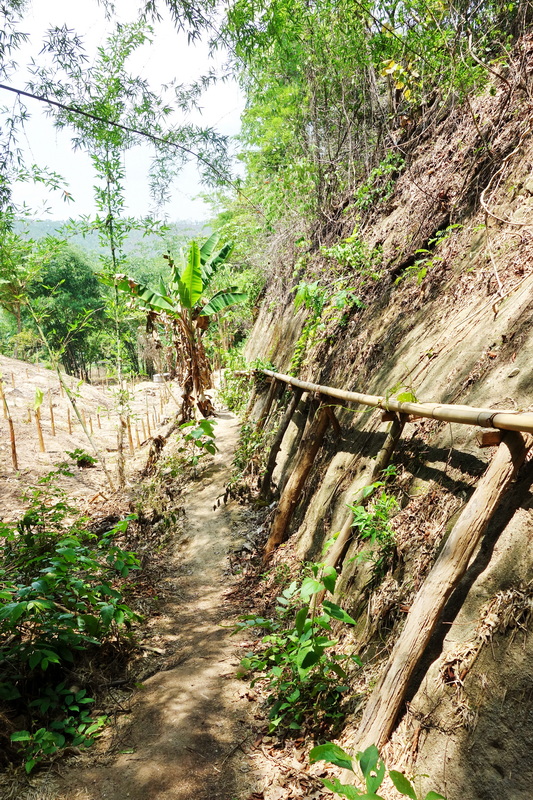
Land Split Pai provides another rural point of interest connected with changes in the local landscape and agricultural surroundings. It is a useful addition for visitors who want to see more than one side of Pai beyond the central town. As with any countryside stop, follow signs and local guidance, respect private property, and avoid treating farmland as an unrestricted walking area.
Its suitability within an organized route depends on road access, the agreed itinerary, and the time available. Ask whether the vehicle can wait while passengers look around and whether the stop is included in the quoted arrangement. Pairing Land Split Pai with Kho Ku So Bridge may appeal to travelers interested in quiet scenery, but a realistic schedule should leave room for walking, photography, and road conditions rather than counting only driving distances.
Using a Chiang Mai Travel Agency with Confidence
A Chiang Mai Travel Agency may help travelers compare shared vans, transfers, and sightseeing arrangements without having to contact multiple operators alone. The useful role of an agency is not simply selling a package; it is clarifying what is actually arranged. Ask for the provider’s name, the type of vehicle, pickup instructions, destination sequence, cancellation terms, and whether entrance fees or meals are excluded. Details can vary, so a written itinerary is preferable to assumptions based on a photograph or a general advertisement.
When discussing Kho Kuu So Bamboo Bridge, use the location and nearby district as well as the attraction name. Explain whether you want a short visit, a route connecting Pai with Mae Hong Son, or transport that ends in Pai. This gives the consultant enough context to suggest a suitable arrangement. It is also sensible to ask whether the vehicle waits at the bridge or simply drops passengers near an access point. Rural attractions may require a short walk, and that should be understood beforehand.
Reliability is best assessed through clarity rather than exaggerated promises. An agency that answers practical questions directly, identifies its local transport partner, and explains what is not included provides more useful information than one that offers vague assurances. Travelers should keep booking messages, contact details, and meeting instructions accessible on the day. If the weather or road conditions affect the plan, ask how changes are communicated and whether an alternative arrangement is possible.
Independent visitors can use an agency for only part of the journey. For example, a traveler might arrange the longer transfer from Chiang Mai while organizing local sightseeing separately after reaching Pai. Others may prefer a coordinated route because they have limited time or do not want to manage mountain transport. Neither approach is automatically better. The right choice depends on comfort, luggage, timing preferences, and how much flexibility the traveler wants during the day.
Making the Journey Feel Manageable
Kho Ku So Bridge is most rewarding when the journey is planned with realistic timing and respect for its rural setting. A shared van can reduce the effort of arranging mountain transport, while an experienced agency can help clarify the route and practical conditions. Confirm destinations, meeting details, waiting times, luggage arrangements, and exclusions before departure. With those basics settled, Pai Canyon and Land Split Pai can be considered as purposeful additions rather than rushed extras. The result is a calmer visit shaped by informed choices, local courtesy, and enough flexibility to appreciate the landscape.


Comments
Post a Comment