Kaew Komol Cave Planning for Van Tours and Group Travel
Kaew Komol Cave Planning for Van Tours and Group Travel
A practical group-travel approach to Mae La Noi, cave etiquette, nearby villages, and flexible van-tour planning
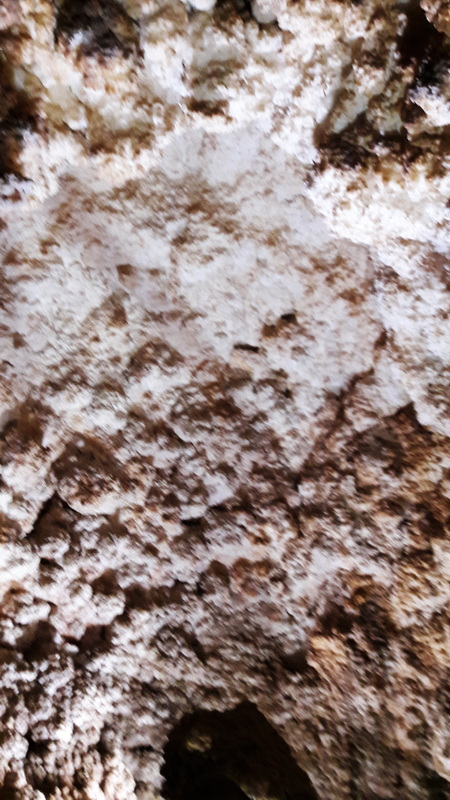
For groups travelling through Mae Hong Son, Kaew Komol Cave can be a rewarding stop between longer stretches of mountain road. Located in Mae La Noi District, the cave adds a distinctive natural attraction to an itinerary that may otherwise focus on viewpoints, villages, and the scenery of the Mae Hong Son region. Its underground formations also give a van group a shared experience that is quite different from an outdoor sightseeing stop. A group visit works best when it is planned as part of a wider route rather than treated as an isolated appointment. The journey from Chiang Mai and movement around Mae Hong Son Province involve winding roads, changing travel times, and different interests within the same vehicle. This guide explains how to prepare for a cave visit, what to discuss with a driver or tour organiser, and how to combine the stop respectfully with nearby community destinations. The aim is practical confidence, not a fixed package or guaranteed schedule.
Where the Cave Fits in a Group Route
Kaew Komol Cave is a useful anchor for a regional itinerary because it places a natural attraction within the Mae La Noi area. Groups travelling through Mae Hong Son can use it as one planned stop among several, allowing the day to include scenery and local context without making the entire schedule depend on a single sight. The exact order of stops should remain flexible, since road conditions, weather, meal breaks, and the pace of the group can affect a mountain journey.
A Chiang Mai To Mae Hong Son Van Tour may suit travellers who prefer to share the road experience while leaving navigation to an experienced driver. When comparing possible arrangements, groups should ask practical questions about the proposed route, how much time is allocated for stops, whether the vehicle can accommodate everyone comfortably, and how changes are handled if the day runs late. These are planning questions rather than assumptions about any particular operator or package.
Before departure, nominate one person to coordinate the group’s questions and collect essential information. A simple shared plan can record the preferred travel dates, approximate route, mobility needs, dietary considerations, and attractions that are most important to different travellers. This prevents repeated discussions at every stop and helps a driver understand which experiences the group considers essential. It is also sensible to allow breathing room instead of filling every hour with destinations.
Coordinating the Journey from Chiang Mai to Mae Hong Son
Groups planning to Visit Mae Hong Son Thailand should treat the road journey as part of the experience rather than only a transfer between attractions. Mountain routes can take longer than expected, and passengers may have different preferences for photography, meals, rest stops, and sightseeing. Agreeing on priorities before departure helps the driver or organiser build a realistic day while leaving room for changes caused by weather, traffic, or the group’s energy levels.
The road journey itself is part of the regional experience. Mae Hong Son’s mountainous setting means that some passengers may feel uncomfortable on winding sections, particularly after a long day. Seating choices, regular pauses where appropriate, water, light snacks, and motion-sickness preparation can make the ride easier. A calm group atmosphere matters too: not everyone needs to photograph every bend, and a considerate pace usually produces a better shared day than a rushed checklist.
Extending the Group Itinerary Beyond the Cave
Once the group has allowed enough time for the underground visit, the wider Mae La Noi area can add depth to the route. These nearby community destinations require a different kind of preparation: the focus shifts from managing a walk to travelling with cultural awareness and leaving room for local preferences.
Ban La-Up

Ban La-Up can complement a cave-focused route by giving the group an opportunity to learn about a local community setting in a respectful, unhurried way. The village should not be treated as a staged backdrop or simply as a photo stop. Before visiting, groups should consider whether local access arrangements, community guidance, or particular etiquette apply, and they should follow any instructions provided on arrival.
A thoughtful group can support the visit by asking permission before photographing people or private spaces, purchasing only what it genuinely wants, and avoiding assumptions about residents’ lives or traditions. Keep voices moderate, remain on appropriate paths, and allow the community to determine how visitors are received. Combining Ban La-Up with the cave works best when the itinerary leaves enough time for observation and conversation rather than rushing from one attraction to the next.
Huai Hom Karen Village
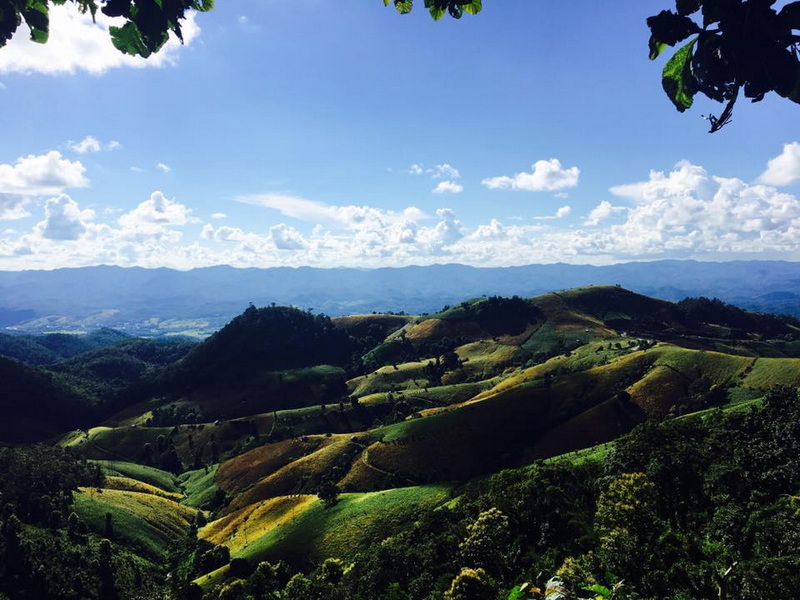
Huai Hom Karen Village offers another possible regional stop for groups seeking a broader understanding of Mae Hong Son beyond its natural scenery. Any visit should be approached as a meeting with a living community, not as an attraction designed solely for visitors. A responsible organiser will clarify what kind of visit is appropriate and will avoid making promises about activities, access, or cultural encounters without confirmation.
Travellers can contribute to a respectful experience by listening, asking before taking photographs, and choosing locally offered goods or services when they are genuinely useful. Avoid generalising about Karen communities or presenting one village as representative of every community in the region. For a van group, the most considerate plan is one that arrives with patience, follows local directions, and accepts that community priorities may take precedence over a pre-set sightseeing timetable.
Preparing for a Comfortable Cave Visit
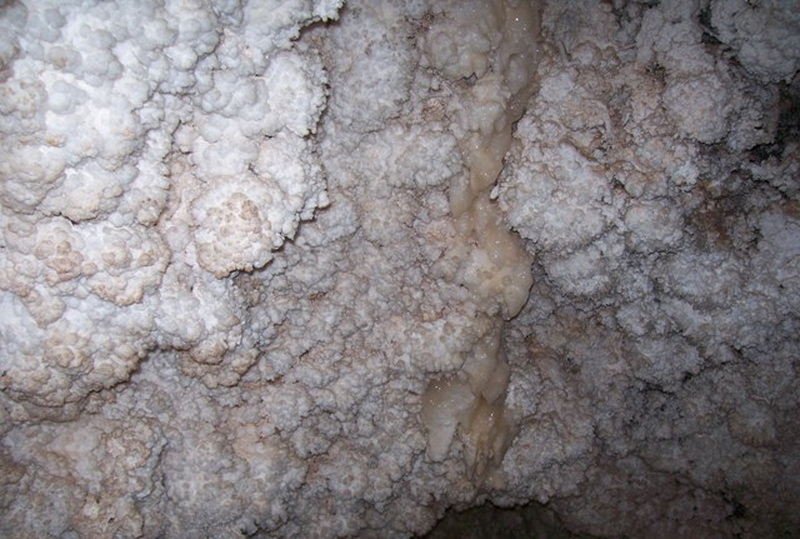
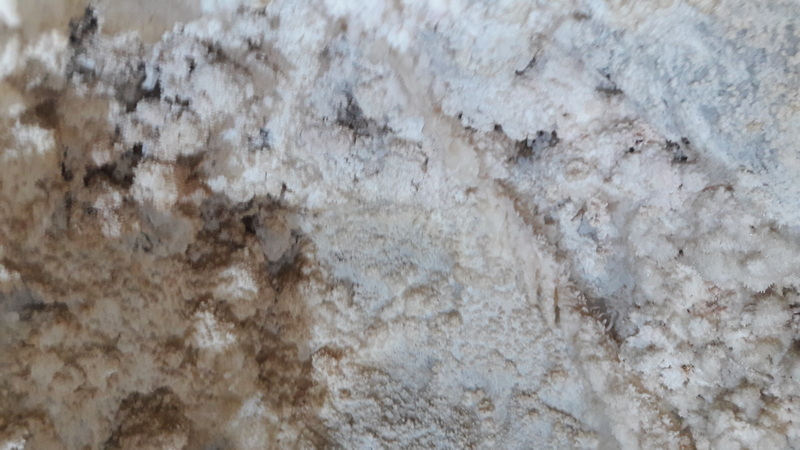
A Kaew Komol Cave Visitor Guide should begin with realistic expectations. Some travellers may also know the site as Tham Kaew Komon, so confirming the destination name with the group and driver can help avoid confusion during planning. This is a natural underground environment, so visitors should be ready for uneven surfaces, damp conditions, limited space in places, and a cooler or more humid atmosphere than outside. Conditions and access arrangements may change, so a group should confirm current visitor information locally before setting out rather than relying on old online comments or an inflexible itinerary.
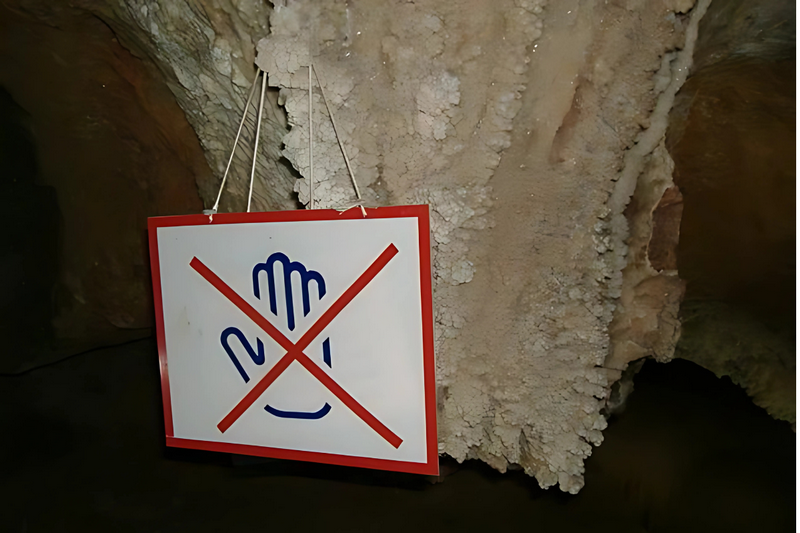
Wear secure footwear and clothing that is comfortable for walking. Shoes with a reliable grip are more useful than fashion footwear, while a light layer can be helpful if the cave feels cool. A small bag is easier to manage than large luggage, and valuables should be kept protected from moisture. Groups should follow staff instructions, stay on designated routes, and avoid touching formations. Cave features develop over long periods and can be damaged by contact, even when a surface appears sturdy.
Group leaders can make the visit smoother by agreeing on a meeting point and a simple procedure before entering. Count participants at the start, keep children and slower walkers within sight, and avoid allowing the front of the group to move far ahead. The person responsible for the group should carry essential contact details and know who may need extra support. Quiet communication is especially helpful underground, where echoes can make ordinary conversation feel louder.
Photography should never take priority over safety or other visitors’ experience. Flash use, tripods, and large equipment may be restricted or inconvenient in confined areas, so visitors should follow local guidance. Do not remove stones, leave marks, or bring food into areas where it is not permitted. These small choices protect the cave and show respect for the people who maintain the site. Anyone with mobility concerns should ask about current access conditions in advance, because natural and managed pathways are not necessarily suitable for every visitor.
Making the Shared Journey Work
A successful Kaew Komol Cave visit is less about fitting the maximum number of stops into one vehicle and more about giving the group a manageable, respectful day. Confirm current conditions, discuss the route clearly, prepare for winding roads and cave surfaces, and keep the timetable flexible. With those foundations in place, the cave can become a memorable part of a wider Mae Hong Son journey, while Ban La-Up and Huai Hom Karen Village offer carefully considered ways to understand the surrounding region. Good group planning leaves space for safety, local guidance, and the different travel rhythms of everyone on board.


Comments
Post a Comment