Cham Dhavi Monument and the Living Heritage of Lamphun
Cham Dhavi Monument and the Living Heritage of Lamphun
A thoughtful cultural journey through Camadevi, Lamphun landmarks, and respectful regional travel
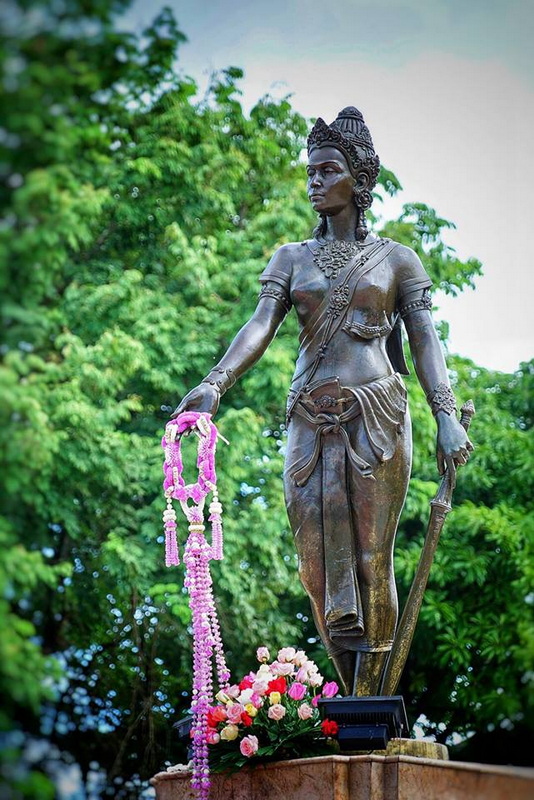
In Mueang Lamphun District, the Queen Cham Dhavi Monument offers more than a brief stop for photographs. It provides a point of entry into the memory of Queen Camadevi, a figure closely associated with the early history of Hariphunchai and with the cultural identity of Lamphun. The monument’s importance comes from this connection between a public statue, local historical tradition, and the continuing respect shown by visitors and residents. For travelers, Camadevi is best understood in context. The monument belongs to a wider landscape of temples, old religious sites, community spaces, and historical references rather than standing alone as an isolated landmark. Exploring it alongside selected Attractions In Lamphun can help visitors appreciate how the city’s heritage is layered across sacred architecture and civic memory. Those considering Chiang Mai Tour Packages may also find Lamphun a valuable cultural extension of a northern Thailand journey, especially when the goal is to look beyond the most familiar urban sights. This overview focuses on meaning, nearby places, and considerate travel habits. It does not treat the statue as a spectacle. Instead, it invites a slower reading of the site: who Queen Camadevi is in local tradition, why her image matters, and how a visit can support genuine appreciation for Lamphun’s heritage.
Camadevi in the Story of Lamphun
Queen Camadevi, also known in Thai historical tradition as Phra Nang Chamthewi, is associated with the founding and early development of Hariphunchai, the historic polity centered in present-day Lamphun. Accounts of her life combine historical memory, religious tradition, and later storytelling, so visitors should recognize that not every detail belongs to the same kind of evidence. What remains clear is the enduring place of her name in Lamphun’s cultural landscape.
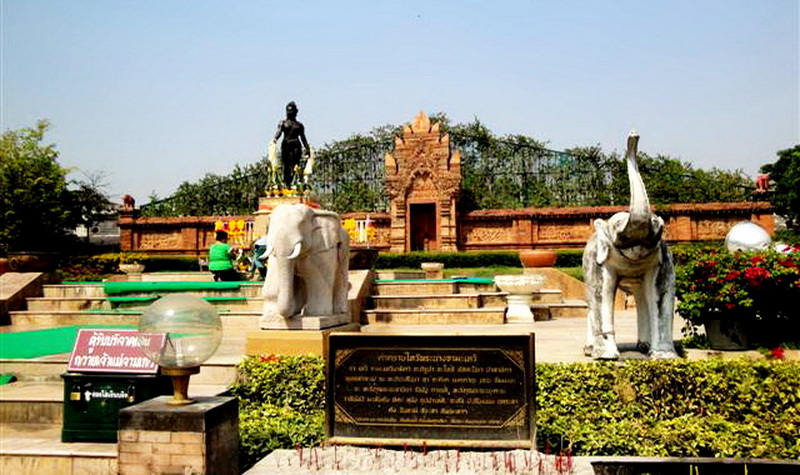
The figure of Camadevi is often connected with leadership, the establishment of an organized community, and the transmission of Buddhist culture in the region. For local audiences, her legacy can therefore carry political, spiritual, and civic meanings at once. The Queen Cham Dhavi Monument gives that memory a visible form, allowing public space to become a place where history is recalled and respect is expressed.
Rather than asking whether the monument tells one complete version of the past, a thoughtful visitor can ask what its continued presence reveals about Lamphun today. Monuments preserve selected memories, and those memories remain meaningful because communities continue to recognize them. Viewing the statue in this way encourages curiosity without reducing local heritage to a simple legend or a single date.
Reading the Queen Cham Dhavi Monument
The monument is commonly identified through several names, including the Camadevi Monument, Camadevi Statue, and Queen Camadevi Statue. These variations reflect the different spellings and transliterations used when Thai names are rendered in English. They refer readers toward the same cultural subject: the honored queen whose memory is associated with Lamphun’s beginnings.
A statue such as this can be read on several levels. Its royal representation communicates dignity and authority, while its placement in the city connects an individual figure with the public identity of Lamphun. The image does not function only as decoration. It is part of a local conversation about origins, leadership, religious heritage, and the responsibilities of remembering the past.
Visitors may notice people paying respects, making offerings, or pausing quietly near the monument. Customs can vary, and observation is usually more appropriate than imitation unless a person understands what is being done and can participate without disturbing others. The most respectful approach is calm and unobtrusive: speak softly, avoid climbing or touching the statue, and allow devotional activity to continue without interruption.
Photography should also be guided by awareness. A wide view of the site may be less intrusive than photographing worshippers at close range. When the monument is approached as a living place of remembrance rather than a prop, even a short visit can become more attentive and meaningful.
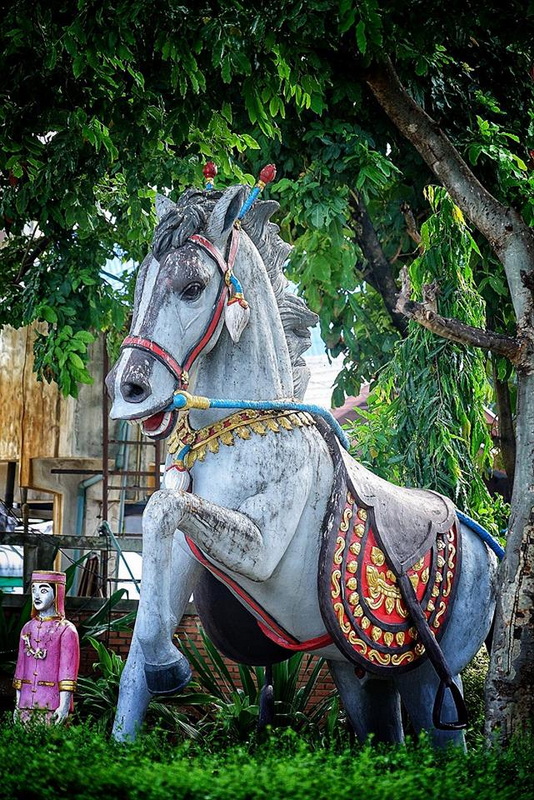
Lamphun as a Connected Heritage Landscape
One reason to include the Cham Dhavi Monument in a wider visit is that Lamphun’s heritage is distributed across related sites. Temples, old stupas, monuments, and local streets each present a different layer of the city’s story. The result is not a single attraction with a complete narrative, but a cultural landscape in which religious practice, architecture, and historical memory meet.
This broader perspective is useful for travelers searching for Attractions In Lamphun. A visit can move from the public remembrance of Queen Camadevi toward temple compounds where Buddhist traditions remain active. At each place, the visual experience may be important, but the social and spiritual purpose of the site deserves equal attention. Buildings should not be treated only as backdrops; they are often part of ongoing community life.
Lamphun also rewards visitors who leave space for observation. The city’s significance may appear in details that are easy to overlook: the relationship between a monument and its surroundings, the rhythm of temple activity, or the way residents use public areas. A slower pace helps connect the story of Camadevi with the living city rather than placing the past in a sealed historical category.
For culture-focused travelers, this approach creates a more balanced experience. The monument introduces an important figure, while nearby religious and civic sites show how heritage continues to be interpreted, cared for, and experienced by people in the present.
Including Lamphun in Chiang Mai Travel Planning
Lamphun is geographically close to Chiang Mai and can complement a northern Thailand journey focused on history and temples. Travelers comparing Chiang Mai Tour Packages may wish to look for programs or travel plans that allow time for cultural sites outside the main city. The value of including Lamphun is not simply that it adds another stop; it changes the regional perspective by introducing Hariphunchai heritage and a different urban atmosphere.
Package descriptions can vary considerably, so cultural travelers should read the scope of any Chiang Mai Tour Packages carefully and confirm which destinations are actually included. Since this article does not provide booking details or fixed itineraries, the practical principle is straightforward: allow enough time to encounter Lamphun without rushing through the monument and surrounding heritage sites. A short, hurried visit may identify the landmark but miss its context.
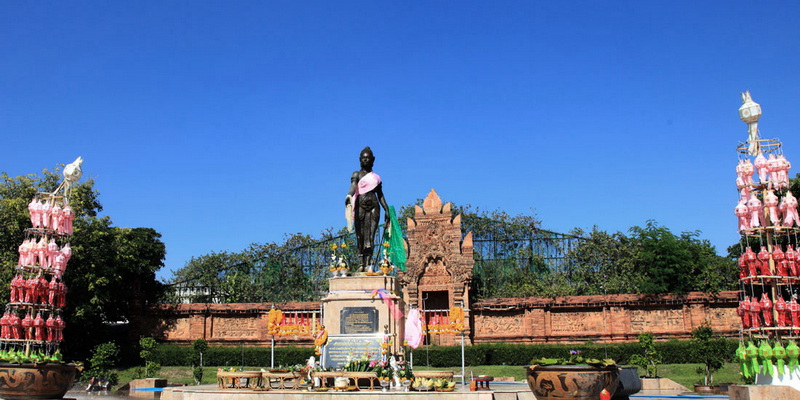
Independent visitors can apply the same idea without a formal package. Before arriving, learning the basic story of Queen Camadevi and the historical name Hariphunchai can make the monument easier to understand. It is also helpful to distinguish between established historical interpretation, religious tradition, and popular retelling. This distinction does not diminish the story; it shows respect for the many ways communities preserve the past.
Whether Lamphun appears as part of a wider regional plan or as the main purpose of a day’s exploration, the strongest travel experience is one that gives heritage priority over collecting photographs. The city’s importance becomes clearer when visitors make room for attention, patience, and local dignity.
A Considerate Way to Visit
A respectful visit begins with recognizing that the Queen Cham Dhavi Monument may be meaningful to local people in ways that are not immediately visible to an outside observer. Dress should be suitable for a public cultural setting, especially when a visit continues to nearby temple grounds. Visitors should follow posted guidance, remain aware of boundaries, and avoid behavior that turns a place of reverence into an entertainment setting.
It is useful to keep conversations and movement quiet around people who are praying or making offerings. Do not handle ritual objects, rearrange offerings, or assume that every ceremony is available for observation at close range. If a local custom is unfamiliar, watching from a respectful distance is generally better than copying it casually.
Travelers can also contribute by supporting the ordinary life of the destination: treating public spaces carefully, avoiding litter, and showing patience when the area is busy. Ethical tourism is not limited to formal donations or purchases. It includes the simple decision to let residents, worshippers, and caretakers use the site without unnecessary disruption.
The monument is especially rewarding when approached with humility. Visitors do not need to agree on every interpretation of Camadevi’s story to appreciate why the figure matters. Listening, learning, and leaving the site in good condition are practical ways to honor both the historical memory and the living community connected with it.
Nearby Attractions
Wat Phra Yuen
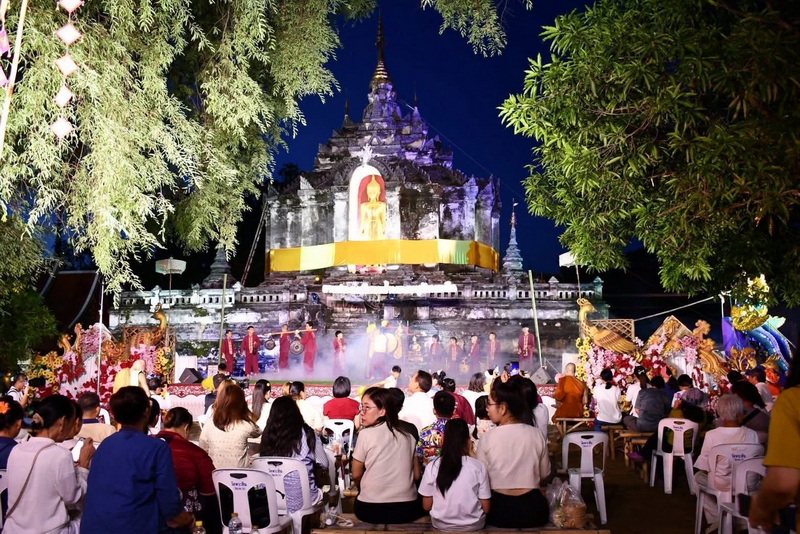
Wat Phra Yuen adds a religious and architectural dimension to a Lamphun heritage visit. The temple is associated with a distinctive historic setting and offers an opportunity to consider how Buddhist institutions have shaped the region’s identity over time. Its significance is best approached through quiet observation of the compound, its devotional spaces, and the relationship between architecture and active religious life.
When visiting after the Camadevi Monument, travelers can compare two forms of cultural remembrance: the public honoring of a historical queen and the continuing practice found within a temple. Appropriate clothing, restrained photography, and awareness of worshippers help preserve the site’s dignity.
Kruba Sri Wichai Monument
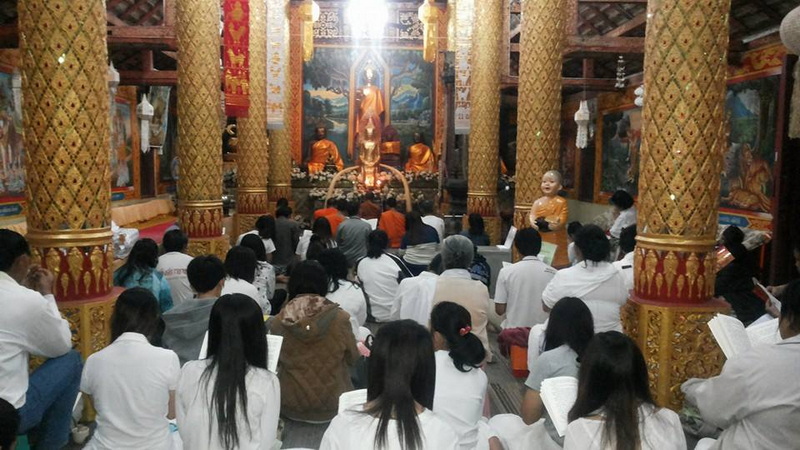
The Kruba Sri Wichai Monument introduces another respected figure from northern Thai religious and cultural history. Kruba Sri Wichai is remembered as an influential monk, and monuments dedicated to him reflect the esteem associated with his life and regional importance. Including this site alongside the Camadevi Monument broadens a visitor’s understanding of how Lamphun commemorates people connected with spiritual leadership and community identity.
The two monuments should not be treated as interchangeable attractions. Each belongs to a different historical and religious context. Taking time to read signs, observe local behavior, and consider the distinct meaning of each figure can turn a sequence of stops into a more thoughtful exploration of Lamphun’s heritage.
Bringing the Experience Together
The Cham Dhavi Monument offers a focused introduction to Camadevi, but its deepest meaning emerges through the wider cultural landscape of Lamphun. Queen Camadevi’s story, the city’s temples, and its other commemorative sites show how history can remain present without becoming frozen. Travelers arriving through Chiang Mai Tour Packages or arranging their own regional visit can approach the monument with patience, cultural awareness, and respect for local practice. In doing so, they gain more than a landmark photograph: they encounter a place where memory, faith, and community continue to shape the identity of Lamphun.


Comments
Post a Comment