Pong Nam Ron Thapai and the Regional Route from Chiang Mai
Pong Nam Ron Thapai and the Regional Route from Chiang Mai
A practical regional guide to van travel, warm waters, forest surroundings, and nearby Pai attractions
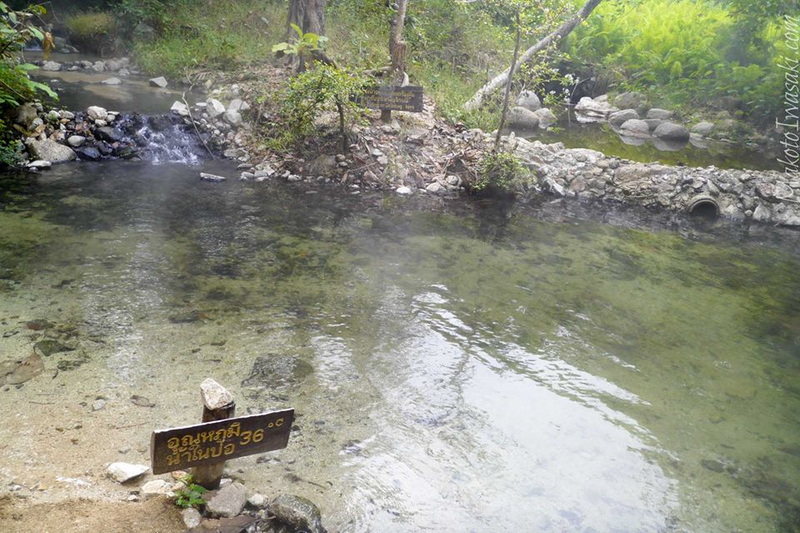
Pong Nam Ron Thapai, also known as Tha Pai Hot Spring, is a natural attraction in Pai District, Mae Hong Son. Set within a forested national park landscape, the spring offers a quieter way to understand the area’s geothermal character than simply treating Pai as a town stop. Warm pools, shaded paths, and the surrounding hills create an experience that depends as much on timing and respectful behavior as on the water itself. For travelers arriving from Chiang Mai, the journey is part of the planning question. A Chiang Mai To Mae Hong Son Van Tour can connect the two regions, but the winding mountain route and the practical limits of shared transport mean that a visit to the spring should be discussed before departure. Some travelers use a van to reach Pai and then arrange local transport for the attraction, while others choose an itinerary that includes several regional stops. This article places the hot spring within that broader travel pattern, then connects it with Mor Paeng Waterfall and Tha Pai Memorial Bridge.
Reading the Landscape Around Tha Pai Hot Spring
Tha Pai Hot Spring lies in a green valley setting south of Pai, within the wider natural environment of Mae Hong Son Province. The attraction is associated with Huai Nam Dang National Park, where streams, forest, and steep northern hills shape the scenery. The journey from Pai gradually leaves the busier town area and enters a more rural landscape, making the spring feel connected to the region rather than isolated as a single sightseeing point.
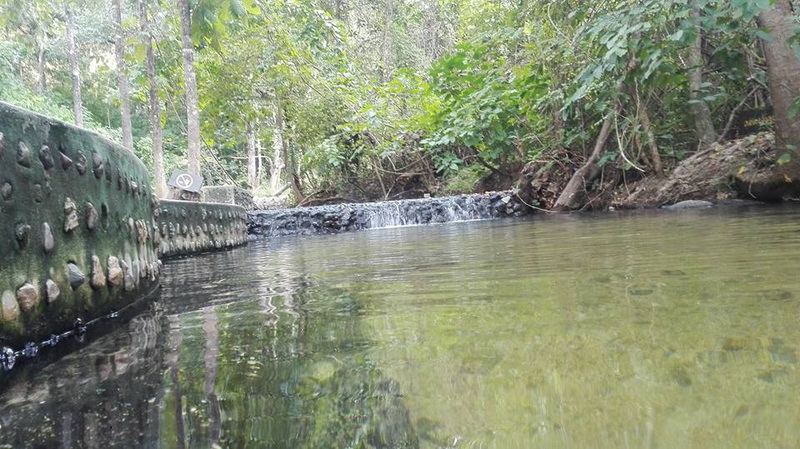
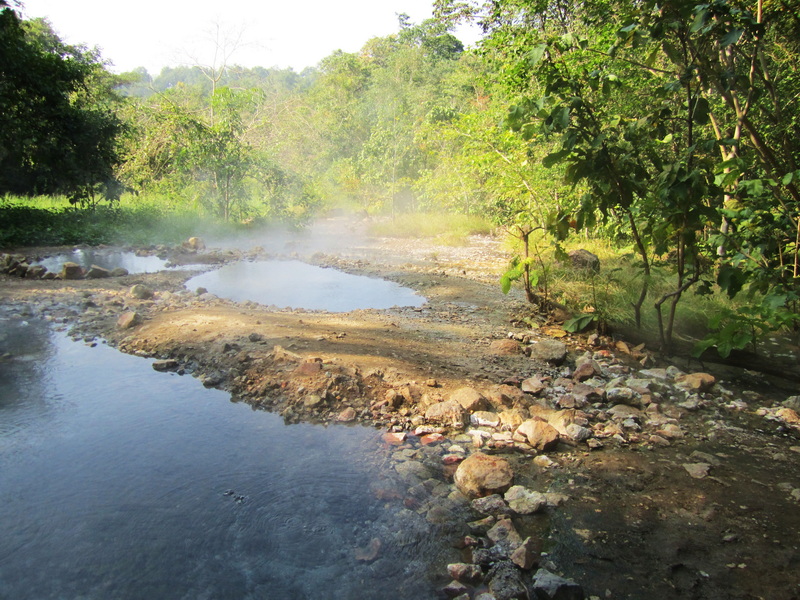
The spring’s water emerges from underground heat and forms a series of pools and flowing channels. The hottest area is not intended for bathing, while designated bathing areas are cooler and more suitable for visitors. Water temperature can vary, so caution is sensible even where a pool appears calm. The natural setting is best appreciated slowly: notice the sound of moving water, the shade of the trees, and the changing atmosphere between open areas and forest paths.
A visit also provides useful context for understanding Mae Hong Son Thailand Attractions. Many of the province’s points of interest are shaped by mountains, rivers, forests, and local routes rather than by dense urban development. Tha Pai Hot Spring Mae Hong Son therefore works well as part of a nature-focused day, especially for travelers who want to balance scenic stops with time outdoors.
Using Van Travel from Chiang Mai
The road between Chiang Mai and Pai follows a famously winding mountain route, and the onward journey toward Mae Hong Son continues through hilly terrain. A Chiang Mai To Mae Hong Son Van Tour may be useful for travelers who prefer not to drive, particularly when the itinerary covers several communities and natural sites. Shared or arranged vans can reduce the pressure of navigating bends, but they do not automatically provide unlimited time at every attraction.
Before choosing a van itinerary, ask whether Tha Pai Hot Spring is an included stop, an optional detour, or a place that must be reached independently after arriving in Pai. This distinction matters because a regional transfer and a sightseeing tour serve different purposes. A transfer may focus on reaching the next town, whereas a sightseeing vehicle usually allows more flexibility for walking, changing clothes, and waiting between visits. Confirm the meeting point, luggage arrangements, road plan, and expected stop duration in advance.
The route can be physically demanding for some passengers because of repeated curves and changes in elevation. Carrying water, keeping essential medication accessible, and allowing breaks can make the journey more comfortable. Travelers who are sensitive to motion may prefer a forward-facing seat where possible and should avoid planning a tightly timed connection immediately after arrival. These are simple preparations, but they help preserve energy for the spring and other regional attractions.
For an independent traveler, one practical approach is to regard Pai as the base for the local portion of the journey while using a Chiang Mai van for the longer intercity leg. That arrangement separates transport decisions: the van handles the mountain connection, and local transport handles the short trip to the spring. Another option is a multi-stop regional tour, provided its route gives enough time for the hot spring rather than viewing it only from a schedule.
What to Expect at Pong Nam Ron Thapai
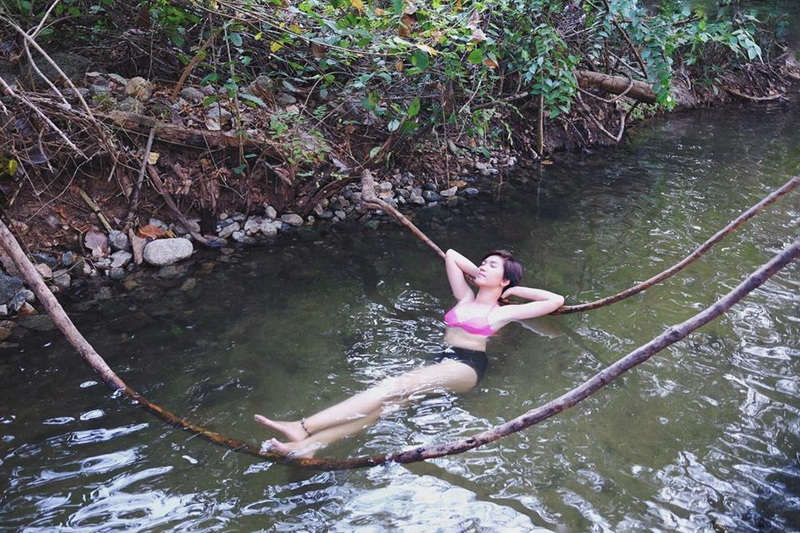
Visitors approaching Pong Nam Ron Thapai should expect a natural recreation area rather than a polished resort. Paths lead through a wooded environment, and the pools differ in temperature and appearance. The hottest source area is a geological feature to observe from a safe distance. Where bathing is permitted, follow posted guidance and use only the pools intended for visitors. Do not assume that water which looks clear is safe at every point.
A small towel, spare clothing, sandals with a secure grip, drinking water, and sun protection are useful additions to a day bag. The forest can feel cooler than exposed roads, but walking and warm water may still make hydration important. Visitors should also be prepared for wet surfaces and uneven ground. Conditions can change after rain, so footwear and careful steps are more valuable than trying to move quickly between pools.
The most considerate behavior is straightforward. Keep voices moderate, avoid blocking paths, take rubbish away or place it in the correct bins, and respect other visitors’ privacy around bathing areas. Do not enter restricted sections or touch the hottest water source. The attraction is part of a protected natural setting, so leaving plants, rocks, and stream edges undisturbed helps preserve the experience for later visitors.
A Tha Pai Hot Spring Visitor Guide is most useful when it treats the attraction as a place with limits. The spring is not simply a warm swimming pool, and visitors should not expect every area to be available for soaking. Conditions, access arrangements, and facilities may change, so checking current local information before setting out is sensible. If traveling with children, keep them close to designated areas and explain that the natural source can be dangerously hot.
Building a Mae Hong Son Nature Day
The hot spring can anchor a half-day or full-day plan around Pai, depending on transport and how long travelers wish to walk and rest. Rather than collecting as many stops as possible, consider grouping experiences by landscape. The spring offers geothermal water and forest shade; a waterfall adds a stream environment; and a historic bridge introduces the road’s social and wartime history. This creates a more coherent regional day than a list of unrelated photo stops.
Travelers coming from Chiang Mai should be realistic about distance. A long intercity van journey followed by several local attractions may be tiring, particularly when the road is busy or weather conditions slow progress. A slower plan can leave room for meals, rest, and changes in weather. It also gives visitors a better chance to observe the countryside respectfully instead of treating villages and working landscapes as scenery passing behind a vehicle window.
For those researching a Tha Pai Hot Spring Travel Guide, the central decision is whether the visit is a brief stop or the main outdoor experience of the day. A brief stop requires advance coordination with the driver and attention to entry procedures. A main experience allows more time for the pools, paths, and surrounding environment. Neither approach is automatically better; the suitable choice depends on transport, energy, and personal interest in nature.
Regional travel also benefits from flexibility. Mountain roads can affect arrival times, and rain may change the comfort of walking or visiting a waterfall. Keep the plan adjustable, carry only what is needed, and avoid promising more stops than the day can reasonably support. This approach is particularly helpful for independent travelers who are combining public or shared transport with short local rides.
Respecting Place, People, and Protected Land
Mae Hong Son is not an empty wilderness created solely for visitors. Forest areas, roads, farms, and communities form a living regional landscape, and tourism is only one part of it. Travelers should avoid turning local culture into a performance or making assumptions about ethnic communities based on appearance or brief encounters. A neutral, curious attitude is more respectful than seeking staged experiences or treating residents as photographic subjects.
Protected natural areas also require attention to practical rules. Stay on marked routes, observe signs around hot water, and follow instructions from park staff. Fires, loud music, litter, and collecting natural materials can damage a place that appears resilient but may recover slowly. If a pool or path is closed, treat the closure as part of responsible access rather than an inconvenience to bypass.
These habits make a visit to Thapai Hot Spring more meaningful. The attraction’s appeal comes from the relationship between underground heat, flowing water, forest, and mountain geography. Preserving that relationship depends on many small choices by visitors. A van tour, a self-arranged day, or a wider Mae Hong Son itinerary can all support low-impact travel when the schedule leaves room for care and attention.
Nearby Attractions
Mor Paeng Waterfall
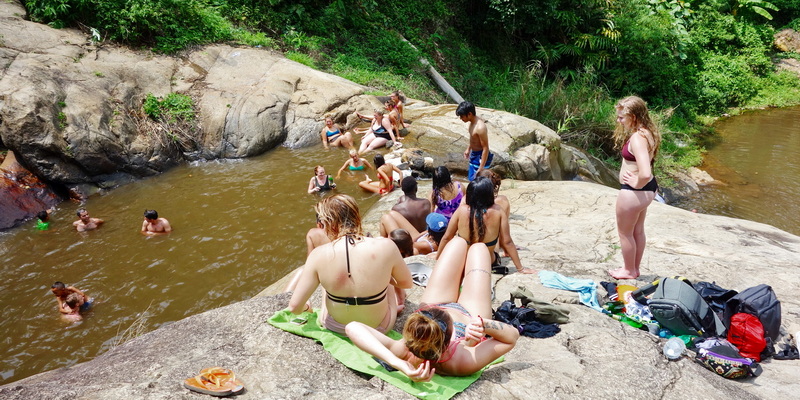
Mor Paeng Waterfall is a natural stop in the Pai area known for flowing water over smooth rock and a setting suited to a short outdoor visit. Conditions vary with the season, so the amount of water, footing, and suitability for entering the pools should be judged on the day. Travelers should follow local guidance rather than assuming every rock or pool is safe.
Pairing Mor Paeng Waterfall with Tha Pai Hot Spring creates a contrast between moving stream water and geothermal warmth. Allow enough time for changing clothes and drying equipment, especially if the attractions are visited in the same day. A local driver or tour coordinator can help confirm the practical order of stops, while independent visitors should leave flexibility for road conditions.
Tha Pai Memorial Bridge
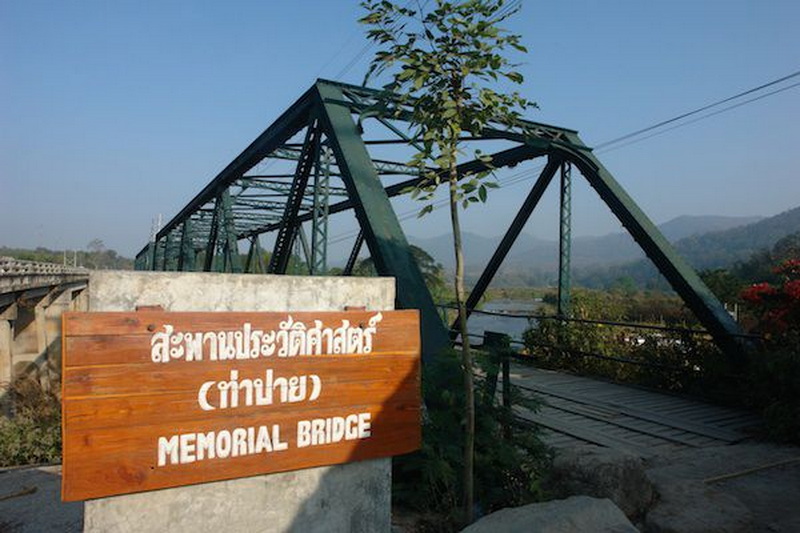
Tha Pai Memorial Bridge stands across the Pai River and is associated with the history of wartime road construction in the region. Its weathered structure and river setting offer a different perspective from the forested hot spring. The site is best approached as a place of remembrance and historical context, not merely as a scenic prop.
A stop at the bridge can fit naturally before or after Pong Nam Ron Thapai, depending on the day’s route. Keep clear of traffic and respect any local signs or restricted areas. Taking time to learn why the bridge matters adds depth to a Mae Hong Son journey, showing how roads and crossings have shaped movement through the mountains.
Bringing the Experience Together
Pong Nam Ron Thapai is most rewarding when approached as one part of a regional journey. A van from Chiang Mai can simplify the mountain connection, but the local visit still needs realistic timing, suitable transport, and attention to changing conditions. With Mor Paeng Waterfall and Tha Pai Memorial Bridge offering different natural and historical perspectives, travelers can build a varied day without rushing. Pack lightly, follow safety guidance around the water, and treat the forest and surrounding communities with care. That balance turns a simple hot spring stop into a more informed experience of Pai District and Mae Hong Son.


Comments
Post a Comment