Patara Elephant Farm as a Practical Care Experience Guide
Patara Elephant Farm as a Practical Care Experience Guide
A decision guide for evaluating elephant care, training questions, visitor fit, and nearby activity choices in Chiang Mai
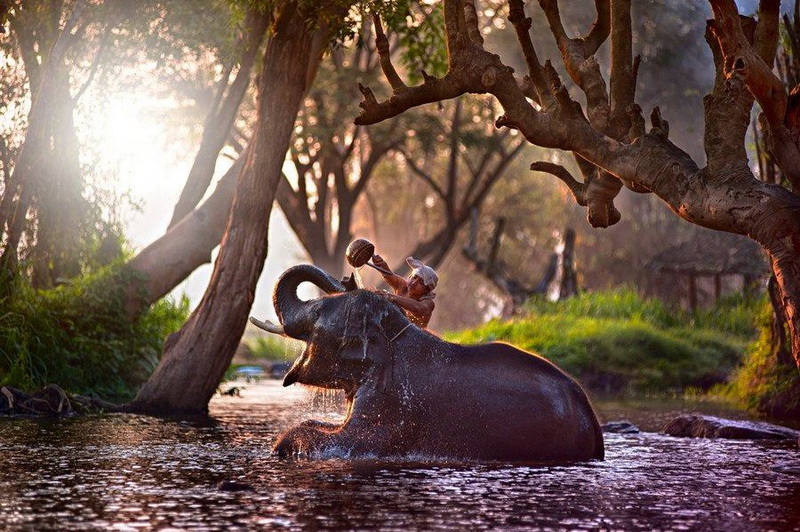
Choosing an elephant visit is not only a question of where to go. It is also a question of what the visitor is prepared to notice, ask, and accept. Patara Elephant Farm, in Hang Dong District, Chiang Mai, can be assessed through those practical decisions rather than through photographs or promotional descriptions alone. A useful plan begins by identifying the purpose of the visit, checking how elephant welfare is explained, and considering whether the activities suit the people in the group. This approach is especially helpful for travelers comparing Chiang Mai Elephants Care Tours, because similar-sounding experiences may place very different expectations on both visitors and elephants. It also leaves room to examine what Patara Elephant Training means in practice without assuming that every program uses the same methods or offers the same level of participation. The guide below is arranged as a set of choices: what to look for, what to clarify, who may enjoy the experience, and how to decide whether an additional outdoor activity is appropriate.
Decide what you need from the visit
Begin with a simple personal question: what would make the visit worthwhile for you? Some travelers want an introduction to daily elephant care. Others are interested in learning how keepers describe behavior, feeding, handling, or training. Families may need a calm activity with clear boundaries, while photographers may need to accept that the best visit will not be organized around posed contact. Naming the purpose in advance helps prevent a mismatch between expectation and experience.
The phrase Chiang Mai Elephants Care Tours can cover several styles of activity, so the name alone does not tell you enough. Before choosing, look for clear descriptions of what visitors are invited to do, what they are asked not to do, and how the elephants’ needs influence the program. A strong description should help you understand whether the visit is mainly educational, participatory, observational, or a combination. If the information is vague, treat that uncertainty as a reason to ask questions rather than as an invitation to assume the most exciting version.
Your own limits matter as well. Consider walking tolerance, heat, mobility, attention span, and comfort around a very large animal. A visitor who prefers a slower pace may value explanation and distance more than physical involvement. Someone seeking a high-energy Chiang Mai Adventure may need to separate that desire from the elephant visit, since an elephant-care setting should not be judged by the same standards as an outdoor sport.
Use welfare indicators instead of marketing language
When reading descriptions or Patara Elephant reviews, look for concrete information rather than broad claims. Useful details include whether the welfare of individual elephants is discussed, whether visitors receive behavioral guidance, and whether the program acknowledges that an elephant may not always respond in the way a guest expects. A clear explanation of boundaries is more informative than a promise of constant interaction.
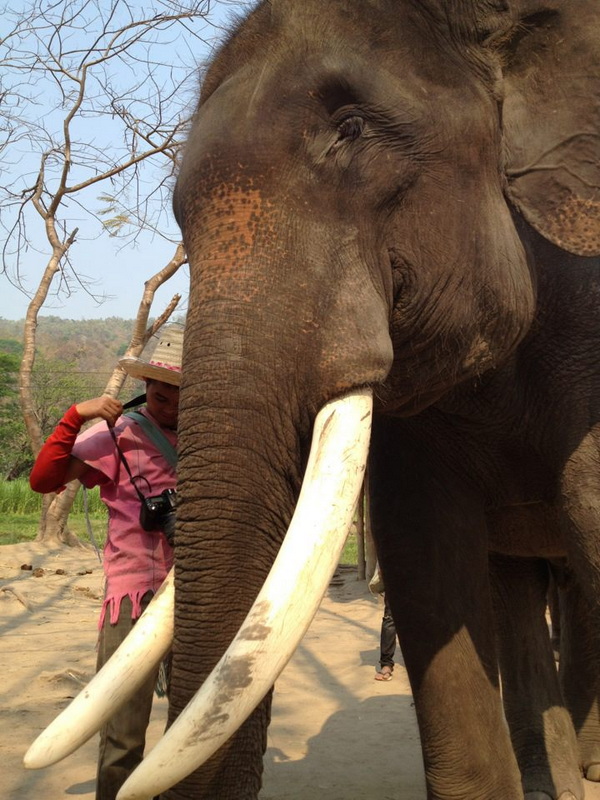
Pay attention to the role of the staff. Visitors should be able to identify who explains the activity, who monitors the elephants, and how instructions are communicated to the group. The presence of guidance does not prove that every practice is suitable, but the absence of any explanation makes informed judgment difficult. Ask whether the schedule or activity can change when an elephant appears tired, unsettled, or otherwise unsuitable for a particular interaction. The important issue is whether animal needs can affect the visitor experience.
Photography is another useful decision point. Ask whether guests are expected to approach, touch, feed, pose, or wait for a particular response. A visit that explains where to stand and when to pause gives travelers a practical way to reduce pressure on the animals. Visitors should also be prepared to put away a camera when staff indicate that attention needs to remain on safety or animal behavior. This is a specific conduct choice, not merely a general statement about being respectful.
No short visit can answer every question about long-term welfare. Avoid treating one pleasant encounter as complete proof of an organization’s standards. Instead, compare the information provided, the clarity of the staff’s guidance, and the consistency between stated care principles and what guests are actually asked to do.
Ask what Patara Elephant Training actually includes
The term Patara Elephant Training can mean different things to different readers. It may refer to the way elephants are prepared for care routines, the way handlers guide daily activities, or a program that allows visitors to learn about training methods. Do not fill in the gaps from assumptions. Ask what the phrase means at this particular farm and which parts, if any, visitors are expected to witness or take part in.
Useful questions can be specific without being confrontational. How are instructions given to an elephant? What happens if the animal does not cooperate? Are there activities that visitors cannot join? How do staff explain the difference between a routine care action and a performance? These questions focus on method and limits rather than demanding a dramatic demonstration.
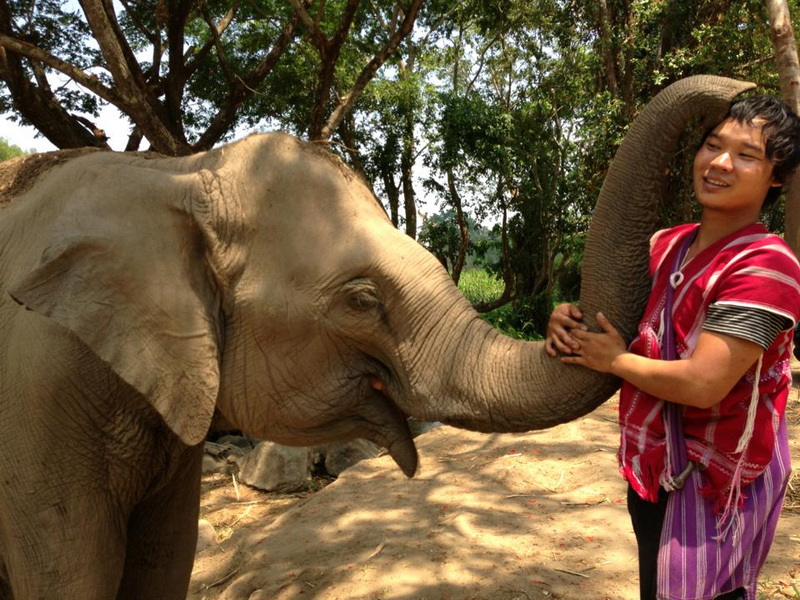
Training should also be considered alongside the elephant’s physical condition and temperament. Visitors can ask how staff account for age, health, mood, and previous experience when planning an activity. The answers may not provide a complete assessment, but they can reveal whether the program recognizes individual differences. If a description presents every elephant as equally available for the same interaction, it may not give enough context for a careful decision.
One long search phrase sometimes associated with this topic is Patara Elephant Chiang Mai Elephant Training Program At Patara Elephant Farm. Rather than treating that wording as a guarantee of a fixed experience, use it as a prompt to verify the current description directly. Program names and visitor roles can change, while an informed traveler needs to know what is actually offered and what responsibilities remain with staff.
Match the experience to the people in your group
A care-focused visit may suit travelers who enjoy listening, asking questions, and adjusting their expectations. It may be less suitable for anyone who wants a fast sequence of physical activities or guaranteed close contact. Children can benefit from clear preparation about voices, movements, personal space, and the possibility that an activity may change. Adults should model those limits rather than encouraging children to seek a stronger reaction from an elephant.
Visitors with mobility concerns should ask about the amount and type of movement involved before committing. The relevant issue is not whether an experience sounds adventurous; it is whether the group can follow instructions without rushing or becoming fatigued. Travelers who are sensitive to heat, dust, or crowded settings should also consider whether they can remain attentive throughout the visit. A lower level of participation may be the more suitable choice for some people.
Group behavior can influence the quality of the encounter. Keep voices controlled, avoid sudden gestures, and follow the staff member who is supervising the activity. Do not assume that an elephant wants to be approached because it is nearby. Do not offer food or attempt contact unless that action is clearly directed. These are straightforward visitor decisions that reduce confusion and make it easier for staff to respond to the animals.
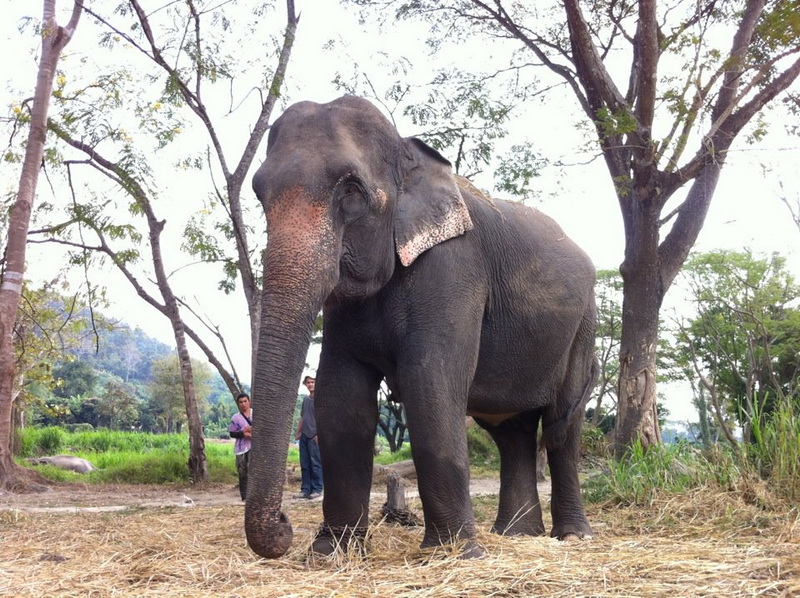
This is also where the idea of a Chiang Mai Adventure needs a realistic definition. Adventure does not have to mean making an elephant encounter more intense. It can mean choosing an activity that matches your abilities, accepting changing conditions, and learning how a managed animal experience differs from a recreational outing.
Choose an additional activity by practical fit
If you plan to add another outing, decide first whether the group has enough energy and attention for it. Avoid selecting a second activity simply because it appears on the same list of attractions. Consider the desired pace, the amount of walking involved, weather tolerance, and whether the second experience requires a completely different kind of concentration. This makes the itinerary easier to judge on its own terms.
A national park visit may appeal to travelers who want scenery and a change of setting, but it should not be described as a continuation of elephant care. A horse-riding outing may appeal to people seeking movement and outdoor skill, yet it also involves an animal, equipment, instruction, and personal responsibility. Treat each choice as a separate commitment. The fact that both activities are connected to nature does not make them interchangeable.
Leave enough flexibility to stop after the farm if the group is tired or if the care visit raises more questions than expected. A shorter plan can be preferable to adding an activity that receives little attention. The best choice depends on the travelers’ abilities, interests, and willingness to follow the conditions of each setting, not on how many experiences can be listed in one day.
Nearby Attractions
Ob Luang National Park
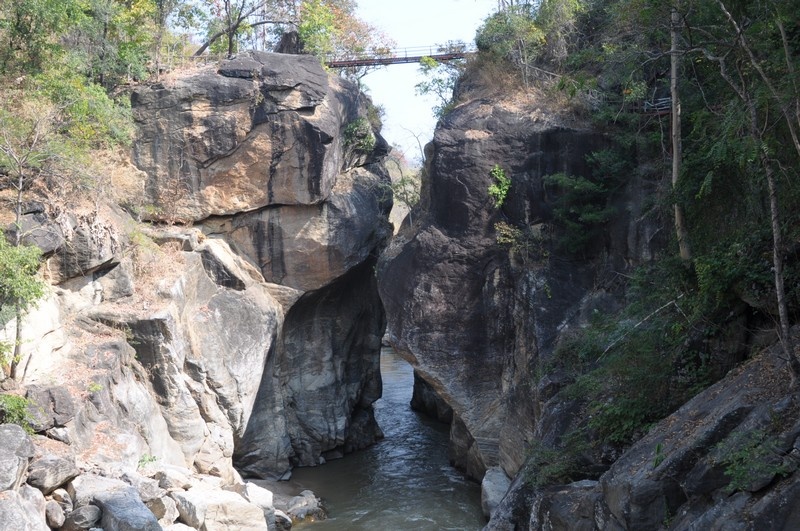
Choose Ob Luang National Park when the group wants a landscape-focused outing and has the energy for a different kind of visit. It offers a useful contrast in scale: the focus shifts away from managed animal care toward terrain, vegetation, and outdoor conditions. Before adding it, consider walking ability, heat tolerance, weather, and the time needed to appreciate the setting without hurrying.
This option is best assessed as its own nature experience. It should not be presented as evidence of elephant welfare or as a required addition to Patara Elephant Farm. Travelers who prefer a slower day may decide that one carefully considered activity is enough.
Chiang Mai Horse Riding Adventure
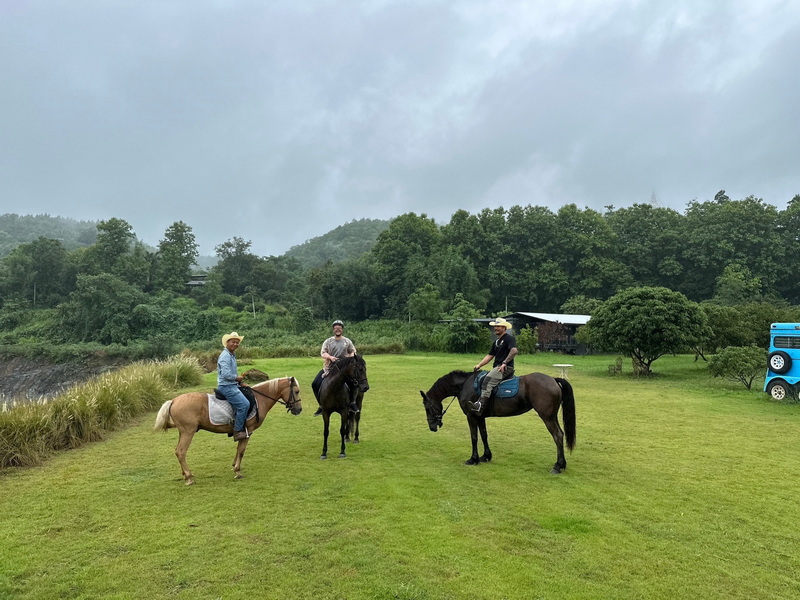
Chiang Mai Horse Riding Adventure may suit travelers who want guided movement and an activity with a physical element. The decision should depend on previous riding experience, comfort around horses, balance, and the ability to follow instructions. Anyone choosing it should ask what level of participation is appropriate and whether the outing can accommodate beginners or less confident riders.
Because this is another animal-related activity, compare the expectations rather than combining the two automatically. An elephant-care visit and a horse-riding experience involve different animals, skills, and forms of supervision. Selecting both only makes sense when the group has the energy and interest to approach each one on its own terms.
Bringing the Experience Together
Patara Elephant Farm is easiest to evaluate when the decision is broken into manageable questions: what does the visit include, how are boundaries explained, what does Patara Elephant Training refer to, and can everyone in the group follow the required conduct? Clear answers will not remove every uncertainty, but they give travelers a firmer basis for choosing. The same method applies to any added activity. Select Ob Luang National Park for a landscape-based outing or Chiang Mai Horse Riding Adventure for guided riding only when the conditions, abilities, and interests of the group align. A well-chosen visit is not defined by the number of interactions or stops. It is defined by whether the information was clear before arrival and whether the people taking part were prepared to adjust their behavior once they were there.


Comments
Post a Comment