Kam Ko Temple and Van Tour Connections in Mae Hong Son
Kam Ko Temple and Van Tour Connections in Mae Hong Son
A practical look at temple visits, shared road travel, and nearby cultural stops in Mae Hong Son
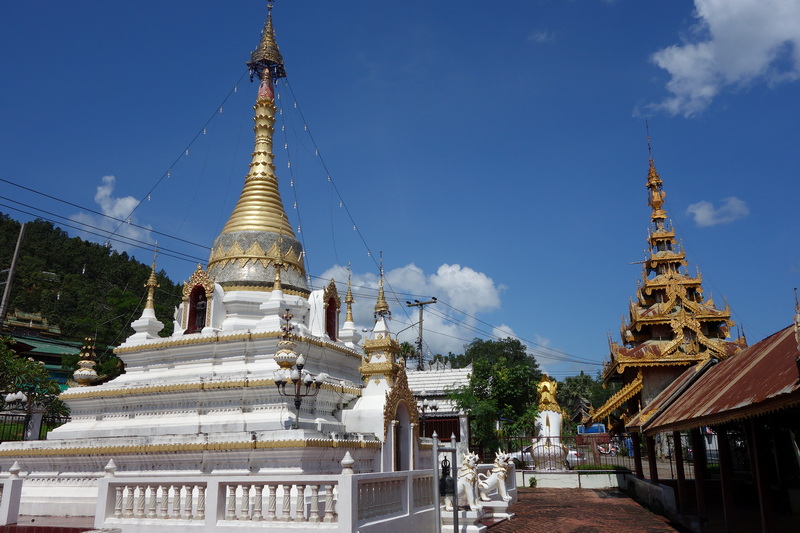
Kam Ko Temple, also known as Wat Kam Ko, offers a quiet cultural stop within Mueang Mae Hong Son District. It is the kind of place that rewards a slower visit: travelers can observe the temple grounds, appreciate local religious architecture, and consider how Buddhist sites remain part of everyday community life. Rather than treating the temple as an isolated photo stop, it makes sense to view it as one piece of a wider journey through Mae Hong Son Thailand Attractions. For visitors arriving from Chiang Mai, road travel is an important part of the planning. The phrase Chiang Mai To Mae Hong Son Van Tour can describe a shared or arranged road journey, but actual vehicles, departure points, timing, and inclusions depend on the operator and season. Travelers should confirm those details before booking and allow flexibility for a winding mountain route. Once in Mae Hong Son, Wat Kamko can fit naturally into an itinerary that also includes nearby community and temple sites, including Ban Huay Sua Tao and Wat Chong Kham and Wat Chong Klang.
A First Orientation to Wat Kam Ko
Wat Kam Ko is a Buddhist temple in the urban area of Mae Hong Son, making it accessible as part of a town-based sightseeing plan rather than requiring a separate expedition. The name may appear in several forms, including Wat Kamko and Kamko Temple. Visitors searching for Wat Kam Ko Mae Hong Son or Wat Kam Ko Mueang Mae Hong Son are generally looking for this temple in the town and district of Mae Hong Son, so checking the map location carefully is useful when arranging transport.
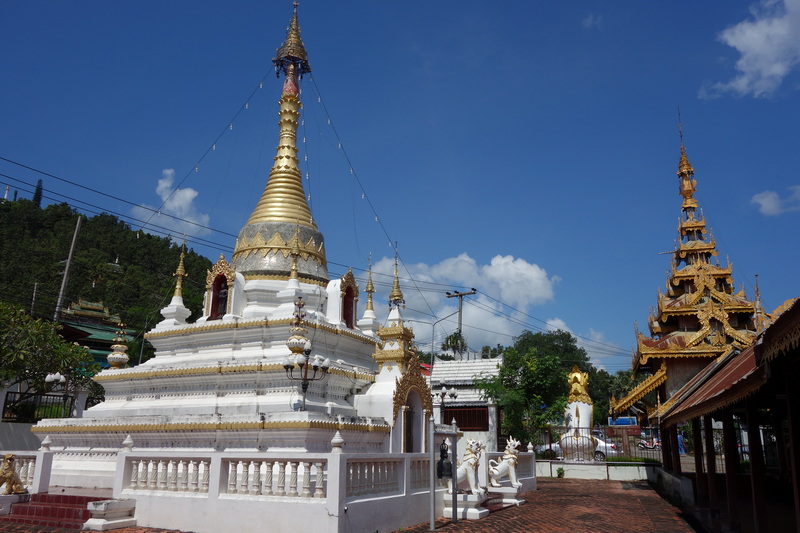
The temple’s value lies in its atmosphere as much as in any single feature. A visit gives travelers an opportunity to notice the relationship between a religious building, its surrounding grounds, and the daily life of the local community. Architectural details should be viewed with patience rather than rushed through as a checklist. Depending on the time of day, the grounds may feel active or peaceful, and respectful observation is more appropriate than assuming that every area is open for sightseeing.
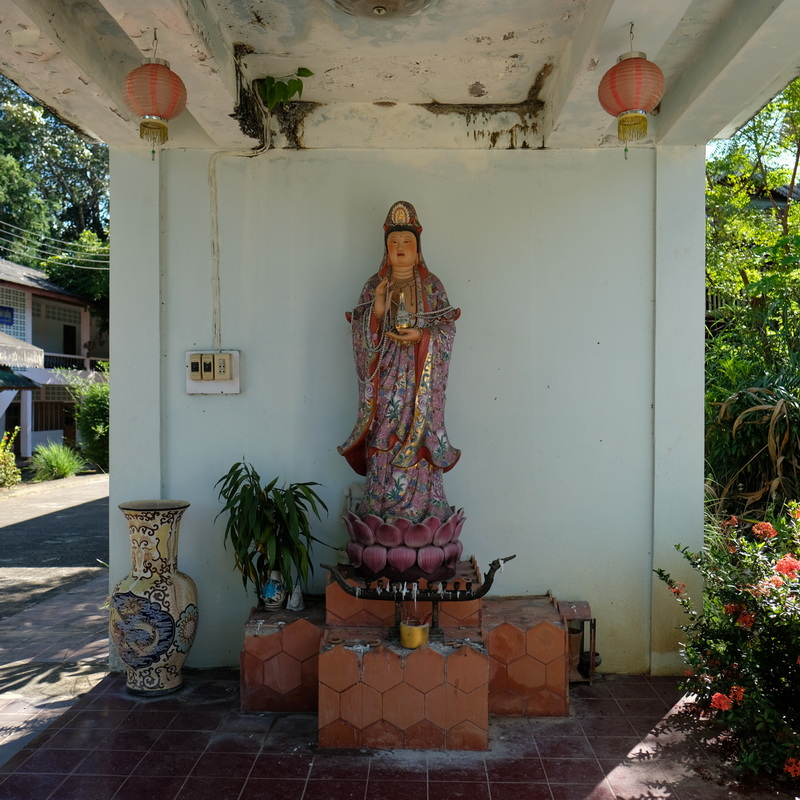
Visitors should dress modestly, speak quietly, and follow signs or local instructions. Shoes may need to be removed before entering particular buildings, and photography should always be approached with care, especially if worshippers or ceremonies are present. Wat Kam Ko Thailand is a living sacred place, not simply a historic backdrop, so a few considerate habits can make the experience more meaningful for both visitors and residents.
Understanding Van Travel from Chiang Mai
The journey from Chiang Mai to Mae Hong Son is a substantial overland trip through mountainous northern Thailand. A van can be useful for travelers who prefer not to drive themselves, particularly when they are combining several stops or traveling with a small group. However, the term van tour covers different arrangements. It may refer to a shared passenger service, a private vehicle with a driver, or a broader sightseeing package that uses a van for part of the route. The name alone does not explain the service.
When comparing a Chiang Mai To Mae Hong Son Van Tour, ask practical questions before confirming. Clarify whether the arrangement is shared or private, where collection takes place, how long the road journey is expected to take, and whether the itinerary is fixed or adjustable. It is also sensible to ask about luggage space, meal breaks, language support, and what happens if weather or road conditions affect the plan. These questions are more dependable than relying on a package title.
A van journey can make the temple easier to include when the vehicle is being used for a wider Mae Hong Son itinerary. Even so, travelers should avoid planning too many attractions in a single day. Mountain roads, rest stops, and time spent at each cultural site all influence the pace. A flexible plan allows visitors to arrive at Wat Kam Ko without feeling rushed, while also leaving room for an unplanned pause or a change in road conditions.
Building a Considerate Visit into the Route
Wat Kam Ko works best as part of a location-first plan. Begin by identifying the temple on a current map, then check how it relates to the other places scheduled for the same day. If a driver or guide is involved, share the preferred length of the stop and confirm that the visit is appropriate within the agreed route. This is especially important when a van tour is shared, since other passengers may have different interests and time expectations.
A temple visit does not need to be long to be worthwhile. Allow enough time to enter calmly, look at the buildings and grounds, and understand whether worship or local activity is taking place. Reading a sign, listening to a guide, or asking a brief and polite question can add context. Travelers should not touch religious objects, enter restricted spaces, or photograph people engaged in worship without permission.
For international visitors, the most useful preparation is often simple: carry water, keep a light layer available for changing mountain weather, and have the accommodation or next destination written clearly. Mobile reception and navigation can vary during road travel, so saving important details in advance is sensible. A van tour may reduce the stress of driving, but it does not remove the need to communicate clearly about meeting points and timing.
Reading Tour Search Terms Carefully
Travel websites and booking pages use overlapping phrases for journeys in this region. Searches such as Mae Hong Son Tour Packages From Chiang Mai, Chiang Mai to Mae Hong Son driver tour package, or Mae Hong Son sightseeing tour from Chiang Mai can produce different types of results. Some may focus on transport, while others combine accommodation, guides, and several sightseeing stops. Treat these phrases as starting points for comparison, not as guarantees of a particular itinerary.
The phrase Chiang Mai To Mae Hong Son Van Tour is useful when a traveler specifically wants to explore van-based transport. Add terms describing the preferred arrangement, such as private, shared, guided, or custom, and then inspect the details carefully. Travelers who want to include Wat Kam Ko should ask whether the temple is actually part of the proposed route rather than assuming that a general Mae Hong Son tour will stop there.
It is also worth checking the cancellation policy, passenger capacity, luggage arrangements, and communication method. Avoid choosing solely on attractive wording or a long list of destinations. A shorter itinerary with realistic travel time may provide a better experience than one that attempts to cover every landmark. Independent travelers can also use the search language to understand transport possibilities before deciding whether to arrange a driver, shared vehicle, or another form of travel.
Why Wat Kam Ko Belongs in a Wider Itinerary
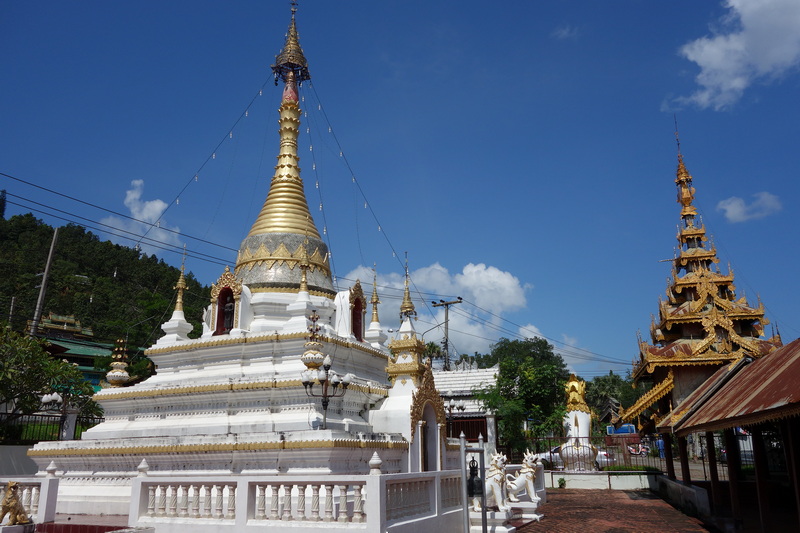
Wat Kam Ko is most rewarding when understood as part of Mae Hong Son’s cultural landscape. A temple visit can introduce travelers to local religious spaces, while nearby stops provide different perspectives on the district’s communities and scenery. This combination helps prevent the journey from becoming a sequence of disconnected photographs. It also gives a van driver or guide a clearer sense of the kind of day the traveler wants: reflective, cultural, and paced with enough time to look around.
For first-time visitors, the practical balance is straightforward. Reserve time for the road, keep the temple visit respectful, verify transport details, and choose only a manageable number of additional stops. Those using a private van may have more flexibility, while shared travelers may need to follow a set route. Neither option is automatically better; the right choice depends on budget, group size, comfort with road travel, and interest in independent timing.
A careful approach also supports local communities. Buying nothing is perfectly acceptable at a temple, and visitors should not expect religious sites to operate like commercial attractions. Where community visits are included, follow local guidance and avoid treating residents or cultural traditions as entertainment. This attitude turns a stop at Wat Kam Ko into an informed encounter with place rather than a hurried item on a tour checklist.
Nearby Attractions
Ban Huay Sua Tao
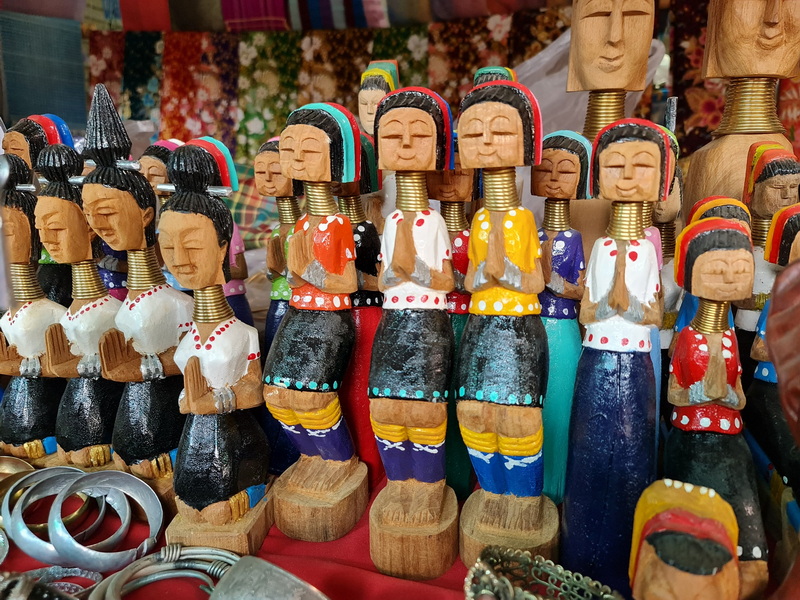
Ban Huay Sua Tao can complement a Wat Kam Ko visit for travelers interested in community life and the cultural diversity of Mae Hong Son. It should be approached as a lived-in community rather than a staged attraction. Visitors benefit from learning what the visit involves, following local guidance, and asking permission before taking photographs. A driver or guide can help explain the appropriate route and etiquette, while travelers should avoid making assumptions about residents or local traditions.
Because community stops may require a different pace from a temple visit, include enough time for orientation and respectful interaction. Confirm with a van operator whether the stop is available on the chosen itinerary, since routes and arrangements vary. Pairing Ban Huay Sua Tao with Wat Kam Ko can create a fuller cultural day, provided the schedule remains realistic and does not turn either place into a rushed visit.
Wat Chong Kham and Wat Chong Klang
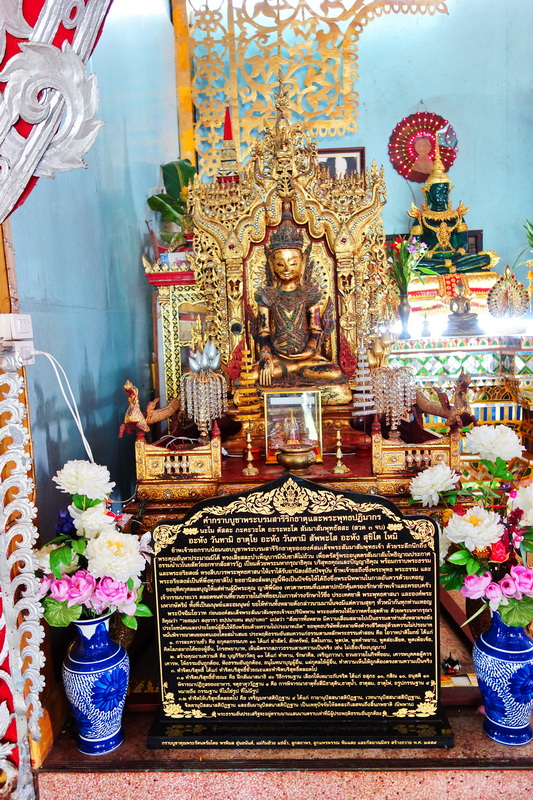
Wat Chong Kham and Wat Chong Klang are important temple landmarks in Mae Hong Son town and form a natural cultural pairing with Wat Kam Ko. Their setting near the town’s central lake area gives travelers a different urban temple experience, with religious buildings, local activity, and a recognizable town landscape. Visitors should still check current access conditions and observe the same respectful behavior expected at any active Buddhist temple.
Including these temples in a van-based itinerary can help organize the day around nearby cultural sites rather than extending the route unnecessarily. Ask whether the driver or guide plans a walking visit, how much time is available, and whether any ceremony or restricted area affects access. A calm visit to Wat Chong Kham and Wat Chong Klang, followed by Wat Kam Ko, allows travelers to compare places thoughtfully without reducing them to a ranking.
Bringing the Experience Together
Wat Kam Ko offers a gentle introduction to the religious and local character of Mae Hong Son. Its location makes it suitable for travelers arriving by road from Chiang Mai, while nearby Ban Huay Sua Tao and Wat Chong Kham and Wat Chong Klang broaden the cultural context. When researching a van journey, read tour terms carefully, confirm the practical details, and leave realistic time for mountain travel. With modest dress, quiet observation, and respect for community life, a visit to Kamko Temple can become more than a brief stop: it can be a thoughtful part of experiencing Mae Hong Son.


Comments
Post a Comment