Exploring Tha Ton Temple and Its Role in Chiang Rai Tours
Exploring Tha Ton Temple and Its Role in Chiang Rai Tours
An insightful guide to Wat Thaton in Chiang Mai’s Tha Ton Subdistrict and nearby natural attractions for travelers
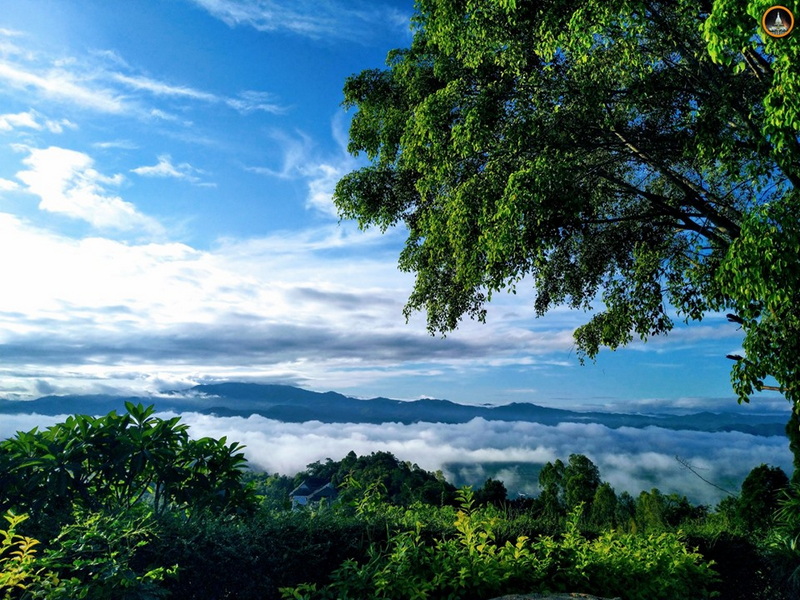
Northern Thailand is rich in cultural heritage and natural beauty, with temples playing a central role in its spiritual landscape. Among the famous temples in Chiang Mai, Tha Ton Temple, also known as Wat Thaton, stands out for its historical and architectural significance. Located in the Tha Ton Subdistrict of Mae Ai District, Chiang Mai, this temple offers visitors a glimpse into traditional Lanna Buddhist culture amid serene surroundings. Beyond the temple itself, the region serves as a gateway to broader Chiang Rai tours that explore northern Thailand’s diverse attractions. This article introduces Tha Ton Temple’s importance, highlights general tour opportunities around Chiang Rai, and presents nearby natural sites like Doi Ang Khang and Doi Pha Hom Pok National Park that enrich the travel experience. Whether you are a first-time visitor or a cultural enthusiast, understanding the temple’s place within the region’s spiritual and natural context will help you prepare for a meaningful journey.
Recognizing Tha Ton Temple Among Chiang Mai’s Famous Temples
Tha Ton Temple, or Wat Thaton, is a revered site situated in the northern reaches of Chiang Mai province. Its location in the Tha Ton Subdistrict of Mae Ai District places it near the border with Chiang Rai, making it a significant cultural landmark bridging two important northern provinces. Travelers researching Wat Tha Ton can use these details when planning the trip.
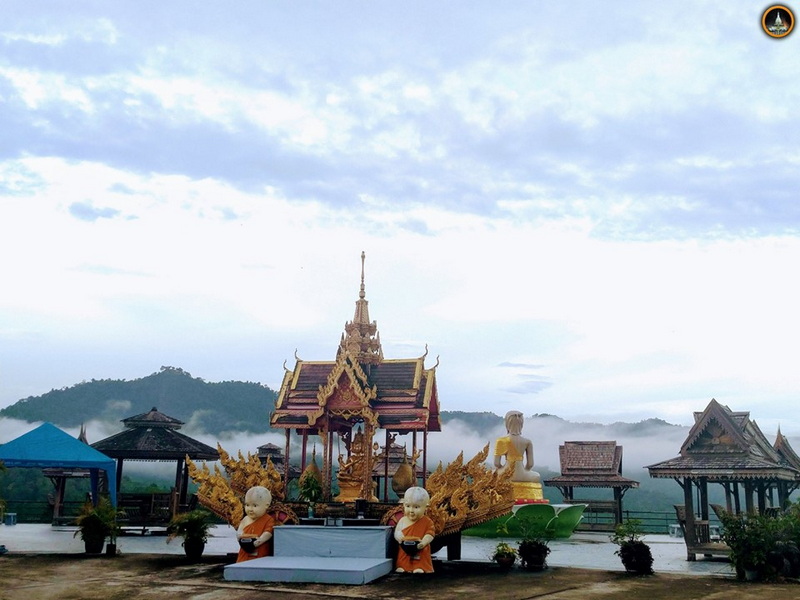
The temple’s architecture reflects traditional Lanna style, characterized by intricate wooden carvings, tiered roofs, and golden spires that catch the sunlight in a striking display. Visitors often note the peaceful atmosphere surrounding the temple grounds, which include a large reclining Buddha statue and a pagoda that houses sacred relics.
Historically, Wat Thaton has served as a center for local religious activities and community gatherings. Its reputation as one of the famous temples in Chiang Mai is supported by its accessibility and the unique blend of spiritual and natural elements it offers. For travelers interested in exploring Thai Buddhism and northern Thai culture, Tha Ton Temple provides an authentic and contemplative experience.
Overview of Chiang Rai Tours and Regional Exploration
Chiang Rai province is well-known for its diverse tour options that combine cultural visits with natural exploration. Tours in this region often include stops at renowned temples, local markets, and scenic viewpoints, providing a broad perspective on northern Thailand’s heritage.
Travelers embarking on a Chiang Rai tour from Chiang Mai or the Tha Ton area can expect itineraries that balance historical sites with outdoor activities. These tours frequently highlight the intersection of various hill tribe cultures, Buddhist temples, and the lush landscapes that define the region.
While Tha Ton Temple itself is a key spiritual destination, the surrounding area offers many opportunities to deepen one’s understanding of northern Thailand through guided or independent travel. The general tours emphasize respectful engagement with local communities and environmental appreciation, aligning well with the interests of first-time international visitors.
Natural Attractions Near Tha Ton Temple Enhancing the Travel Experience
Beyond its cultural appeal, the Tha Ton area is a gateway to remarkable natural attractions. Two notable sites nearby are Doi Ang Khang and Doi Pha Hom Pok National Park, both of which provide contrasting experiences of northern Thailand’s mountainous terrain and biodiversity.
Doi Ang Khang is famed for its cool climate, botanical gardens, and hill tribe villages. Visitors can explore trails that reveal the region’s native flora and enjoy panoramic views of terraced farmland. The area is also known for agricultural research centers that promote sustainable farming.
In contrast, Doi Pha Hom Pok National Park offers more rugged landscapes, including Thailand’s second highest peak. The park is a haven for hikers and nature lovers, with waterfalls, hot springs, and dense forests. Its remote setting presents an opportunity to observe wildlife and experience tranquility away from urban centers.
Including these natural sites in a visit to Tha Ton Temple enriches the overall itinerary by combining cultural heritage with environmental appreciation.
Preparing for a Visit to Wat Thaton and Nearby Northern Attractions
When planning a trip to Tha Ton Temple and the surrounding region, it is important to consider the travel logistics and cultural context. The temple is accessible by road from Chiang Mai city, with travel times varying depending on traffic and weather conditions.
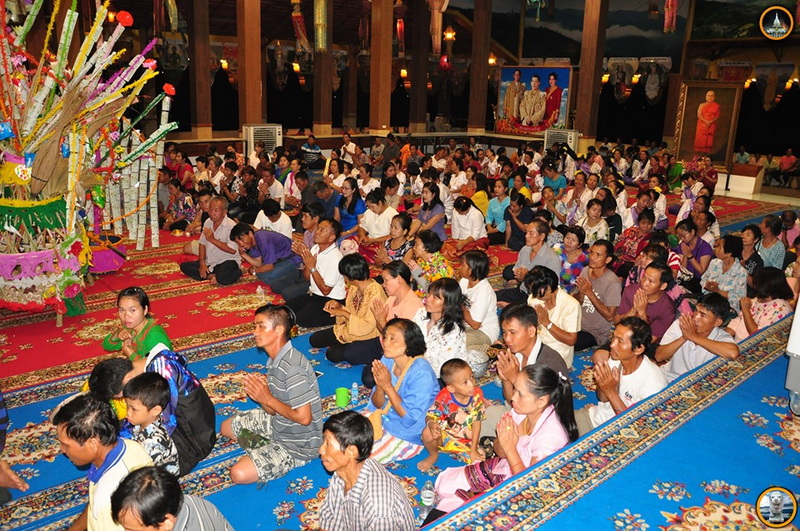
Visitors should approach Wat Thaton with respect for its religious significance, dressing modestly and observing local customs during temple visits. Photography is generally permitted in outdoor areas but may be restricted inside certain buildings.
For those extending their journey to include Doi Ang Khang or Doi Pha Hom Pok National Park, preparation for varying weather conditions and physical activity is advisable. Both sites offer opportunities for hiking and nature observation, so comfortable footwear and appropriate gear are recommended.
Engaging with local guides or community representatives can enhance understanding of the cultural and ecological importance of these places. Overall, a mindful and informed approach will help travelers gain the most from their visit to Tha Ton Temple and its neighboring attractions.
Nearby Attractions
Doi Ang Khang
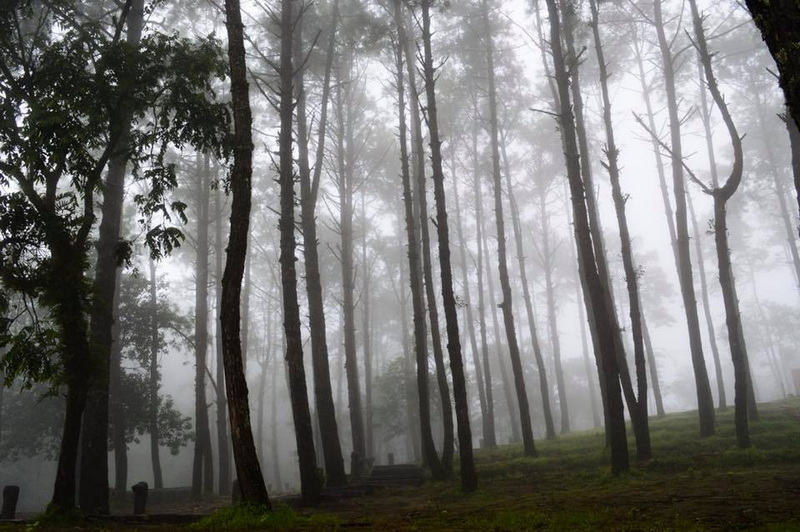
Doi Ang Khang is a mountain area located close to Tha Ton that features a cool climate and lush landscapes. It is known for its botanical gardens, which showcase a wide variety of flowers, fruits, and vegetables adapted to high-altitude conditions.
The area is also home to hill tribe communities, offering visitors a chance to learn about local traditions and crafts. Trekking routes and viewpoints provide scenic vistas of terraced rice fields and forested hillsides, making Doi Ang Khang a popular destination for nature enthusiasts seeking tranquility and cultural insight.
Doi Pha Hom Pok National Park
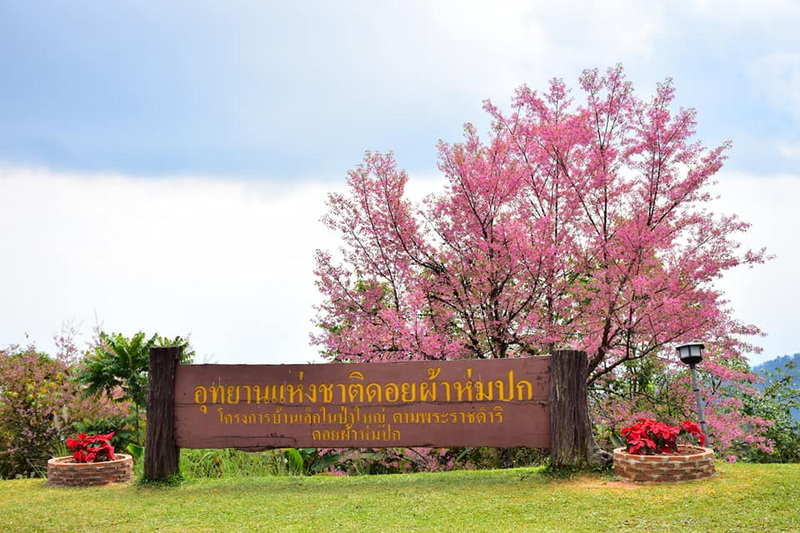
Doi Pha Hom Pok National Park is distinguished by its rugged mountains and rich biodiversity. It contains Thailand’s second highest peak, which attracts hikers and adventure seekers.
The park features waterfalls, hot springs, and dense forests that support a variety of wildlife. Visitors often enjoy exploring its natural trails and experiencing the serene environment that contrasts with more developed tourist areas. The park enhances the northern Thailand experience by offering opportunities for outdoor recreation and ecological appreciation.
Bringing the Experience Together
Tha Ton Temple stands as a significant spiritual landmark within Chiang Mai’s northern landscape, drawing visitors interested in the region’s Buddhist heritage and architectural beauty. When combined with the broader context of Chiang Rai tours and the nearby natural attractions of Doi Ang Khang and Doi Pha Hom Pok National Park, travelers are invited to experience a rich tapestry of culture, history, and environment. Approaching this region with respect and curiosity allows visitors to build confidence and deepen their appreciation for northern Thailand’s unique offerings. Whether seeking peaceful reflection at Wat Thaton or invigorating exploration in the mountains, the Tha Ton area provides a well-rounded and memorable travel experience.


Comments
Post a Comment