Authentic Encounters with the Lahu Hilltribe in Northern Thailand
Authentic Encounters with the Lahu Hilltribe in Northern Thailand
A respectful guide to culture, community life, and meaningful visits in Northern Thailand
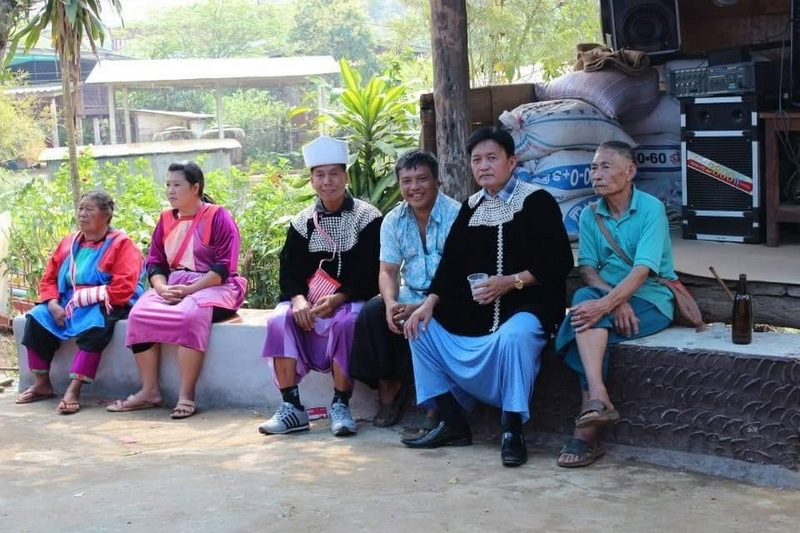
An authentic encounter with the Lahu Hill Tribe is not a performance arranged for passing visitors. It is an opportunity to learn how a living community understands place, family, work, belief, and cultural continuity. In Northern Thailand, Lahu communities have their own histories and identities, while also sharing the wider mountain landscape with several other Indigenous and ethnic groups. For a culture-focused traveler, the most valuable experience may be quieter than expected. A village path, a conversation interpreted with care, or an explanation of a handcraft can reveal more than a hurried display of customs. Visitors should arrive with curiosity rather than assumptions, remembering that people are not attractions and that village life continues whether tourists are present or not. This guide considers what makes an Authentic Hill Tribe Village Thailand experience respectful and worthwhile. It looks at Lahu traditions, the term Muser, appropriate visitor behavior, and how travelers considering Chiang Mai Tour Packages can place a community visit within a broader Northern Thailand journey without reducing culture to a sightseeing stop.
What an Authentic Village Experience Really Means
Authenticity is often misunderstood as finding a place untouched by modern life. That idea can be unfair and misleading. Lahu communities, like communities everywhere, respond to education, migration, technology, markets, religion, and changing economic opportunities. A village does not become less genuine because residents use smartphones, send children to school, or participate in the wider Thai economy.
A more useful definition of authenticity is an encounter shaped by ordinary community life rather than a staged image designed only for outsiders. Visitors may learn about farming, food preparation, weaving, music, family relationships, local leadership, or religious practice, but the details will differ between villages and households. The most responsible hosts decide what they wish to share, and a respectful visitor accepts that some subjects or spaces are private.
This approach also changes the traveler’s expectations. A meaningful visit may not include a dramatic ritual, elaborate costume, or souvenir purchase. It may involve listening to a local explanation, observing work from an appropriate distance, or recognizing how difficult it is to translate cultural knowledge between languages. Patience and humility are more important than collecting photographs.
Lahu Life Through Work, Belief, and Community
The Lahu are a diverse people whose communities extend across parts of mainland Southeast Asia, including Northern Thailand. Within Thailand, Lahu villages are found particularly in mountainous areas, although exact settlement patterns and local traditions vary. Lahu languages belong to the Tibeto-Burman language family, and many people also use Thai or other regional languages in education, commerce, and public life.
Agriculture has traditionally been central to many Lahu livelihoods. Depending on location and circumstance, families may grow food crops, tend gardens, raise animals, gather forest products, or participate in wage labor and small-scale trade. Farming knowledge is connected to weather, soil, slopes, seeds, and cooperation. It is important not to describe every Lahu village as if it followed one unchanged rural pattern; livelihoods develop in response to environmental, social, and economic conditions.
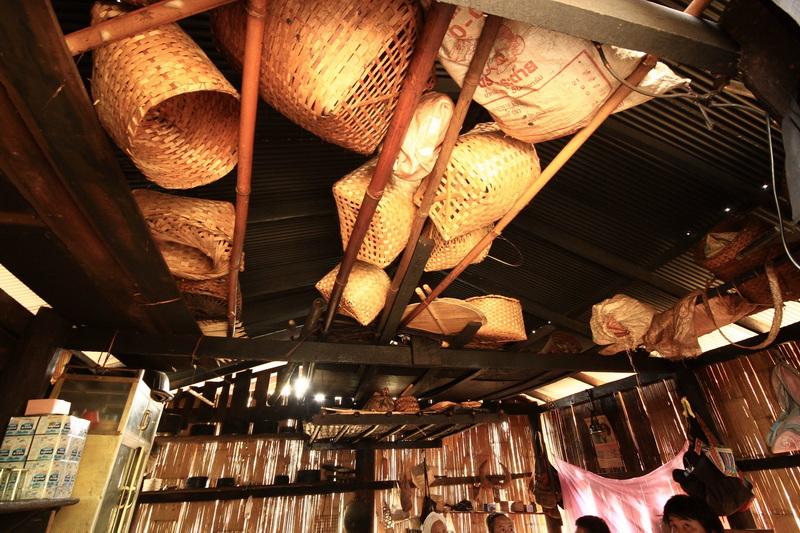
Lahu cultural life can include distinctive music, dance, clothing, oral traditions, foodways, and community celebrations. Religious practice is also diverse. Some Lahu follow forms of Christianity or Buddhism, while other beliefs and customary practices reflect older relationships with ancestors, spirits, land, and community life. A visitor should ask how a particular village describes its own practices instead of treating one version as representative of all Lahu people.
For travelers seeking Muser Hill Tribe Information, terminology deserves attention. Muser is a name historically used in Thailand for Lahu people and remains familiar in tourism and everyday speech. However, Lahu is generally the preferred self-identifying term in many contexts. Asking local guides or community members what language they prefer shows consideration and avoids repeating labels without understanding their history.
How to Behave When Visiting a Lahu Community
Consent should guide every interaction. Ask before photographing people, homes, religious objects, ceremonies, children, or personal belongings. A smile or a person’s presence is not automatic permission. If someone declines, accept the answer without repeatedly asking. Photography should never interrupt work, worship, teaching, or a private family moment.
Dress modestly and practically, particularly when a visit includes a home, community building, or religious setting. Covered shoulders and knees are a sensible starting point, but local expectations may differ. Follow the guidance of a community representative about where to walk, whether shoes should be removed, and which areas are not open to visitors. Avoid touching objects, entering rooms, or handling food without an invitation.
Conversation is more respectful when it moves beyond the question of difference. Ask about daily life, local food, farming, language, crafts, or the community’s own priorities. Do not ask people to perform a song, change clothing, repeat a ritual, or pose in a way that turns identity into a spectacle. Refrain from making comments that romanticize poverty or suggest that a community is valuable only because it appears traditional.
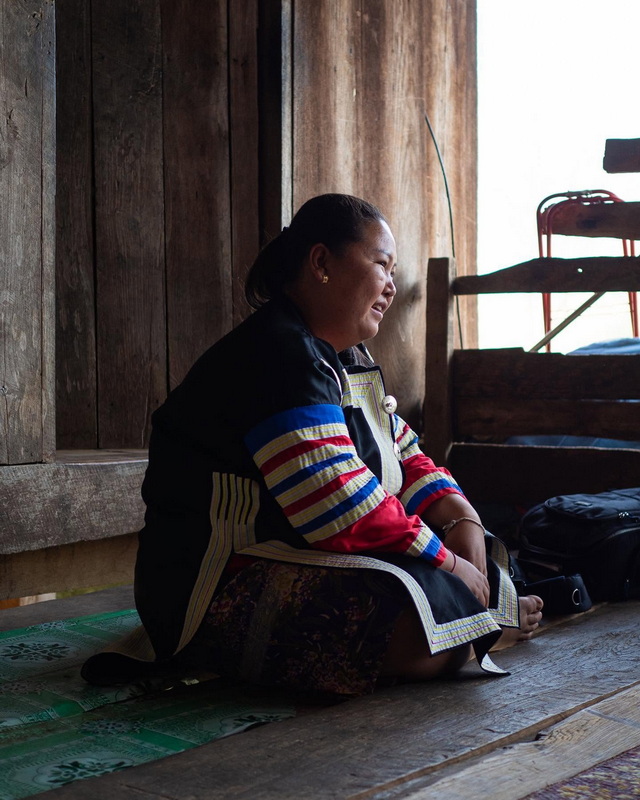
Purchases can support household livelihoods when they are made transparently and willingly. If crafts are offered, ask who made them and whether the payment reaches the maker or community initiative. Do not bargain aggressively over small handmade items. More broadly, choose visits that explain how community benefits are shared, while recognizing that travelers may not be able to verify every claim. Ethical tourism depends on informed questions as well as good intentions.
Using Chiang Mai as a Thoughtful Travel Context
Chiang Mai is a common starting point for exploring Northern Thailand, and many travelers encounter village visits while comparing Chiang Mai Tour Packages. Search results can make cultural travel appear simple: select a destination, take photographs, and move on. In reality, the quality of an encounter depends more on consent, local participation, group behavior, and the way a visit is presented than on a striking itinerary description.
When evaluating a cultural experience, look for clear information about who hosts the visit and how residents participate in decisions. A responsible provider should be willing to explain whether activities are community-led, how visitors are introduced to local customs, and what boundaries apply to photography and access. Be cautious of language promising an untouched, primitive, or guaranteed authentic tribe experience. Such descriptions often reduce diverse people to a sales image.
Small groups can make listening easier, but group size alone does not make a visit ethical. A large group may behave thoughtfully, while a small group can still intrude. Travelers should be prepared for changes in plans caused by weather, farming responsibilities, ceremonies, or community preferences. Flexibility is part of respect because village life should not be forced to follow a visitor’s timetable.
A Chiang Mai journey can also place a Lahu visit within a wider understanding of the region. Learn about Northern Thailand’s history, languages, landscapes, and varied communities rather than treating one village as a representative sample of every hill community. This broader context helps travelers see Lahu identity as specific and living, not as a generic category created for tourism.
Learning Without Taking Ownership
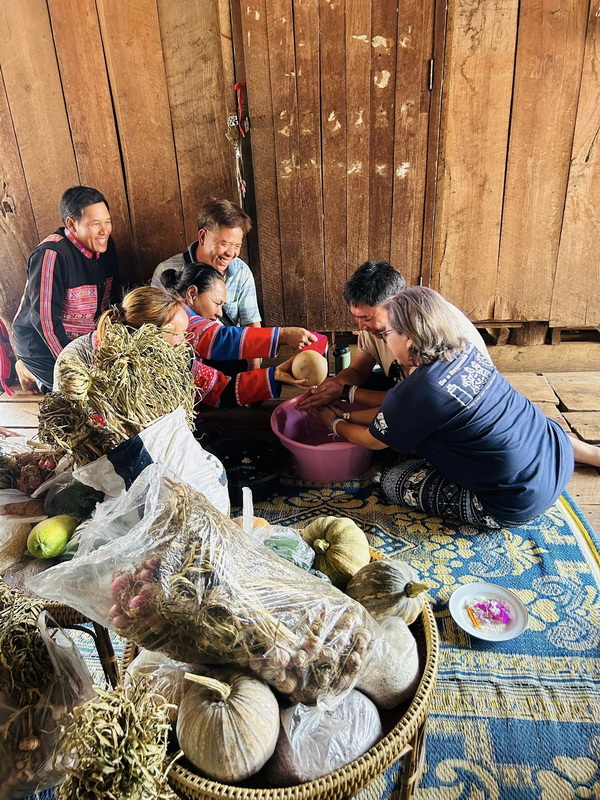
The strongest cultural encounters leave the visitor with better questions rather than a sense of having collected someone else’s life. Listen carefully to how residents describe their community. If an interpretation is brief, do not fill the gaps with assumptions. Terms such as tradition, tribe, remote, and authentic carry different meanings, and a guide’s explanation may be only one perspective among many.
Children deserve particular protection from unwanted attention. Do not photograph them, distribute sweets, or begin physical contact without clear permission from a parent or responsible adult. Avoid treating schools or homes as visitor exhibits. If a community has a formal educational or social project open to visitors, follow its stated rules and allow local organizers to determine what support is useful.
Environmental behavior is part of cultural respect. Carry waste away when appropriate, use water carefully, avoid damaging plants or farmland, and remain on paths where requested. These actions matter because landscapes are not merely scenic backgrounds; they support food production, household livelihoods, spiritual relationships, and community identity.
Finally, remember that an encounter has a human cost as well as a possible benefit. Repeated interruptions, intrusive questions, and careless images can burden residents even when visitors spend money. A good visit gives space for refusal, recognizes local authority, and allows community members to remain hosts on their own terms. The traveler’s role is not to possess an experience, but to participate briefly and responsibly in an exchange.
Bringing the Experience Together
The Lahu Hill Tribe should be approached as a living community, not as a window into a frozen past. Learning about language, work, belief, and local priorities can make a Northern Thailand journey more thoughtful, especially when visitors seek consent and accept cultural boundaries. Muser Hill Tribe Information is most useful when it encourages understanding rather than labels. Whether a visit is arranged independently or considered among Chiang Mai Tour Packages, its value rests on the quality of the relationship: listen carefully, behave modestly, and leave people’s dignity at the center of the experience.


Comments
Post a Comment