Attraction-Focused Visits to Tha Pai Memorial Bridge
Attraction-Focused Visits to Tha Pai Memorial Bridge
A practical look at Pai’s wartime landmark, nearby hot springs, and van-tour planning from Chiang Mai
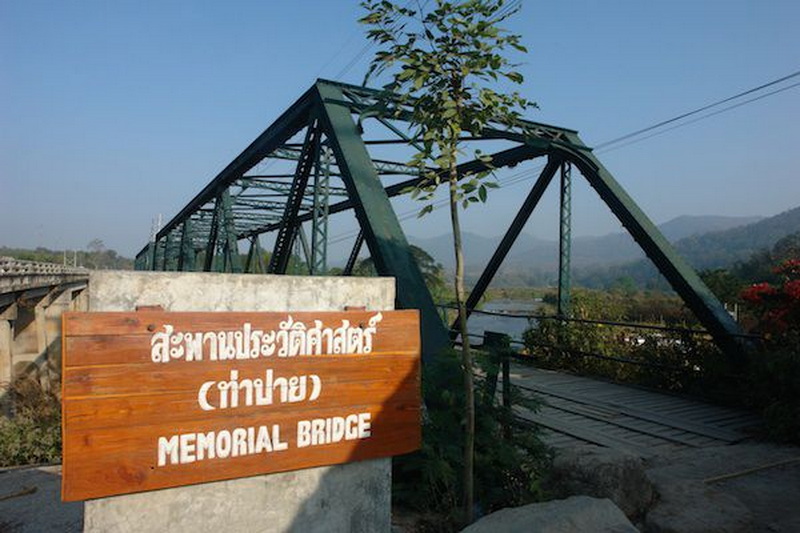
In Pai District, Mae Hong Son, the Tha Pai Memorial Bridge offers a compact meeting point between history, landscape, and regional travel. The bridge stands near the Pai River and is commonly visited as part of a wider outing rather than as an isolated stop. Its weathered structure and surrounding countryside invite a slower kind of sightseeing, especially for travelers who want to understand how Pai fits into the history and scenery of northern Thailand. For visitors comparing Mae Hong Son Thailand Attractions, this is a useful place to begin because it combines a clear historical theme with access to natural sites. The nearby hot springs add a different dimension to the visit, while the route from Chiang Mai makes the area suitable for travelers considering a multi-stop excursion. A Chiang Mai To Mae Hong Son Van Tour may include Pai as part of a longer journey, although exact routes and stops depend on the operator and itinerary. The most rewarding approach is to treat the bridge respectfully as a memorial and then use the surrounding area to explore the region’s natural character. The following guide focuses on what the bridge represents, how van-tour planning can work in broad terms, and what to expect from Sai Ngam Hot Spring and Tha Pai Hot Spring.
Reading the Bridge as a Memorial
Pai Memorial Bridge is also known by names such as Pai Historical Bridge and Tha Pai World War II Memorial Bridge. Its historical association dates to the Second World War, when Japanese forces constructed a crossing in the Pai area to support movement through the region. The bridge that visitors see today reflects later repairs and reconstruction, so it is best understood as a surviving memorial landscape rather than assumed to be unchanged from the wartime period.
The setting helps explain why the site remains memorable. The river, trees, road, and low hills create a rural scene that can seem peaceful, while the bridge recalls a much more difficult period. This contrast is part of the site’s significance. Visitors do not need a long museum visit to appreciate it, but a little historical awareness makes the stop more meaningful than a quick photograph.
The name World War II Memorial Bridge Pai is useful for identifying the landmark in travel searches, yet the memorial deserves more than a checklist approach. Walk carefully, observe the structure from appropriate public areas, and avoid treating the site as a stage for careless behavior. Quiet attention is a fitting way to acknowledge the people and communities connected with its history.
Using Van Tours as a Regional Travel Framework
Travelers starting in Chiang Mai often consider a van-based itinerary when they want to reach Pai and continue toward Mae Hong Son Province without arranging every driving detail themselves. A Chiang Mai To Mae Hong Son Van Tour can provide a broad framework for seeing several places along the route, but travelers should check the proposed sequence, time at each stop, and whether Pai Memorial Bridge is actually included before making assumptions.
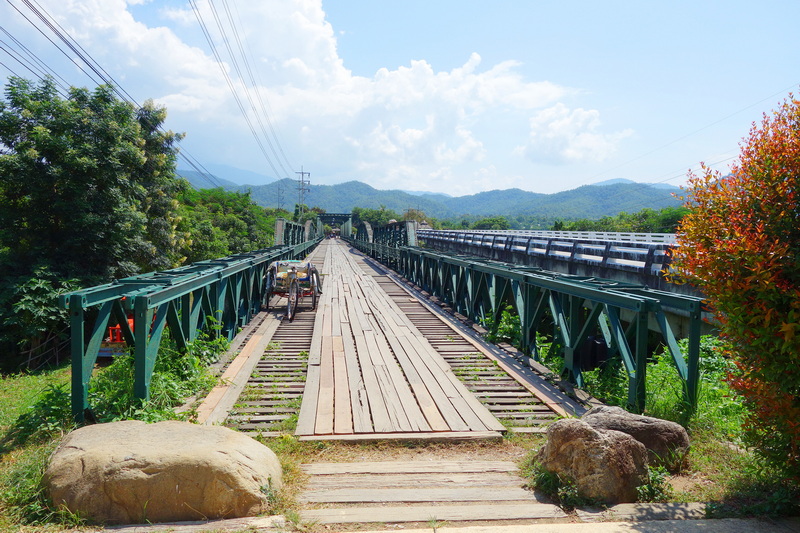
Van-tour language can describe several different travel styles. Some itineraries may focus on transfers between destinations, while others are organized around sightseeing stops. A route that passes through Pai is not automatically a bridge visit, and a tour described as a Mae Hong Son excursion may allocate more time to other parts of the province. Asking clear questions about the route is therefore more useful than relying on a package title alone.
For an independent traveler, the practical advantage of a shared or private van is the possibility of connecting a historical stop with natural attractions in the same general area. The trade-off is less control over how long to linger. The bridge is relatively simple to experience, but travelers interested in reading, photographing, or reflecting there may prefer an itinerary with flexible stop times. Exact schedules, availability, and inclusions should always be confirmed directly with the provider.
Building a Balanced Pai Stop
A visit to the bridge works well when it is framed as one part of a Pai sightseeing day. Begin with the historical landmark, then allow the surrounding landscape to change the pace of the outing. This order keeps the memorial’s meaning at the center while leaving room for the restorative experiences that draw many people to the Pai area.
The bridge can be particularly appealing to travelers who enjoy seeing how history is embedded in ordinary geography. It is not separated from the countryside by a grand institutional setting; instead, the river and road remain part of the experience. That makes observation important. Notice the relationship between the crossing and the landscape, but avoid making unsupported claims about every visible piece of the structure or presenting local history as a dramatic story without evidence.
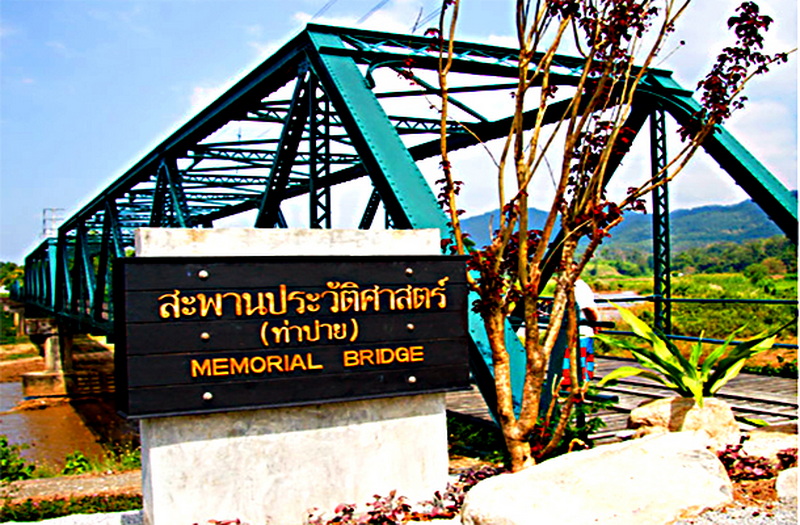
Photography is natural at a landmark with a distinctive silhouette, but respectful conduct should guide the visit. Keep clear of unsafe areas, follow any local signs, and remember that the bridge is associated with wartime memory. A short stop can still be thoughtful if visitors take time to understand the name, consider the historical context, and leave the site undisturbed.
From Historical Landmark to Natural Sites
The wider Pai area is valuable for travelers who want variety without changing the basic character of their day. After the bridge, a hot spring visit can provide a contrast in texture and atmosphere. Forest, water, and mineral-rich pools shift attention from wartime infrastructure to the region’s natural environment, while still keeping the outing connected to Pai District.
Sai Ngam Hot Spring is known for its forested setting and warm water, giving visitors an opportunity to experience a quieter natural attraction away from the main historical viewpoint. Conditions can vary with weather, maintenance, and local regulations, so visitors should follow current signs and any bathing guidance on arrival. The site is best approached as a place to enjoy gently rather than a guaranteed spa-style experience.
Tha Pai Hot Spring is another well-known natural stop in the Pai area. Its appeal comes from the combination of woodland surroundings and geothermal activity. Travelers should expect an outdoor environment and should respect posted boundaries, safety instructions, and restrictions concerning water access. The hot spring can complement the bridge particularly well: one site encourages historical reflection, while the other highlights the physical landscape that shapes life and travel in northern Thailand.
Practical Habits for a Respectful Excursion
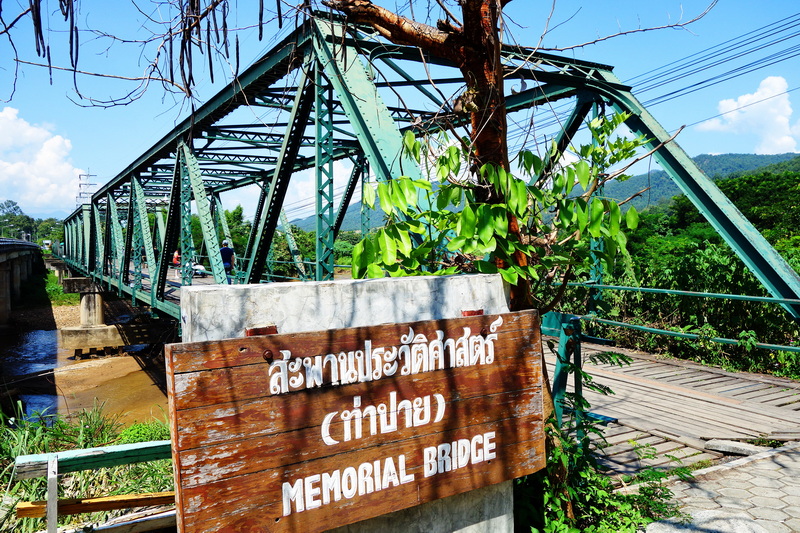
A comfortable visit begins with realistic expectations. The bridge is a heritage and memorial stop, not a large attraction complex with extensive visitor facilities. Travelers should allow time for a calm look around, wear suitable footwear for outdoor surfaces, and protect themselves from sun or rain according to the day’s conditions. Anyone combining the bridge with hot springs should also bring what is appropriate for a nature outing and keep personal belongings secure.
If traveling by van, confirm the meeting point and the amount of free time available before departure. A useful itinerary should make clear whether the vehicle is being used for transportation only or for guided sightseeing. Travelers may also want to ask whether entrance fees, meals, or other stops are separate matters, without assuming that any particular service is included. These simple checks help prevent a broad tour label from creating unrealistic expectations.
Most importantly, leave the area as it was found. Do not climb on restricted parts of the bridge, carve names into surfaces, or turn a memorial into a noisy photo prop. At Sai Ngam Hot Spring and Tha Pai Hot Spring, follow environmental guidance and respect other visitors. Responsible behavior protects both the heritage value of the bridge and the natural character of the attractions that surround it.
Nearby Attractions
Sai Ngam Hot Spring
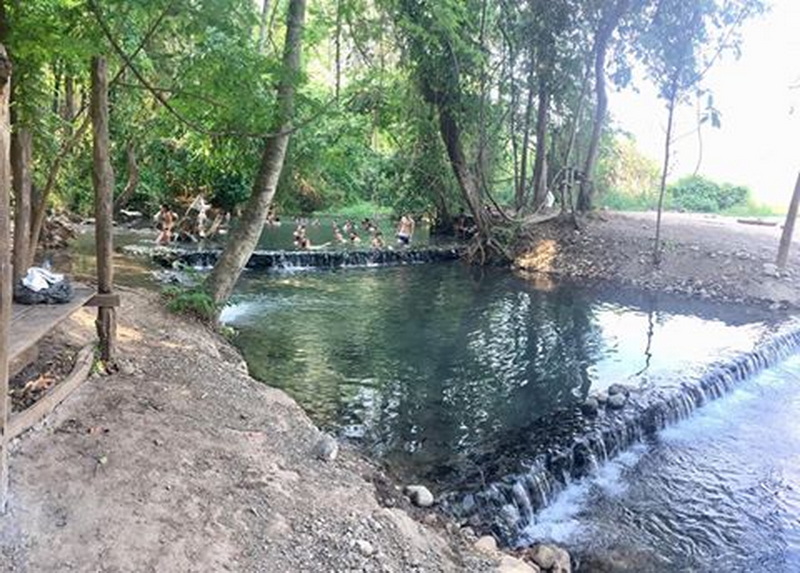
Sai Ngam Hot Spring offers a nature-focused companion to Pai Memorial Bridge. Its wooded surroundings and warm water create a gentler experience after a historical stop, with an atmosphere suited to visitors who prefer landscape and quiet observation. Conditions and access arrangements can change, so follow current local guidance and use only areas open to visitors.
Plan enough time to enjoy the setting without treating it as a guaranteed recreational facility. Keep noise low, avoid disturbing the forest environment, and observe any instructions about bathing or water safety. Together with the bridge, Sai Ngam helps show why the Pai area appeals to travelers seeking both cultural heritage and outdoor experiences.
Tha Pai Hot Spring
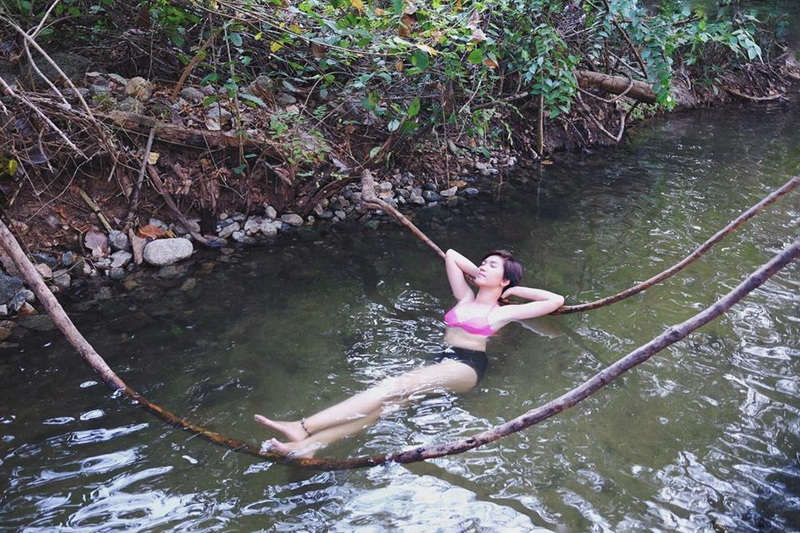
Tha Pai Hot Spring is a convenient natural theme to pair with a visit to the World War II Memorial Bridge Pai. The attraction presents geothermal activity within a forested environment, offering a clear contrast with the bridge’s human history and engineered structure. Visitors should expect an outdoor site and should check local signs for information about safe access and permitted activities.
The hot spring is best enjoyed at an unhurried pace. Protect the surrounding vegetation, respect other visitors, and avoid assuming that every pool or area is suitable for bathing. As part of a broader Pai outing, it adds variety without distracting from the need to visit the memorial bridge thoughtfully.
Bringing the Experience Together
Tha Pai Memorial Bridge is most rewarding when approached as a small but significant historical landmark within a larger Mae Hong Son journey. Its wartime associations give the stop cultural weight, while Sai Ngam Hot Spring and Tha Pai Hot Spring reveal the natural character of the surrounding Pai landscape. Van tours from Chiang Mai can make this combination easier to organize, provided travelers confirm the actual itinerary and allow space for respectful exploration. With realistic expectations and careful behavior, the bridge becomes more than a scenic pause: it becomes a thoughtful point of connection between history, countryside, and travel through northern Thailand.


Comments
Post a Comment