Discovering Ban Khun Chang Kian Village and Its Ecotourism Experience
Discovering Ban Khun Chang Kian Village and Its Ecotourism Experience
Exploring sustainable tourism and authentic Hmong hilltribe culture in Chiang Mai’s ecotourism villages
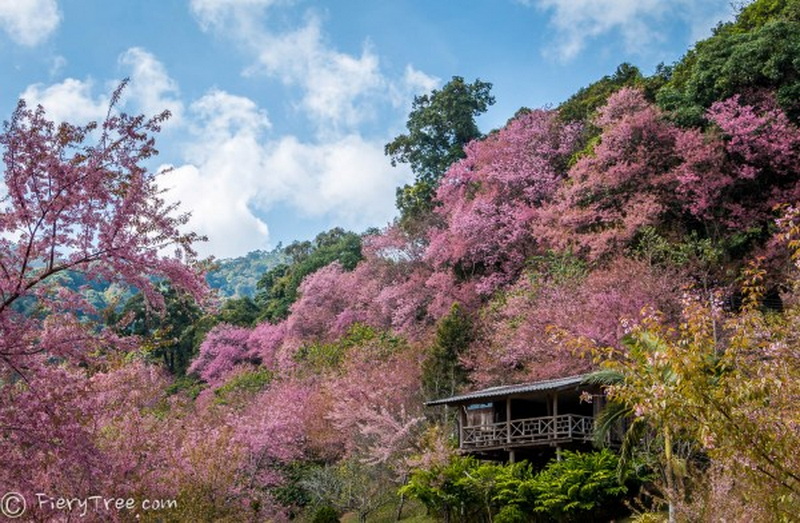
Nestled in the lush hills of Muang Chiang Mai, Ban Khun Chang Kian Village offers travelers a unique blend of ecotourism and cultural immersion. This village is renowned for its commitment to sustainable tourism practices that honor both the environment and the traditions of the local Hmong hilltribe community. Visitors seeking an authentic experience will find the village’s approach to ecotourism an inspiring example of how tourism can support indigenous cultures while preserving natural surroundings. The Hmong hilltribe, known for their rich cultural history and distinctive crafts, play a central role in the village’s identity. Ban Khun Chang Kian is considered one of the best hill tribe villages to visit in Chiang Mai, where respectful engagement and ethical tourism are emphasized to promote dignity and mutual understanding. Beyond the village itself, nearby attractions such as Wat Pha Lad and Wat Phra That Doi Suthep provide cultural and spiritual context that complements the visit, making this area a meaningful destination for travelers interested in both nature and culture. This article explores how Ban Khun Chang Kian exemplifies ecotourism villages in Chiang Mai through its sustainable practices, cultural respect, and community involvement. It also offers insights into the Hmong hilltribe’s heritage and guidance for visitors on how to engage ethically and meaningfully during their stay.
Ecotourism Principles at Ban Khun Chang Kian
Ecotourism at Ban Khun Chang Kian is rooted in sustainability and ethical community engagement. The village prioritizes minimizing environmental impact by promoting low-impact activities and encouraging visitors to respect natural resources. This includes preserving local flora and fauna, using eco-friendly materials, and supporting agricultural practices that maintain the ecological balance of the area. Travelers researching Ecotourism Villages Chiang Mai can use these details when planning the trip. Travelers researching Best Hill Tribe To Visit In Chiang Mai can use these details when planning the trip.
The community’s approach also involves educating visitors about the importance of conservation and cultural preservation. Rather than commodifying the local culture, Ban Khun Chang Kian fosters genuine interactions where tourists learn about the village’s traditions through storytelling, handicraft demonstrations, and participation in daily activities. This respectful exchange helps protect the dignity of the Hmong hilltribe and promotes understanding of their way of life.
Moreover, the village supports community tourism by ensuring that tourism income directly benefits local residents. This creates an incentive to sustain cultural heritage and natural surroundings, making tourism a tool for empowerment rather than exploitation. Visitors are encouraged to be mindful guests, understanding their role in sustaining the village’s environment and culture for future generations.
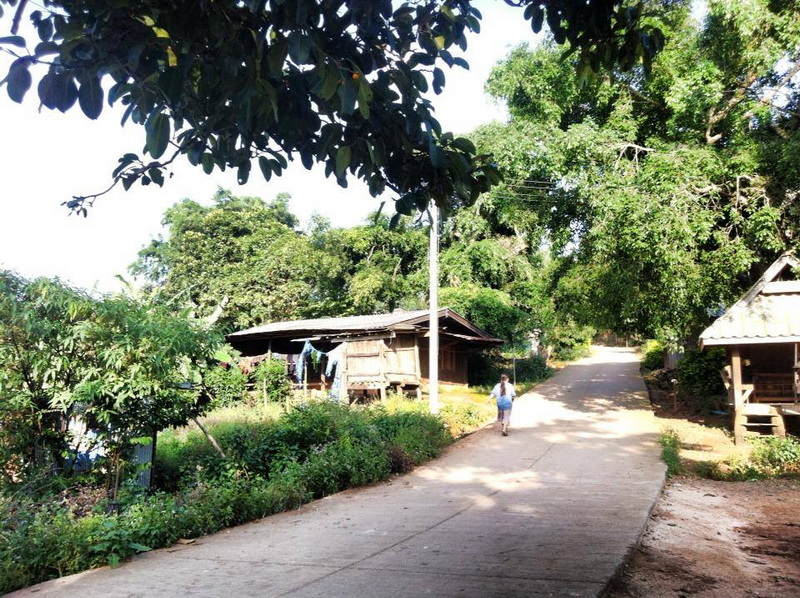
Experiencing Hmong Hilltribe Culture in Khun Chang Kian
Ban Khun Chang Kian is home to the Hmong hilltribe, one of the indigenous groups of Northern Thailand with a rich cultural legacy. The Hmong people are known for their intricate textiles, traditional clothing, and unique festivals. Their history includes migration from southern China and adaptation to the mountainous environment of Northern Thailand, which has shaped their customs and lifestyle.
Visitors to the village have the opportunity to engage with the Hmong community in ways that prioritize dignity and consent. Cultural exchanges often include demonstrations of traditional weaving, embroidery, and silverwork, which are integral to Hmong identity. Importantly, these experiences are presented in a way that avoids exoticizing the culture, focusing instead on authentic storytelling and education.
Respectful visitation also means observing local customs and etiquette, such as asking permission before photographing individuals and refraining from intrusive behavior. The village encourages dialogue where visitors can ask questions and learn about the Hmong’s spiritual beliefs, agricultural methods, and community governance. This approach fosters a deeper appreciation of the Hmong hilltribe as a living culture rather than a static attraction.
Community Involvement and Sustainable Tourism Impact
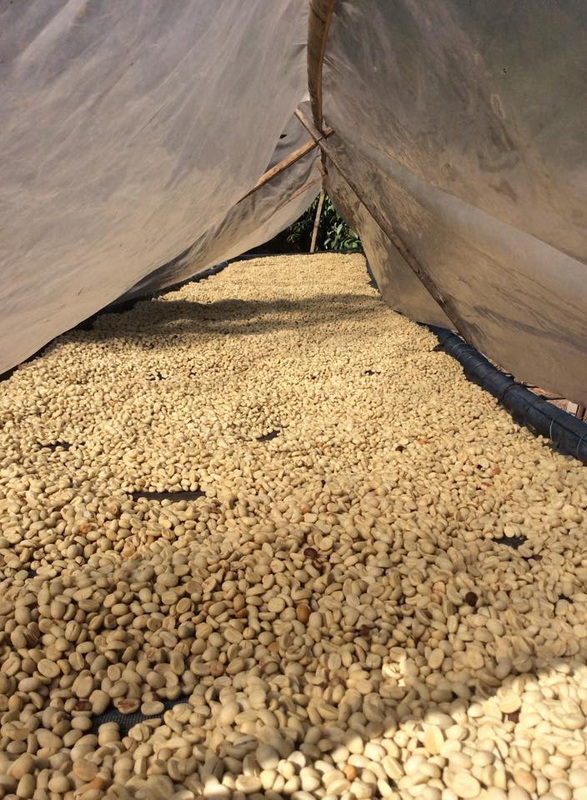
The success of Ban Khun Chang Kian as an ecotourism destination is closely tied to active community involvement. Local leaders and residents participate in tourism planning to ensure that development aligns with their values and needs. This participatory model helps maintain cultural integrity while providing economic opportunities that reduce reliance on less sustainable livelihoods.
Sustainability efforts also extend to environmental education for both residents and visitors. The village organizes workshops on waste management, water conservation, and reforestation to strengthen ecological resilience. By integrating traditional knowledge with modern conservation practices, Ban Khun Chang Kian exemplifies how indigenous communities can lead in sustainable tourism.
This community-based approach creates a positive feedback loop where tourism revenue supports education, healthcare, and infrastructure improvements. It also encourages younger generations to take pride in their heritage and participate in cultural preservation. Visitors leaving the village often express admiration for the balance achieved between welcoming tourism and protecting natural and cultural resources.
Guidelines for Respectful Visits to Khun Chang Kian
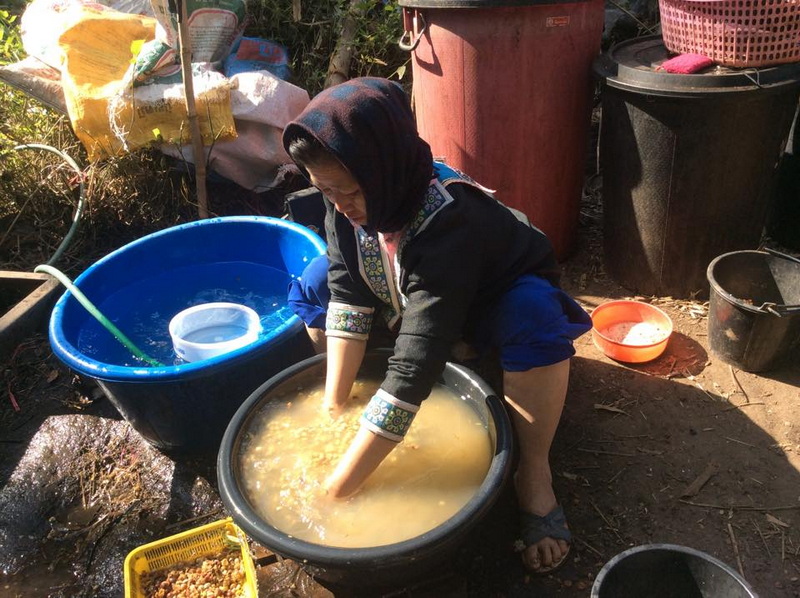
To ensure that visits to Ban Khun Chang Kian are positive for both guests and the community, travelers should follow key guidelines that honor local customs and sensitivities. First, it is essential to approach interactions with humility and an open mind, recognizing the Hmong hilltribe as equal partners in cultural exchange.
Photography should be done thoughtfully, always asking permission before taking pictures of people or ceremonies. Visitors should avoid purchasing items that exploit cultural symbols or are produced unethically. Instead, supporting authentic handicrafts directly from artisans helps sustain traditional crafts and provides fair income.
Engaging with the village’s ecotourism programs, such as guided nature walks or agricultural demonstrations, offers meaningful ways to learn and contribute. Respect for communal spaces, quiet reflection in sacred areas, and adherence to village rules reinforce trust and mutual respect. These practices help preserve the unique atmosphere of Khun Chang Kian and ensure that tourism remains a force for good.
Nearby Attractions
Wat Pha Lad
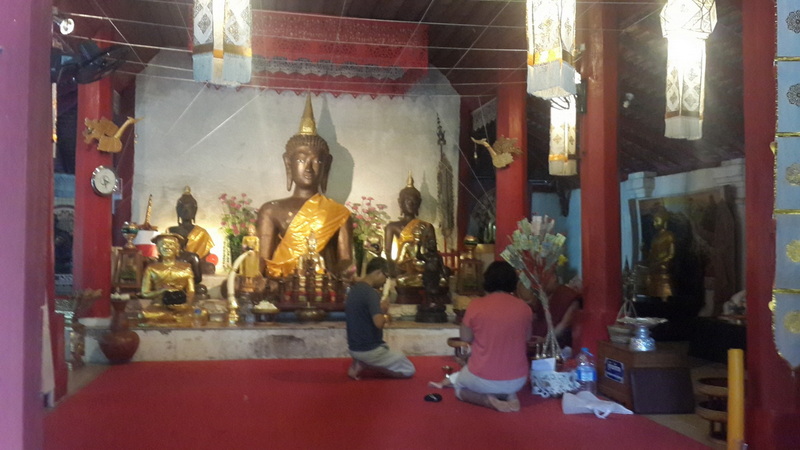
Located near Ban Khun Chang Kian, Wat Pha Lad is a serene Buddhist temple known for its peaceful atmosphere and natural surroundings. It offers visitors a glimpse into the spiritual life of the region and complements cultural visits to the village by providing context on local religious practices.
The temple is set amidst forested hills and features traditional Lanna architecture. It is a place where travelers can observe monks in meditation and participate quietly in temple ceremonies. The natural trails around Wat Pha Lad also enhance the ecotourism experience, blending cultural and environmental appreciation.
Wat Phra That Doi Suthep
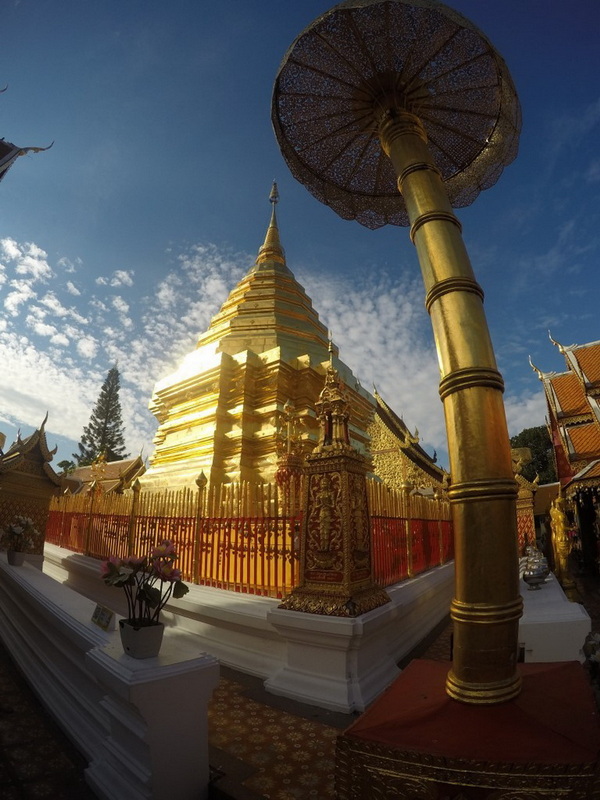
One of Chiang Mai’s most iconic temples, Wat Phra That Doi Suthep stands majestically on a mountain overlooking the city. This sacred site holds great significance for the people of Northern Thailand and is a must-visit for those exploring the cultural landscape near Ban Khun Chang Kian.
The temple complex features intricate golden stupas, ornate carvings, and panoramic views. Pilgrims and tourists alike visit to pay respects and learn about Buddhist traditions. Its proximity to Khun Chang Kian allows visitors to combine spiritual exploration with their hill tribe cultural experience, enriching their understanding of the region’s heritage.
Bringing the Experience Together
Ban Khun Chang Kian Village exemplifies how ecotourism can support indigenous communities while promoting environmental stewardship. The village’s focus on ethical hill tribe visits and respect for Hmong culture creates a meaningful experience for travelers who seek more than just sightseeing. By embracing sustainable practices and fostering genuine cultural exchange, Ban Khun Chang Kian stands as a model for responsible tourism in Chiang Mai and beyond. Visitors who approach this destination with respect and curiosity contribute to the ongoing preservation of a unique way of life and the natural beauty that surrounds it.


Comments
Post a Comment