Ban Yang Pu Toh Jungle Hike Chiang Mai and Village Attractions
Ban Yang Pu Toh Jungle Hike Chiang Mai and Village Attractions
Explore the rich jungle trails and authentic village life near Chiang Dao with natural parks and cultural highlights
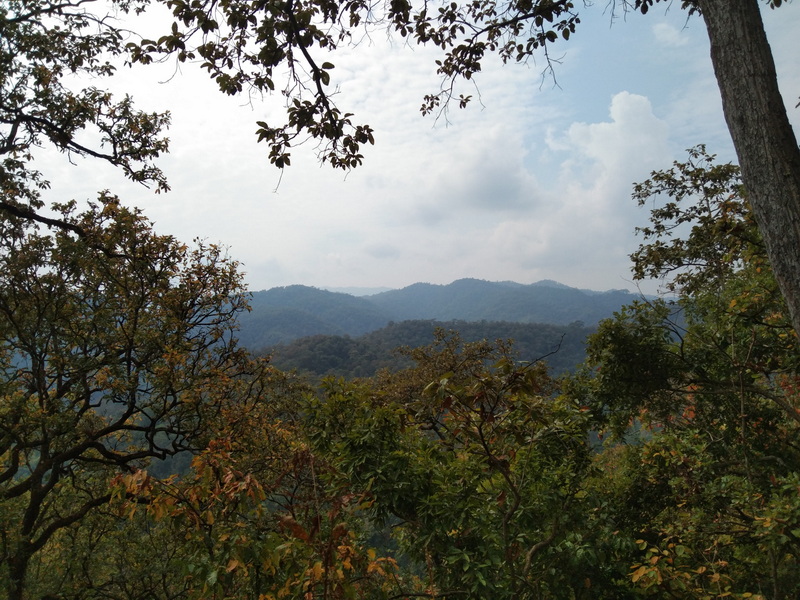
Nestled in the lush landscape of Chiang Dao Chiang Mai, Ban Yang Pu Toh offers travelers a unique blend of immersive jungle hiking and culturally rich village experiences. This destination invites nature lovers and cultural enthusiasts alike to explore winding forest trails, encounter traditional village life, and appreciate the serene environment of northern Thailand. The area’s combination of natural beauty and living culture creates an enriching experience that goes beyond typical tourist paths. Ban Yang Pu Toh Jungle Hike Chiang Mai is renowned for its verdant jungle routes that weave through dense foliage, offering glimpses of local flora and fauna. Beyond the trails, the village itself stands as a testament to authentic community life, where visitors can respectfully observe traditional ways of living and craftsmanship. Nearby, natural parks such as Tham Chiang Dao and Doi Luang Chiang Dao further enhance the adventure, providing spectacular scenery and additional opportunities for exploration. This article guides you through the main hiking routes, village attractions, and surrounding natural treasures to help you plan a meaningful visit.
Exploring the Jungle Hiking Routes Around Ban Yang Pu Toh
The jungle hiking routes near Ban Yang Pu Toh are characterized by their rich biodiversity and relatively untouched natural environment. Trails vary from gentle walks along riverbanks to more challenging ascents that reveal panoramic views of the Chiang Dao mountain range. The terrain is a mix of dense forest, bamboo groves, and shaded pathways where travelers can immerse themselves in the sounds and sights of the jungle. Travelers researching Top Things To Do In Chiang Mai can use these details when planning the trip. Travelers researching Attractions Village in Chiang Mai can use these details when planning the trip.
Hikers often begin their journey from the village itself, moving through well-marked paths that highlight the region’s ecological diversity. Along the way, it’s common to encounter a variety of bird species, insects, and native plants that reflect the area's tropical climate. The jungle paths also pass by small streams and waterfalls, providing refreshing breaks and photo opportunities.
These routes emphasize a connection with nature, encouraging travelers to move at a thoughtful pace and appreciate the subtle details of the forest environment. The trails are suitable for those with moderate fitness levels and can be adapted for half-day or full-day hikes, depending on interest and time.
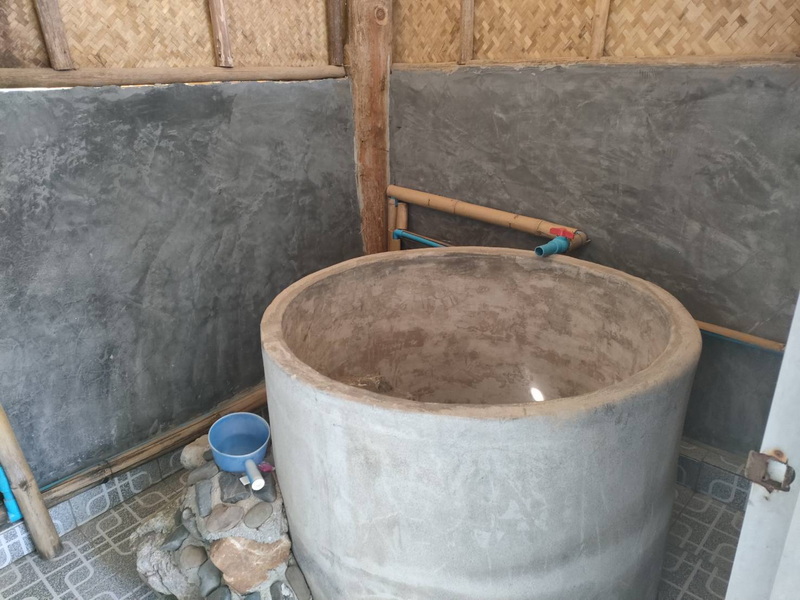
Discovering Village Attractions in Chiang Mai at Ban Yang Pu Toh
Ban Yang Pu Toh is not only a gateway to jungle trekking but also a living village where traditional culture thrives. Visitors have the opportunity to witness daily life practices that have been preserved through generations, including weaving, farming, and local culinary traditions. The village’s layout and architecture reflect the harmonious relationship between the community and its natural surroundings.
Engaging with the village offers insights into the social fabric and customs of the people, who belong to ethnic groups indigenous to the Chiang Dao region. Respectful observation and interaction allow travelers to appreciate the dignity and resilience of these communities without intruding on their privacy or cultural integrity.
Several village points serve as cultural highlights, such as communal gathering spaces, small workshops, and markets where handmade goods are displayed. These attractions provide a meaningful complement to the physical activity of hiking, enriching the overall experience with human stories and heritage.
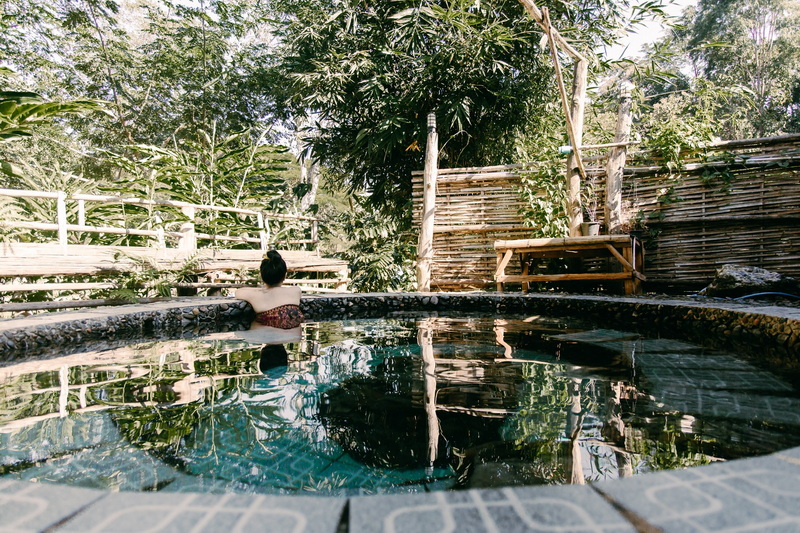
Enhancing Your Visit with Nearby Natural Parks
The proximity of Tham Chiang Dao and Doi Luang Chiang Dao national parks adds considerable value to a visit centered on Ban Yang Pu Toh. Tham Chiang Dao is famous for its extensive cave system, featuring impressive stalactites and stalagmites that attract both casual visitors and serious spelunkers. Exploring the caves offers a cool respite from the tropical heat and a chance to observe geological formations shaped over millennia.
Doi Luang Chiang Dao, the third highest peak in Thailand, provides a dramatic backdrop to the region’s natural beauty. Its protected forests and diverse wildlife create opportunities for birdwatching and nature photography. Hiking in this park is more demanding but rewards adventurers with breathtaking mountain vistas and a profound sense of wilderness.
Combining a jungle hike in Ban Yang Pu Toh with visits to these parks allows travelers to experience a wide spectrum of northern Thailand’s ecological and geological richness. Together, they form a cohesive itinerary that balances physical activity with cultural and natural discovery.
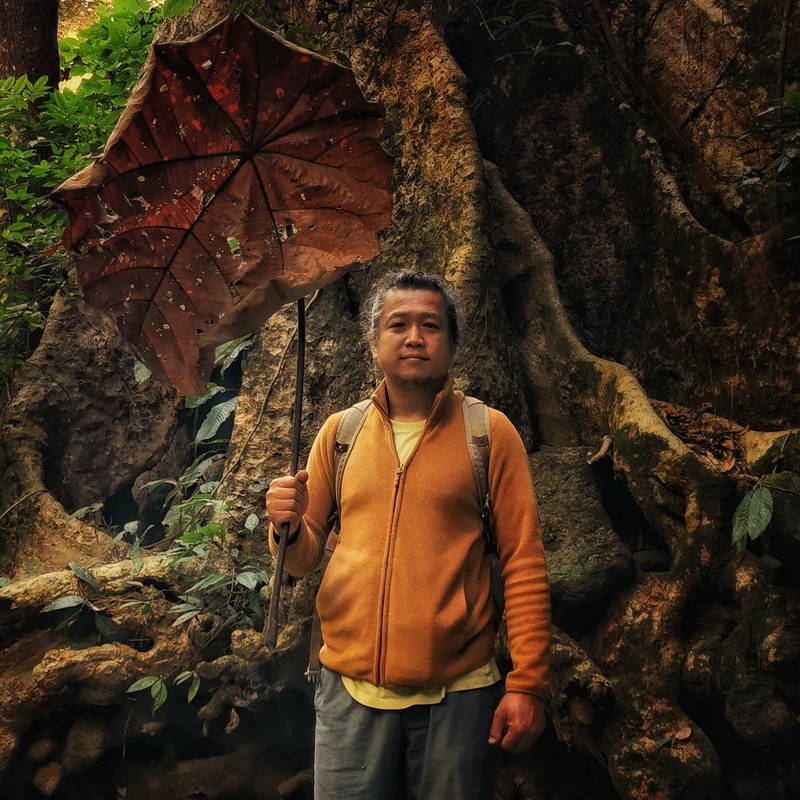
Practicing Cultural Respect and Responsible Travel in Ban Yang Pu Toh
While exploring Ban Yang Pu Toh and its surroundings, it is essential to approach the experience with cultural sensitivity and respect for local customs. The village communities maintain their traditions and ways of life with care, and visitors should avoid behaviors that might exoticize or disrupt their daily routines.
Respectful travel involves seeking consent before photographing individuals or private spaces, listening attentively to local narratives, and supporting community initiatives that promote sustainable tourism. This approach ensures that the cultural dignity of the inhabitants is preserved while allowing travelers to gain authentic insights.
Additionally, minimizing environmental impact on jungle trails and village areas helps protect the fragile ecosystems and cultural heritage that make Ban Yang Pu Toh a special destination. Responsible behavior fosters a positive exchange between visitors and hosts, enriching the experience for all parties.
Nearby Attractions
Tham Chiang Dao
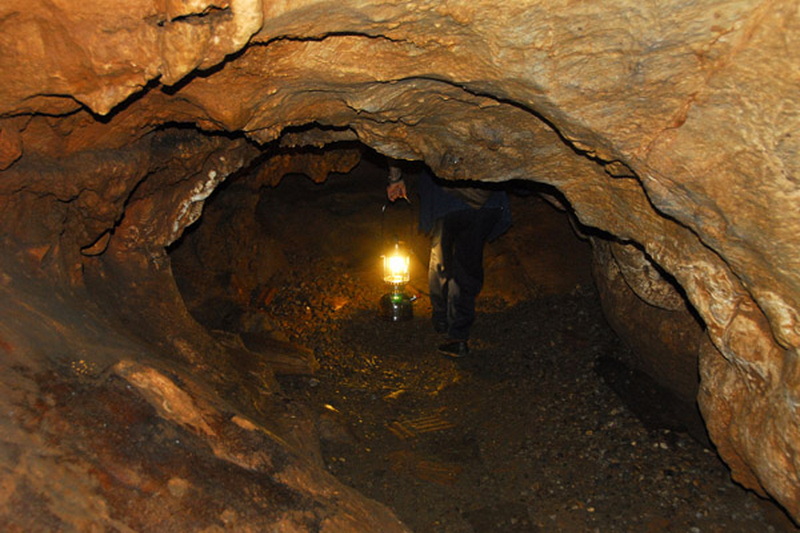
Tham Chiang Dao is a notable cave system located near Ban Yang Pu Toh, celebrated for its impressive limestone formations and subterranean chambers. The caves extend deep into the mountain, revealing natural sculptures formed over thousands of years. Visitors can explore guided sections that highlight the geological and ecological significance of the site.
The surrounding area of Tham Chiang Dao also features trails that traverse forested slopes and open viewpoints, making it a favored spot for nature enthusiasts seeking to combine cave exploration with hiking. The park’s serene environment complements the cultural and jungle experiences found in Ban Yang Pu Toh.
Doi Luang Chiang Dao
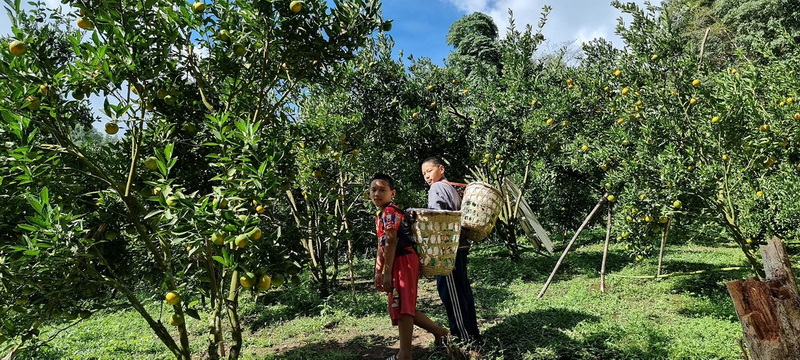
Doi Luang Chiang Dao stands as one of northern Thailand’s most prominent peaks, rising majestically above the surrounding forests. It is part of a protected national park known for its rich biodiversity, including rare bird species and diverse plant life. The mountain’s trails vary in difficulty but offer rewarding opportunities for panoramic views and wildlife observation.
The park surrounding Doi Luang Chiang Dao is an important conservation area, preserving natural habitats that have remained relatively undisturbed. Visitors can experience a profound connection with nature here, enhancing the outdoor adventure initiated by the jungle hikes and village visits at Ban Yang Pu Toh.
Why This Place Stays With You
Ban Yang Pu Toh Jungle Hike Chiang Mai presents a harmonious blend of natural exploration and authentic cultural engagement. The well-preserved jungle trails invite travelers to slow down and attune themselves to the rhythms of the forest, while the village attractions offer meaningful glimpses into a way of life deeply connected to the land. Nearby natural parks like Tham Chiang Dao and Doi Luang Chiang Dao expand this experience by adding geological wonders and mountainous grandeur to the itinerary. Approaching this journey with respect and mindfulness ensures that both the environment and local communities benefit from tourism, allowing visitors to leave with lasting impressions of northern Thailand’s rich heritage and vibrant landscapes.


Comments
Post a Comment